


Federal Government Imposes New Restrictions on Immigration Status Changes
The federal government is set to implement significant changes to immigration policy, prohibiting noncitizens from altering their immigration status unless they meet special criteria. This shift is expected to have a profound impact on thousands of individuals in Massachusetts alone, alongside millions of foreign nationals nationwide.
Implications for Adjusting Immigration Status
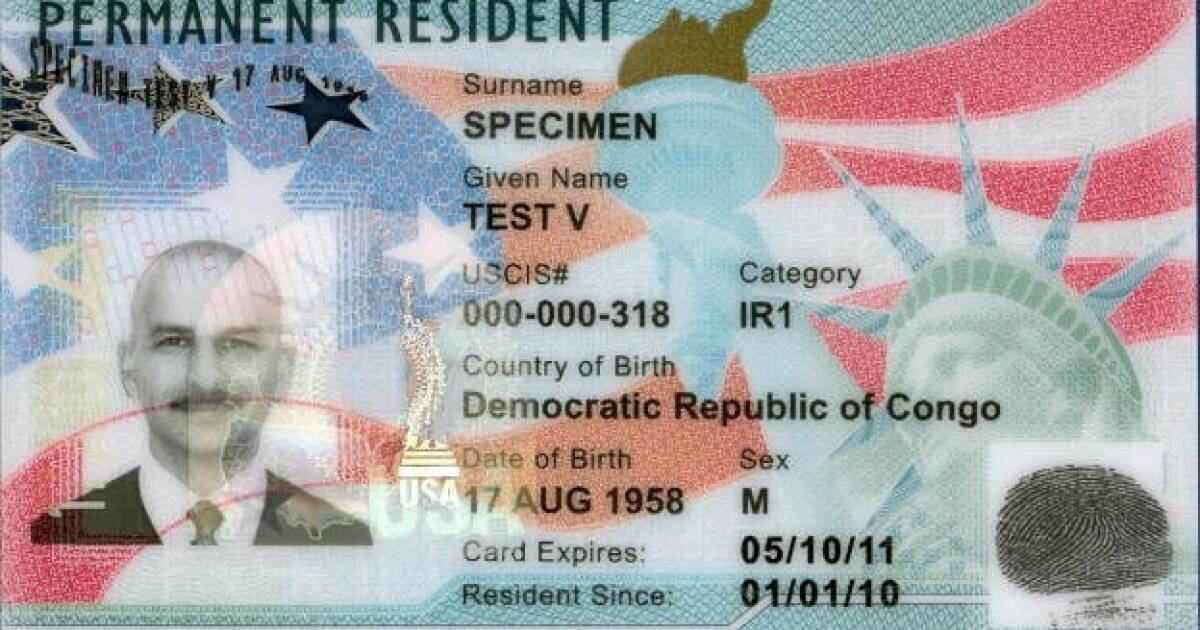
Adjustment of status allows noncitizens legally residing in the United States to transition to lawful permanent resident status, commonly known as obtaining a green card. For decades, this process has provided a pathway for individuals to adjust their status without needing to return to their home countries.
Concerns Among Immigration Attorneys
Local immigration lawyers are voicing strong concerns about the ramifications of this policy change. Robin Nice, an immigration attorney, described it as “extremely destructive,” emphasizing that it complicates an already intricate system. Todd Pomerleau, another attorney, cautioned that the U.S. Citizenship and Immigration Services (USCIS) cannot unilaterally eliminate statutory protections or effectively rewrite regulations without proper legal channels, warning that litigation may ensue.
USCIS Memo Highlights Exploitation of Current System
In a memo released last Friday, USCIS indicated that the adjustment process had been subject to exploitation. The agency underscored that the ability for green card applicants to remain in the U.S. during their applications was never meant to supplant the traditional visa application procedure from abroad. They clarified that adjusting immigration status should be viewed as an exceptional discretionary benefit.
Impact Across Various Noncitizen Groups
This policy change is projected to impact a wide range of individuals in the U.S., including students, holders of temporary protected status, and business visa recipients. Anneliese Araujo, managing attorney of a Boston immigration firm, highlighted the extensive reach of the changes, noting that those in the process of seeking adjustment may face indefinite waiting periods abroad, jeopardizing their eligibility to return home.
USCIS Defends its Policy Direction
USCIS spokesperson Zack Kahler defended the new policy, stating that it aims to realign the immigration system with its original intent. He argued that the changes would mitigate the necessity for deportation of individuals who remain in the U.S. unlawfully after being denied residency, positing that foreign nationals come to the U.S. on temporary visas for specific purposes.
Risks of Driving Migrants Underground
Critics of the policy, including Nice and Araujo, argue that it could drive migrants to operate in the shadows, compelling them to incur significant costs to renew their temporary status and work permits to avoid international travel. Araujo expressed concern that international students may alter their ambitions, shifting from temporary educational pursuits to longer-term residency aspirations within the U.S.
Call for Legal Consultation
Pomerleau advised noncitizens who are considering or are already in the adjustment process to seek guidance from immigration attorneys. He emphasized the administration’s ongoing efforts to complicate the legal landscape for compliant immigrants, expressing a belief that the government is making it increasingly difficult for individuals who seek to adhere to established laws.
