


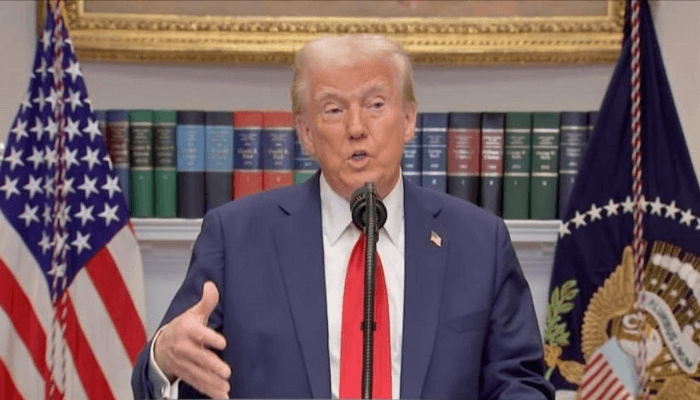
Senate Rejects Trump’s Demands
This week marked a significant turning point in the Senate’s relationship with President Donald Trump, as Republican senators pushed back against his extreme demands. Many were particularly frustrated by his insistence on allocating $1.776 billion for January 6 rioters and individuals he believes were wrongfully prosecuted. As tension reached a breaking point, they collectively decided to leave rather than acquiesce to his requests.
Shift in Congressional Dynamics
This unprecedented moment highlights a notable shift in Congress, which has often been perceived as co-opted by Republican leadership. Historically, the Republican majority has shown a tendency to align closely with the president. However, the Senate’s refusal to comply with Trump signals a growing discord within the party, disrupting its main agenda of passing a roughly $70 billion budget for immigration and deportation initiatives through the remainder of Trump’s term, which runs until 2029. The vote has been postponed until Congress reconvenes next month, pushing it past Trump’s June 1 deadline.
Trump’s Control in Question
When pressed about whether he was losing his grip on the Senate, Trump remained nonchalant, stating, “I really don’t know.” His apparent lack of concern stands in stark contrast to the weeks leading up to this moment. Following his resounding victory in the midterm primary, where he defeated established figures like Republican Senator Bill Cassidy and endorsed challengers such as against Senator John Cornyn, it seemed that Trump was firmly in control.
House Republicans Express Dissatisfaction
However, it isn’t just the Senate that is experiencing upheaval. In a notable bipartisan move, a coalition of Republicans in the House expressed support for a war powers resolution aimed at limiting Trump’s military actions against Iran. House Speaker Mike Johnson chose to delay the vote, seeking to avoid a clash with the president, showcasing the rising tensions within the Republican ranks.
Political Capital at Risk
Despite winning primary contests with his chosen candidates, many of whom remain largely untested ahead of the general election, Trump’s stagnant approval ratings pose a pronounced risk to his political capital. This stagnation threatens to alienate potential allies and jeopardizes the Republican Party’s efforts to rally voter support ahead of upcoming elections.
Contentious Funding Proposals
Trump’s recent proposal to allocate approximately $1.8 billion in “anti-weaponization” funds for individuals he believes have been wrongfully targeted lacked prior consultation and triggered outrage among senators. His demands for $1 billion for security enhancements at the new White House ballroom only intensified frustration, illustrating a disconnect between his administration and Senate Republicans.
Senatorial Reactions to Trump’s Proposals
In response to Trump’s controversial funding proposals, Senator Thom Tillis expressed incredulity, questioning the rationale behind providing reparations to individuals convicted in court. Tillis criticized the endeavor as “an act of stilted stupidity.” In retaliation, Trump accused Tillis of undermining the Republican Party, further escalating tensions. Former Senate Majority Leader Mitch McConnell echoed these concerns, denouncing the funding requests as “stupid and morally wrong.”
Underlying Political Calculations
As the political landscape shifts, the ramifications of Trump’s demands are becoming increasingly clear. Senate Majority Leader John Thune emphasized that the current political atmosphere complicates the dynamics surrounding Trump’s aggressive tactics. Following a closed-door meeting with Acting Attorney General Todd Blanche over the contentious compensation fund, senators left without a resolution, indicating significant dissatisfaction within the ranks.
