


The Role of Mindset in Nigeria’s Nation-Building Challenges
Nigeria’s journey toward nation-building has often been defined by the mindsets that influence its socio-political landscape. Throughout history, the attitudes and beliefs of its leaders have differentiated between poverty and prosperity, as well as peace and progress. Over the past three decades, the political elite in Nigeria have frequently demonstrated a tendency to undervalue knowledge and intellectual discourse, leading to a decline in the quality of political engagement and governance.
Reflecting on Leadership Through the Lens of Experience
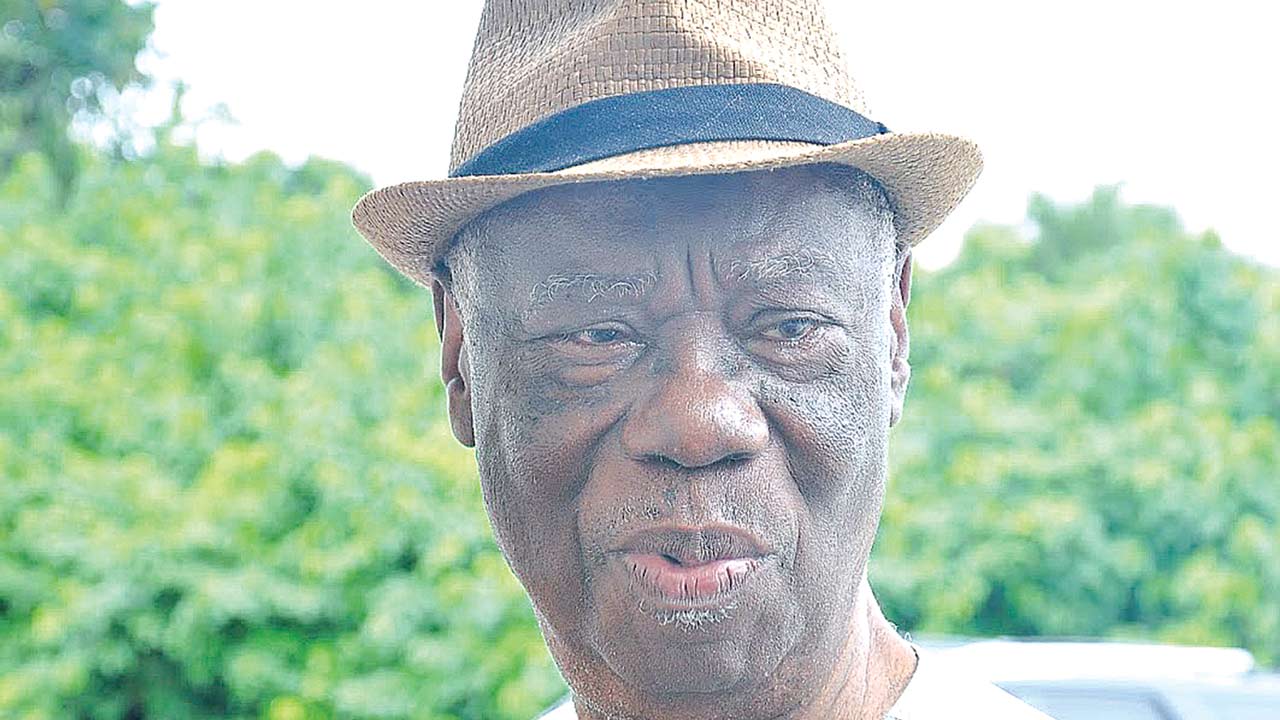
As he approaches his 90th birthday, Dr. Uma Eleas, a prominent thinker and politician, is set to release a new book that delves into the complexities of leadership in Nigeria. To celebrate this milestone, a colloquium on the importance of ideas, think tanks, and public intellectuals in nation-building has been organized. Dr. Eleas was a pioneer of think tanks in Nigeria, establishing the National Institute for Policy Studies and Strategic Studies (NIPSS) during his time in the mid-1970s Cabinet Office, which underscores his enduring influence on policy development.
Comparative Reflection: Historical Ideation vs. Modern Reality
The question arises: Why has the intellectual rigor that characterized the political atmosphere of the 1950s and 1960s fallen away? Figures like Dr. Eleas and Dr. Patrick Dele Cole made significant contributions during the 1970s, yet contemporary power brokers seem to favor hardliners, often choosing to surround themselves with entertainers and sycophants instead of thinkers. This shift raises important questions about the role of intellectual discourse in shaping effective governance.
The Diminishing Influence of Intellectuals in Governance
The erosion of intellectual engagement within Nigeria’s political landscape since 1999 reveals a troubling trend. This anti-intellectual sentiment is often expressed in dismissive remarks about academia, suggesting that theoretical discussions are disconnected from the realities citizens face. However, the foundation of meaningful governance is rooted in illuminating the relationships between diverse societal phenomena—an endeavor that begins with rigorous intellectual inquiry.
The Vital Role of Think Tanks and Public Intellectuals
While think tanks have been integral in generating and disseminating knowledge, public intellectuals play a crucial role in ensuring the accessibility and relevance of this knowledge to the wider populace. To exemplify this approach, Dr. Eleas often reflects on his own experience launching Patito’s Gang, a television policy talk show that served to elevate public discourse around governance. This experience illuminated the impact one individual can have on fostering informed citizenship—a critical component of a healthy democracy.
Challenging Illusions and Sparking Civic Engagement
In the face of systemic failures, Dr. Eleas emphasizes the responsibility of educated citizens to engage actively in governance. His writings argue that the complicity of the educated middle class should not be overlooked, as their silence contributes to the dismantling of Nigeria’s standing in the global arena. Instances such as the #EndSARS protests, which highlighted issues of police brutality and governance, exemplify the urgent need for civic engagement and political accountability in the country.
Reimagining Political Accountability and Governance
As Nigeria grapples with governance challenges, Dr. Eleas advocates for a reevaluation of political compensation, suggesting that legislators should not earn more than top civil servants. He aligns this call with historical perspectives that emphasize the importance of equitable resource allocation. His insights also suggest that public perception and social consequences should hold corrupt politicians accountable, echoing cultural practices from Nigeria’s past that shunned malfeasance.
Celebrating a Legacy of Thought Leadership
Dr. Uma Eleas’s contributions serve as a testament to the influence of intellectual inquiry on nation-building. His latest work, “Nigeria as I See It,” critically examines the failures of leadership and structural barriers that hinder Nigeria’s growth potential. This book launch at the CVL LWT Tribute Colloquium on November 19, 2020, aims to spark a dialogue around the importance of policy and intellectual engagement in shaping a brighter future for Nigeria. In celebrating Eleas’s legacy, we are reminded of the essential role thinkers play in the ongoing quest for a just and prosperous society.
