


Oil Prices Decline Amid US-Iran Diplomacy
Oil prices fell on Monday following a pause in hostilities between the United States and Iran, allowing for potential diplomatic discussions. This cessation comes after 13 nights of intensified attacks that threatened to undermine peace agreements and further impact the global economy.
Market Reactions to Diplomatic Efforts
Brent crude, the international benchmark, dipped below $90 per barrel, while U.S. crude settled around $83, marking a decrease of approximately 7%. Meanwhile, global markets saw a general uptick, with U.S. stock futures experiencing significant gains.
Rising Concerns Over Regional Stability
The renewed optimism surrounding oil prices coincides with escalating fears of a return to full-scale war in the Middle East. The strategic Strait of Hormuz, vital for global oil shipments, has seen tensions rise, now extending to the Red Sea, another key maritime route.
Strategic Military Considerations
Recently, President Donald Trump indicated a possible “major strike” to disrupt Iran’s influence over the Strait. However, both nations have refrained from military actions for three consecutive days, suggesting a possible strategic shift.
Jordan’s Defense Actions
In related developments, Jordan, a significant U.S. ally, reported intercepting two drones early Monday morning. The origins of the drones remain unclear, contributing to the region’s overall uncertainty.
US Ambassador’s Remarks on Ongoing Talks
While engaging in diplomatic discourse, U.S. Ambassador to the United Nations, Mike Walz, provided insights into the failed military strike. He noted that the decision was influenced by ongoing talks, suggesting an effort to facilitate communication despite internal conflicts within Iran.
Iran’s Position on Diplomacy and Conflict
While Iran has expressed limited optimism regarding peace negotiations, Foreign Ministry spokesman Esmail Bagay commented on the current situation. He emphasized that the Iranian government will not allow the U.S. to dictate terms of war or peace but remains open to using diplomacy when beneficial. However, he maintained that the Strait of Hormuz is currently “closed.”
Shipping and Market Challenges Continues
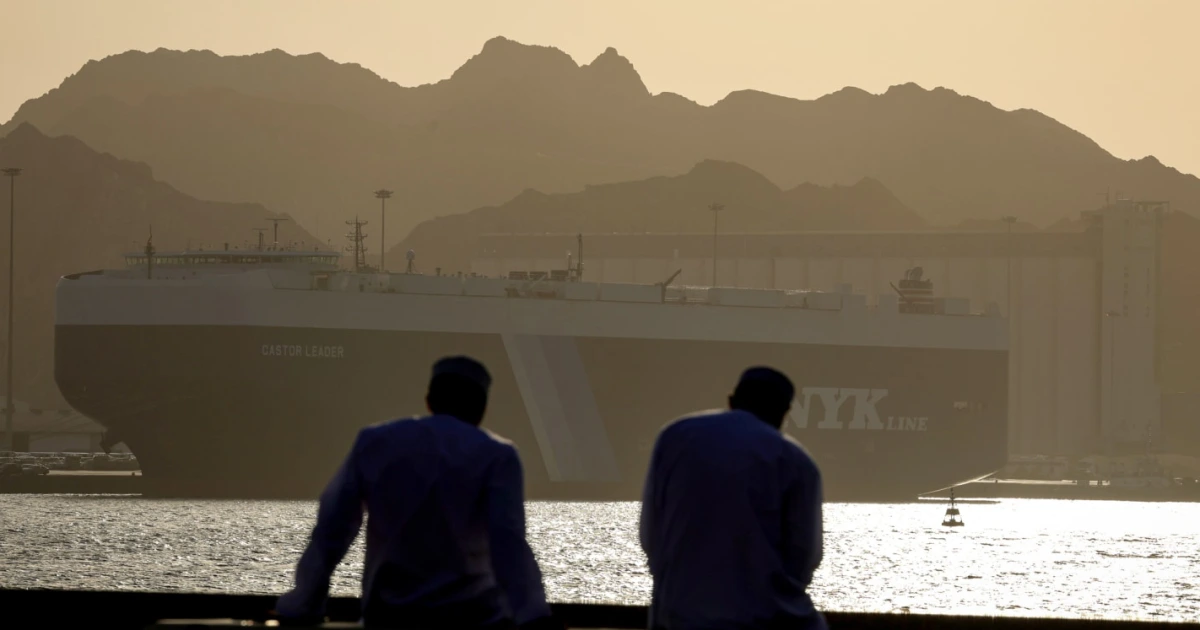
In recent days, oil prices had surged past $100 a barrel due to a de facto blockade of Hormuz and disruptions from Iranian-backed Houthi attacks in the Red Sea. Vessel traffic through both the Strait of Hormuz and Bab el-Mandeb was reported to be significantly reduced, raising concerns about global supply stability.
Wider Implications of Ongoing Conflicts
As tensions escalate, reports indicate a decrease in shipping activity, with fewer than ten cargo ships traversing Hormuz over the weekend. This decline reflects the broader market implications, as previously, around 20% of the world’s oil transit occurred through this crucial waterway. Analysts suggest that any improvement in military engagements is yet to guarantee a return to normal oil supply levels.
Geopolitical Escalation in Shipping Conflicts
Additionally, the geopolitical landscape is complicated by renewed shipping tensions resulting from the Russia-Ukraine conflict. Iran has accused Ukraine of attacking one of its merchant vessels in the Caspian Sea, resulting in casualties and increasing friction between the two nations, which could further disrupt regional stability.
