


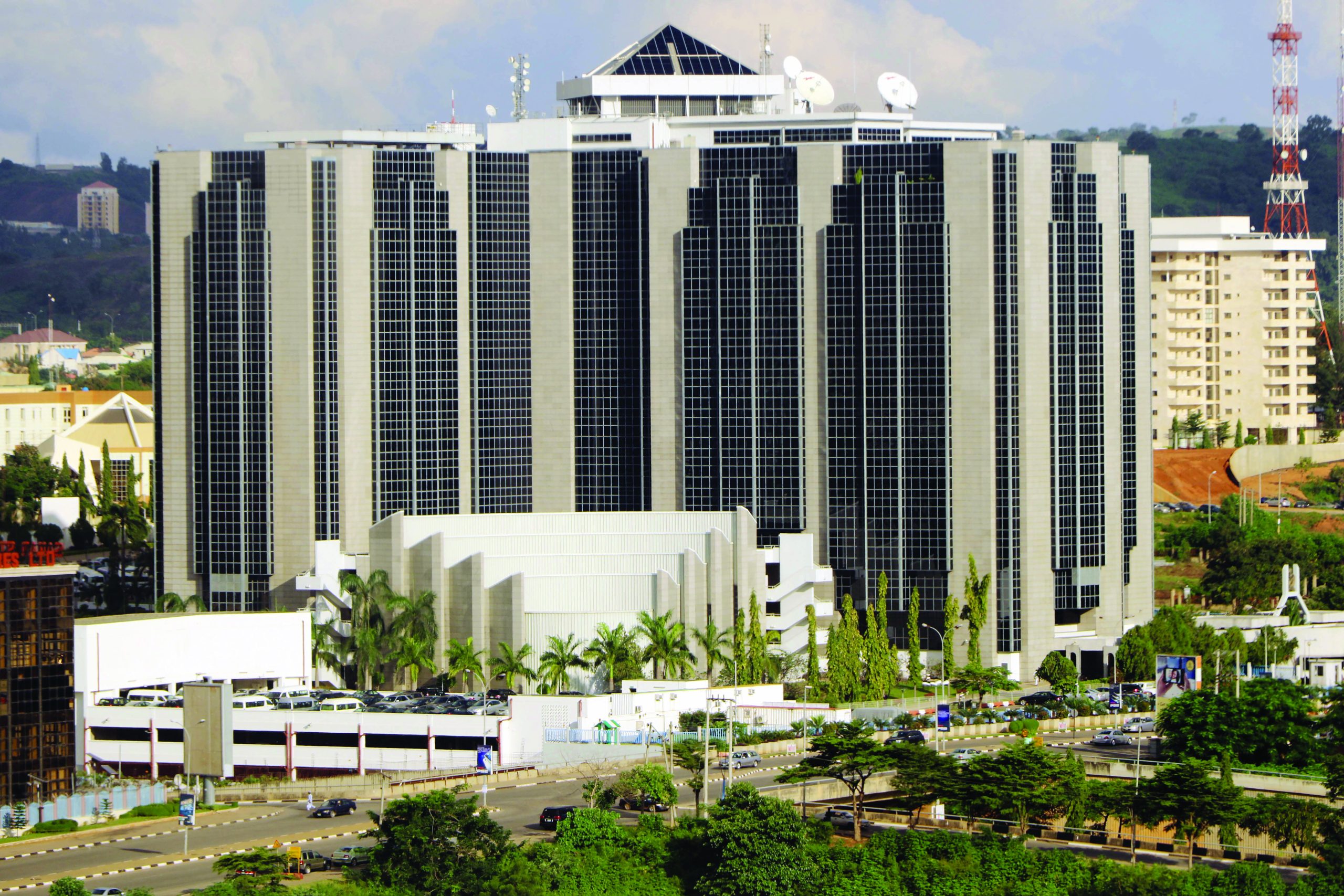
CBN’s soft interest rate suspension is driven by growing concerns about inflation, political spending and economic stability, writes Festus Akanbi
Central Bank of Nigeria Maintains Interest Rate Amid Economic Challenges
The Central Bank of Nigeria (CBN) has decided to keep the Monetary Policy Rate (MPR) at 26.5%, a move that financial markets found predictable. However, the underlying economic landscape is notably more precarious. Nigeria is entering a politically charged phase, marked by a looming increase in campaign-related spending ahead of next year’s general elections. Concurrently, inflationary pressures, vulnerabilities in exchange rates, and global geopolitical tensions continue to test the country’s economic resilience.
CBN’s Focus on Inflation Control
By opting not to change interest rates following a modest 50 basis point reduction in February, the Monetary Policy Committee (MPC) has signaled its prioritization of inflation control and exchange rate stabilization, despite the challenges faced by businesses grappling with high borrowing costs. CBN Governor Olayemi Cardoso justified this decision, emphasizing that recent inflationary trends have been largely influenced by external factors, particularly escalating energy prices linked to geopolitical tensions in the Middle East.
Key Economic Indicators Signal Challenges Ahead
The current economic indicators present a sobering picture for policymakers. As of April 2026, Nigeria’s headline inflation rate rose to 15.69%, up from 15.38% in March, with food inflation climbing sharply to 16.06% driven by rising transportation and logistics costs. Interestingly, the core inflation rate saw a slight decline to 15.86%, indicating a potential easing of some underlying price pressures.
Political Spending Poses Additional Risks
Beyond the monetary statistics, the political landscape introduces significant challenges. Historically, Nigerian electoral cycles have led to heightened liquidity in the economy due to escalated campaign spending, political mobilization, and fiscal expenditures. Economists caution that this heightened spending could further complicate the CBN’s efforts to combat inflation in the upcoming months.
Global Context and Its Implications for Nigeria
The global economic context remains delicate, with oil prices fluctuating amid renewed tensions between Iran, Israel, and the United States. Supply chain disruptions are driving import inflation in emerging markets. Although Nigeria stands to benefit from elevated oil prices, it remains susceptible due to its reliance on imported refined products, industrial inputs, and food items, which poses an ongoing challenge for the CBN.
Stability Amidst High Borrowing Costs
For investors, the decision to hold interest rates steady signals the CBN’s commitment to maintaining macroeconomic stability. Following the MPC announcement, the naira demonstrated relative stability, while yields in the Nigerian bond market remain attractive to foreign portfolio investors seeking opportunities in frontier markets. However, manufacturers and small businesses continue to face significant hurdles as high commercial loan interest rates hinder access to credit, placing added strain on an already challenged productive sector.
Monetary Policy’s Limitations in Addressing Structural Issues
According to Muda Yusuf, CEO of the Center for the Promotion of Private Enterprise, the current inflation is not solely a result of excess liquidity but is driven by structural and supply-side issues. He argues that tightening monetary policy will not resolve broken supply chains, security challenges, or logistical bottlenecks. Many businesses are still grappling with elevated electricity and diesel prices, along with uncertainties surrounding exchange rates and consumer purchasing power.
Challenges of Managing Political and Economic Stability
As political consultations and campaign strategies ramp up in preparation for the 2027 elections, economists anticipate a surge in fiscal inputs, potentially increasing overall liquidity in the economy. This trend tends to stimulate short-term consumption without yielding corresponding productivity gains, potentially exacerbating inflation. Balancing these competing demands presents a considerable dilemma for the CBN, as further rate hikes could hinder business growth while easing policies too soon might destabilize the exchange rate and amplify inflationary pressures.
The MPC’s current strategy reflects prudence amidst uncertainty. By maintaining stability and focusing on exchange rate controls, the CBN aims to navigate these turbulent waters. A successful banking sector recapitalization program further contributes to this stabilization effort, with 33 banks recently meeting new capital requirements, thereby enhancing the resilience of Nigeria’s financial landscape.
However, analysts emphasize that solely relying on monetary measures will not suffice to bring about enduring stability, particularly in a politically charged environment. Fiscal discipline must accompany any monetary policy to ensure that government spending translates into productivity increases, safeguarding the progress achieved thus far. Nigeria’s GDP growth rate of 4% in Q4 2025 appears promising, bolstered by growth in the non-oil sector and refining activities. Still, challenges remain due to persistent structural inefficiencies and unclear consumer purchasing power.
What stands out from the MPC’s recent decisions is a cautious yet strategic approach to monetary policy, as the central bank seeks to balance inflation control, currency stability, and economic activity. The ability of the CBN to maintain this equilibrium in the face of rising political spending and global uncertainties will be key to navigating the next phase of Nigeria’s economic landscape.
