


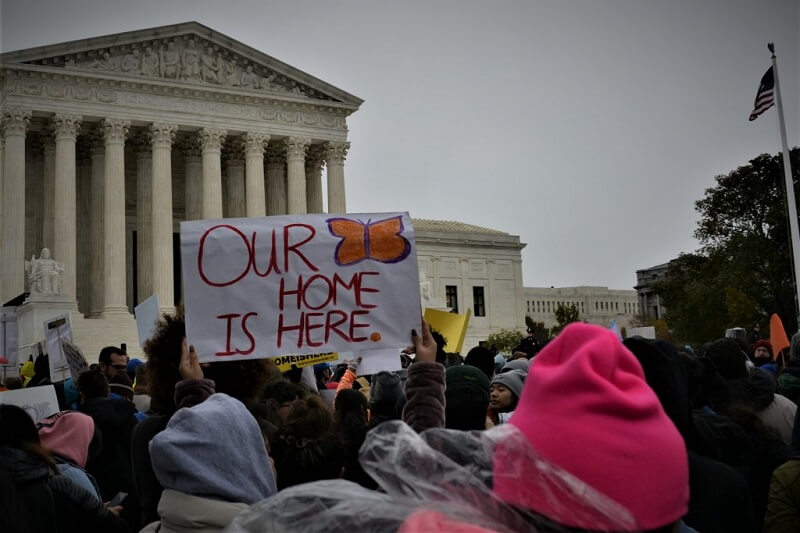
Uncertainty Looms for DACA Recipients as Program Approaches First Anniversary
The first anniversary of the Deferred Action for Childhood Arrivals (DACA) program is marked by uncertainty for its recipients. This initiative, once heralded as a model of immigrant integration, now finds many beneficiaries facing the alarming prospect of downward mobility as they grapple with loss of DACA protections.
Experiences of DACA Recipients in the Workforce
Giani, a public health expert with a degree from a renowned Ivy League institution, exemplifies the struggles faced by DACA recipients. Having contributed significantly to COVID-19 control efforts and community health initiatives in the Washington, D.C. area, Giani’s career trajectory was abruptly disrupted when delays in DACA renewal led to an abrupt unemployment.
Challenges with DACA Renewal Process
Giani submitted DACA renewal documents within the recommended time frame well before his work permit expired, adhering to all requirements. “This time, however, I was left in limbo,” he recalls, explaining that he waited anxiously for months before ultimately being notified that his work permit had expired, leading to the immediate termination of his university position.
Broader Impacts of DACA Delays
Giani’s situation is not unique; over 500,000 DACA recipients across the country are experiencing similar delays. The program, designed to provide stability for undocumented immigrant youth since its inception in 2012, is now marred by legal challenges and uncertainty following attempts to end it spearheaded by the previous administration.
Consequences of Legal Uncertainty
As legal proceedings surrounding DACA continue, recipients are left navigating life with their protections increasingly jeopardized. Now averaging around 31 years old, many of these individuals are focused on building careers and families, yet face challenges that threaten their stability, including potential loss of homes, depleted savings, and mounting debts.
Impact on Mixed-Status Families
These upheavals not only affect DACA recipients but also resonate within mixed-status families, impacting approximately 240,000 U.S. citizen children with at least one DACA beneficiary parent. The psychological toll associated with these developments is profound, deepening anxiety and uncertainty among affected families.
The Economic Case for DACA Recipients
Despite the challenges they face, DACA recipients contribute significantly to the U.S. economy, generating tens of billions of dollars and paying an estimated $40 billion in taxes. The cessation of DACA could lead to an estimated economic loss of $1 trillion, disrupting industries and pushing many families into poverty—as well as sacrificing the invaluable community contributions these individuals make daily.
Advocating for Permanent Solutions
While the Trump administration’s actions appear designed to create a hostile environment for DACA recipients, public sentiment largely favors pathways to citizenship for these individuals. Recently, discussions around bipartisan measures like the DREAM Act have gained momentum, emphasizing the need for lasting legislative solutions that extend beyond temporary protections.
