


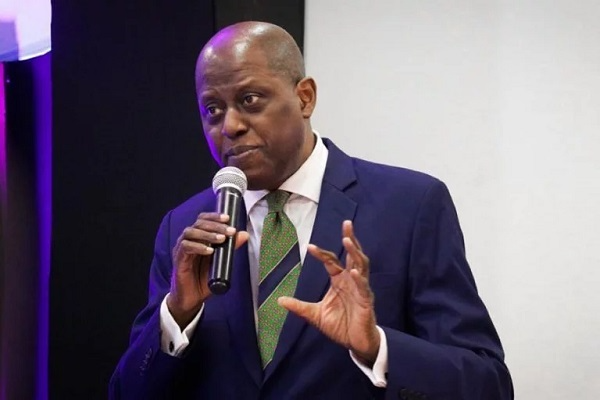
Central Bank of Nigeria Marks Shift to Orthodox Monetary Policy
Governor Olayemi Cardoso of the Central Bank of Nigeria (CBN) announced that the monetary authority will not revert to interventionist measures. He emphasized that ongoing reforms are successfully restoring confidence, enhancing price stability, and reinforcing trust in Africa’s most populous economy.
Commitment to Transparency and Evidence-Based Decision-Making
During the inaugural session of the Monetary Policy Committee (MPC) workshop in Abuja, Cardoso highlighted the bank’s commitment to orthodox monetary policy following a period marked by weakened institutional autonomy and policy distortions. He stated, “We are firmly committed to sound monetary policy, transparency and evidence-based decision-making.” These changes, he noted, are vital for rebuilding confidence in the Nigerian economy while ensuring macroeconomic stability.
Addressing Past Challenges in Monetary Policy
Cardoso pointed out that the bank had inherited a system that undermined the credibility of its monetary policy. He noted issues like indistinct boundaries between fiscal and monetary roles, unclear exchange controls, and a reliance on unconventional tools that diluted policy effectiveness. “The previous government’s approach led to diminished policy credibility and limited the impact of our interventions,” he stated, attributing this to the lack of transparency and autonomy.
Signs of Improvement in Economic Indicators
He acknowledged that the difficult environment had contributed to persistent inflation, exchange rate volatility, and declining investor confidence. However, he reported that recent policy initiatives, including tighter liquidity management and improved communication practices, are beginning to reverse these trends.
Renewed Focus on Traditional Instruments
Cardoso explained that enhancements to forward guidance and liquidity operations are crucial for stabilizing market expectations. He pointed out that the policy framework has shifted back to traditional instruments, stating that policy interest rates now serve as essential signaling tools. Furthermore, increased transparency in the foreign exchange market has fostered better price discovery and reduced volatility, aiding in the gradual stabilization of the naira.
Progress on Inflation and Economic Resilience
Despite still elevated levels of inflation, Cardoso noted signs of moderation and emphasized that enhanced policy coordination has bolstered the economy’s resilience against external shocks, such as recent geopolitical tensions. He underscored the central bank’s focus on strengthening its internal governance structures, aiming for decision-making processes that are increasingly influenced by data analysis.
Aiming for an Enhanced Inflation Targeting Framework
Looking to the future, Cardoso indicated that these institutional reforms will pave the way for a clearer framework aimed at inflation targeting, requiring improved technical capabilities and stronger inter-agency collaboration. “We are working to enrich our decision-making via data-driven analysis and structured deliberations,” he remarked, emphasizing the importance of adapting to changing economic conditions.
He also pointed to the recent banking sector recapitalization as an instance of improved regulatory coordination and supervision within the financial system. Cardoso reiterated the central bank’s resistance to external pressures to reinstate broad intervention programs, which he claimed have distorted the institution’s credibility in the past. The restoration of the CBN’s credibility, he asserted, is mainly attributed to a disciplined reliance on traditional policy instruments. Ultimately, he expressed that the bank is committed to maintaining transparency, evidence-based policymaking, and institutional strengthening as necessary components for achieving macroeconomic stability and fostering long-term growth.
Workshop Aims to Deepen Technical Capacity in Monetary Policy
Earlier in the event, Deputy Governor for Economic Policy Mohammad Sani Abdullahi discussed the workshop’s goal of enhancing technical capacity and improving policy formulation through structured dialogue. He emphasized the necessity of diverse perspectives for the efficacy of monetary policy, particularly within the complex global landscape influenced by shifting domestic conditions and external shocks. Abdullahi outlined that the program would concentrate on policy transmission mechanisms, financial market development, analytical frameworks, and institutional processes, all tailored to meet Nigeria’s unique economic circumstances. He expressed confidence that insights from the workshop will contribute to furthering ongoing reforms and facilitate more effective implementation of monetary policy throughout the central bank.
