


Africa’s Digital Transformation at a Crossroads
Africa’s digital transformation is entering a pivotal phase, with expanding connectivity and the growing prevalence of new technologies. However, significant structural challenges persist, such as inconsistent access, high costs, inadequate infrastructure, policy gaps, and concerns around inclusivity and sustainability. These issues, once viewed as peripheral, are now integral to understanding the continent’s digital future, necessitating ongoing academic and policy discourse. Any substantial discussion regarding this transformation must transcend celebratory narratives, delving into the underlying realities that shape Africa’s digital landscape.
The pace of Africa’s digital shift is unmistakable and accelerating. Nations like South Africa, Kenya, Nigeria, and Ghana are implementing ambitious national strategies, while investments in artificial intelligence, cloud computing, and digital infrastructure continue to rise. However, this progress does not adhere to a linear trajectory defined by global standards. Instead, it tells a grounded story of adaptation, local innovation, diaspora contributions, and heightened political engagement. Across various sectors, digital tools are redefining governance, market dynamics, and everyday life, with ongoing efforts to broaden access and mitigate misinformation illustrating the continent’s active role in shaping its technological path.
Indeed, the urgency of this digital transformation is greater than it might appear. There is a pressing need for Africa’s digital evolution to be quicker, more affordable, inclusive, and effective. As the continent transitions from policy formulation to practical execution, it is crucial to examine how this transformation is unfolding. Understanding what succeeds and what falters requires in-depth, context-specific analysis rather than sweeping generalizations. Given the tendency to view Africa through overly optimistic or critical lenses, developing evidence-based policy tools becomes essential—focusing on grassroots perspectives is vital.
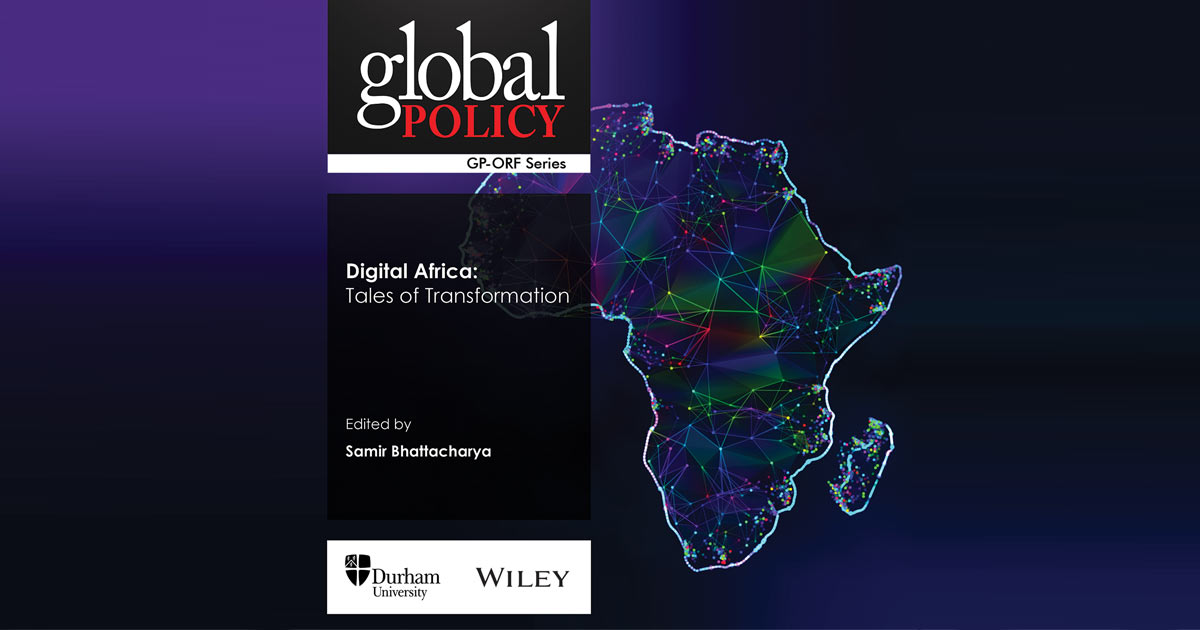
The book “Digital Africa: A Story of Transformation” provides a balanced, evidence-driven perspective by identifying both opportunities and risks associated with the continent’s digital evolution. By compiling evidence-based experiences, case studies, and practitioners’ insights, it aims to illuminate the complexities of Africa’s digital journey, underscoring real challenges and pathways toward more inclusive digital development. This volume builds on the 2024 compendium “Driving Africa’s Digital Transformation: Policy Landscape,” which examined the broader policy landscape, shifting the focus to grassroots realities.
Featuring 12 essays, this volume covers case studies from Egypt, Ethiopia, Kenya, Rwanda, Tanzania, Nigeria, Zimbabwe, and the African Union. Each contribution highlights how political, legal, and social contexts influence the outcomes of digital transformation, offering rich, contextual insights into the continent’s digital landscape.
Chapter 1 explores Egypt’s digital evolution, tracing the journey from initial e-government initiatives to a comprehensive “Digital Egypt” strategy. Author Hebatala Adam highlights the key drivers, measurable outcomes, and sectoral impacts, while providing a balanced assessment of ongoing challenges and proposing future policy directions. Following this, Wegene Mengistu presents Ethiopia’s digital transformation, examining the “Digital Ethiopia 2025” strategy and the resulting reforms that liberalized the digital financial ecosystem. Through sectoral data and institutional analysis, this essay illustrates how regulatory changes and infrastructure expansion are enhancing financial inclusion and economic modernization.
In an analysis of Zimbabwe, Sizo Nkala connects the country’s digital adoption to broader economic modernization goals under the Vision 2030 policy. By combining data-driven analysis with policy review, this essay highlights advancements in connectivity while addressing persistent gaps in access and affordability. Similarly, Jason Nkyabonaki’s essay on Tanzania looks at grassroots governance, examining how digital tools like WhatsApp are reshaping public spending accountability. Using empirical data within the institutional context, he discusses how digitalization can enhance citizen participation in areas where traditional mechanisms have struggled.
In a second case study on Tanzania, Ezra Nnko describes how digital tools are transforming agriculture, detailing how specific platforms and data systems enhance productivity and policy planning. Highlighting farmer-level impacts, this essay underscores how Tanzania’s digital transformation addresses pressing challenges in rural livelihoods. On the Kenyan front, Anasia Nancy Ononda examines how youth leverage new media and social platforms to cultivate digital literacy outside traditional systems. Here, digital transformation emerges as a user-driven process, framed by language, access, and informal learning habits, emphasizing the role of digital tools as vehicles for empowerment and self-directed skill development.
In Nigeria, Aluko Ahmad’s essay underscores how MediaTek’s adoption in elections has bolstered transparency and public participation, though it also has introduced challenges like misinformation. Abayomi Odukudu further explores gender inclusion, scrutinizing how national policies and programs impact women’s participation in the digital economy. Dorcas Tsebee presents a legal perspective, examining how the emergence of digital photography and data protection frameworks reshape image rights in Africa, drawing comparative insights from Kenya and Nigeria. Meanwhile, Anthony Rubanda highlights how grassroots initiatives in Kenya and Rwanda interact with national policies, emphasizing the importance of community involvement in successful digital transformation.
Boinmale Jean-Baptiste Sebgo concludes the volume by analyzing the African Union’s digital transformation strategy against the realities of fragmentation, unequal capacities, and funding constraints. He advocates for a more adaptive, grassroots-focused approach to effectively implement continental policies. Finally, Harun Abubakar Siddique discusses the critical role of internet reliability in the success of the African Continental Free Trade Area’s digital trade protocols, linking digital connectivity to broader economic outcomes and stressing the need for resilient digital infrastructure to facilitate continental integration.
