


Surge in Violence Against Malawians Highlights Tensions in Johannesburg’s Informal Settlements
In Thembelile, an informal settlement south of Johannesburg, thousands of makeshift homes line dirt roads, where Malawians have coexisted peacefully with South Africans for years. However, recent weeks have seen this harmony shattered by a wave of violent crime, starting with an armed robbery on June 29. Abraheem Hussein, a 60-year-old Malawian resident since 2000, was brutally assaulted in his home by a group of men who stole his belongings.
Community Under Siege
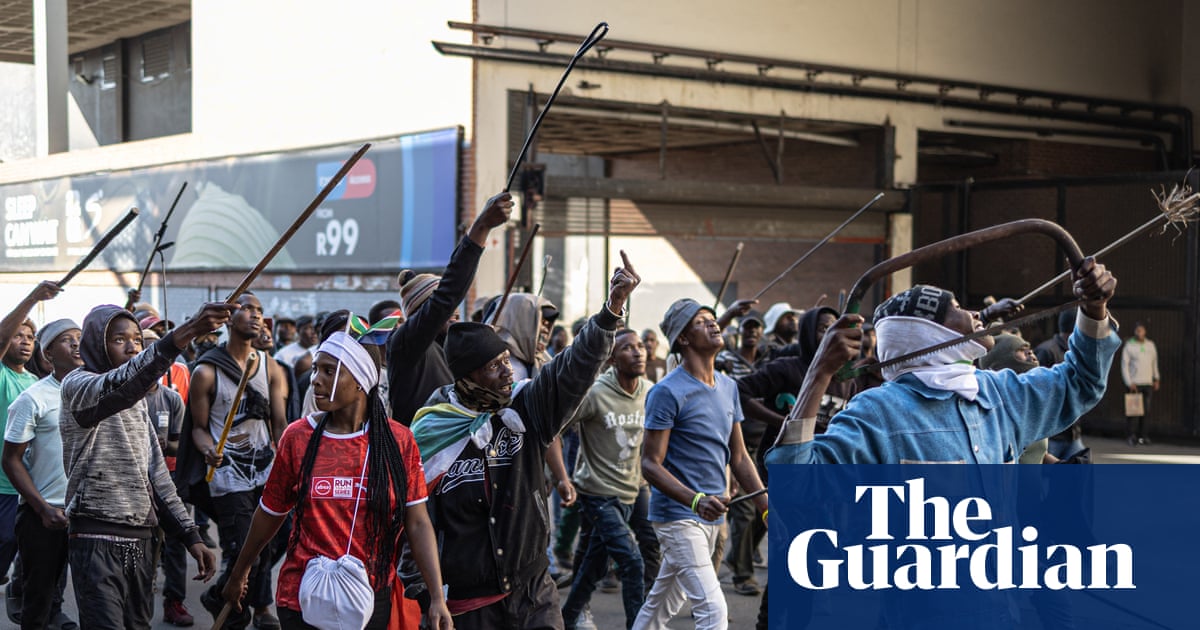
The situation escalated on July 16, when gangs raided at least four homes belonging to Malawian families in Thembelile, issuing threats in Zulu for them to leave the country. Since March, South Africa has witnessed violent demonstrations targeting illegal immigrants, fueled by widespread dissatisfaction with high unemployment and severe inequality. Official reports indicate that over 160,000 individuals have fled the country, with at least 54,000 being deported, and four fatalities recorded amid the unrest.
Shifting Demographics and Historical Context
South Africa’s relationship with immigration has deep roots, dating back to the era when the country actively sought foreign labor. Following the end of apartheid in 1994, under Nelson Mandela’s leadership, immigration increased significantly, drawn by the promise of opportunities in a nation grappling with its own socio-economic issues. Between 1996 and 2022, the foreign-born population nearly tripled to 2.4 million, amounting to 3.9% of South Africa’s total population, making it imperative for the government to refine its migration data.
Societal Unrest and Scapegoating of Immigrants
The rise in anti-immigrant sentiment has led to violent encounters as locals increasingly blame foreign nationals for their economic woes. Protests reached a climax on June 30, marking an unofficial deadline set by activist groups demanding the expulsion of undocumented immigrants. The turmoil has forced many Malawians to seek refuge outside their consulate in Johannesburg, enduring harsh conditions as they await their fate.
Incidents of Violent Robbery
On the night of July 16, Musa Adi Kunje, a Malawian resident, became another victim of this violence when five men broke into his home. Beaten for resisting, the gang made off with valuables including a fridge and television. The bloodshed in his home left him traumatized, captured in gut-wrenching detail as he recounted the event. Similarly, Aisha Muhamed reported losing her savings to a gang of robbers that night, exacerbating the already overwhelming fear among Malawians in the settlement.
The Humanitarian Crisis Unfolds
Last week, thousands of Malawians were left sleeping on the streets outside their consulate amid plummeting temperatures, desperate to return home yet unable to afford the journey. Stories of families torn apart echo through the crowd; one woman described leaving her husband behind to fend for himself while she took her eight-year-old son back to Malawi. The strain is palpable, with many facing stark realities as they seek medical care or basic necessities in a country that is increasingly turning its back on them.
Government Responses and Ongoing Tensions
Despite the evident struggles faced by these migrants, South Africa’s Justice Minister Mmamoloko Kubayi downplayed the situation, insisting that the government’s only obligation is to provide emergency medical services to illegal immigrants. However, human rights advocates argue that the law guarantees access to primary healthcare for all, regardless of immigration status. Amid thriving anti-immigration sentiments, organizer Jacinta Ngobese-Zuma announced plans for ongoing protests aimed at furthering their agenda, even as critics argue that such movements unfairly shift the blame for systemic issues onto immigrants.
Clashes Between Protesters and Police
As tensions continue to mount, protests have turned volatile. On July 16, demonstrators armed with sticks and clubs stormed through Johannesburg’s Alexandra district, where violence erupted as several homes were targeted. Police have faced criticism for their inaction, standing by while homes were invaded. Local residents, both South African and immigrant, share fears as lawlessness has plagued their communities. Disturbingly, some marchers have taken it upon themselves to demand proof of legal status from neighbors, raising concerns about vigilantism in the face of systemic issues.
