


New Federal Policy Alters Green Card Application Process for Immigrants
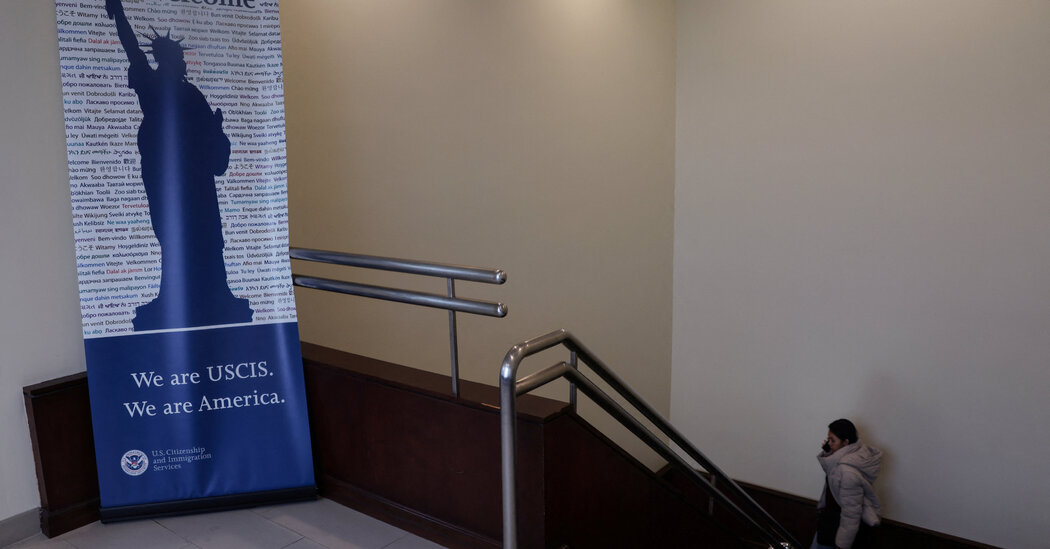
A recent federal policy change could necessitate that thousands of immigrants return to their home countries before applying for green cards, leaving both applicants and immigration attorneys striving to comprehend its implications for permanent residency. The U.S. Citizenship and Immigration Services (USCIS), which manages the green card program, announced that it will now grant permanent residency only to individuals residing in the U.S. under “exceptional circumstances.” Otherwise, those seeking to become permanent residents must apply at a U.S. consulate in their native country.
Potential Drop in Green Card Applications
Immigration lawyers and advocacy groups expressed concerns over the weekend, predicting that this change will lead to a significant reduction in green card applications. USCIS plans to issue 1.4 million green cards in 2024, with over 800,000 recipients already residing in the U.S. and having their immigration status adjusted during the process. This change has particularly alarming implications for individuals married to U.S. citizens, who typically resolve their immigration status while remaining in the country, according to Charles Cook, an immigration attorney and former president of the American Immigration Lawyers Association.
Stringent Immigration Measures Indicated
This policy, Cook added, appears to be a deliberate effort to curtail immigration and create an environment so inhospitable that many would return home. Zach Koehler, a spokesperson for USCIS, clarified that the new rules are aimed at closing a loophole that allowed some immigrants to remain in the U.S. unlawfully even after being denied residency applications.
Impact on Green Card Processing
According to the new memo, permitting immigrants to stay in the United States while their green card applications are processed is now characterized as a “matter of discretion and administrative deferral.” Efren Olivares, deputy director of litigation and legal strategy at the National Immigration Law Center, contended that this policy disrupts the green card process itself, remarking, “It’s going to be life-changing in many ways.” Most current applicants enjoy the possibility of remaining in the U.S. with their immediate families while awaiting green card approval, but this may no longer apply.
Family-Based Application Delays
Olivares noted that the timeline for green card approvals varies significantly depending on familial relationships. For spouses, the wait can be around one year, whereas siblings might face a wait time exceeding five years, and parents could wait as long as ten years for approval. These extended timelines could exacerbate the anxieties faced by families navigating complex immigration processes amidst policy changes.
Migrants Express Confusion and Anxiety
Many migrants have voiced their confusion and anxiety about how these changes could affect their applications. One Albanian woman with a green card recounted reaching out to her fiancé, who resides in Italy, trying to clarify the implications of this new policy. Though she secured her green card through a lottery in 2022, her fiancé plans to enter the U.S. on a work visa this year. To navigate the evolving landscape, she is currently hiring an immigration attorney.
Long-Term Consequences Highlighted
The immediate effects of this change may be subtle, but experts warn they will soon leave a lasting mark. Carla Ostraza, managing director of the immigration practice at the Bronx Defenders, a public defense nonprofit, emphasized the long-term ramifications: “They will remain in the shadows, without status, vulnerable to exploitation, and even if they are fully qualified, they will be cut off from better opportunities to gain status.” The ripple effects of this policy could reverberate throughout immigrant communities, intensifying their challenges in pursuit of permanent residency.
