


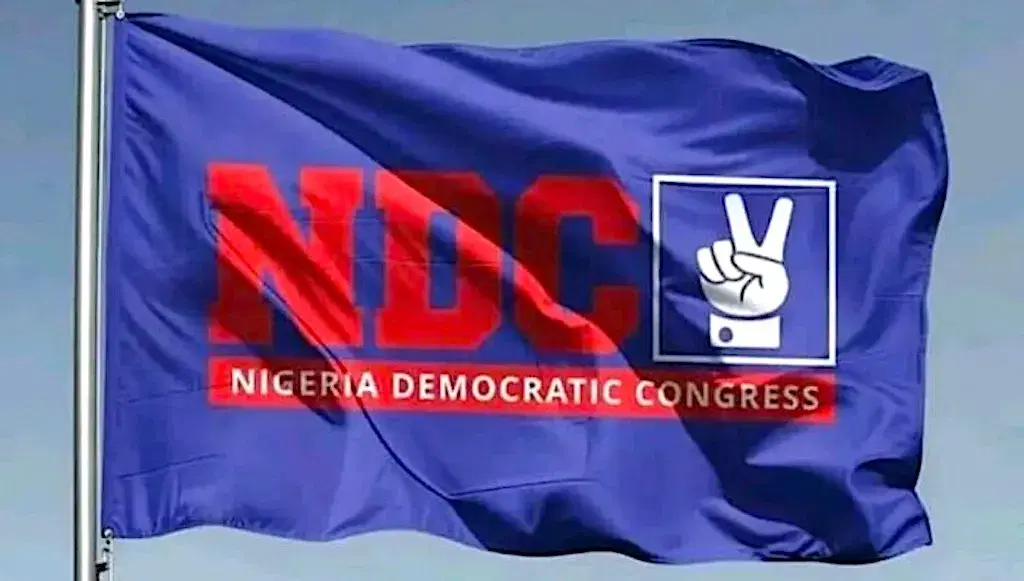
NDC Confident in Obi’s Potential in Northern Nigeria for 2027 Elections
The Nigeria Democratic Congress (NDC) has dismissed assertions that its presidential candidate, Peter Obi, struggles to gain traction in northern Nigeria. The party is optimistic that the former governor of Anambra State will substantially improve his electoral performance in the region leading up to the 2027 presidential election.
In a statement issued on Saturday, Abdulmumin Abdulsalam, the party’s Deputy National Publicity Secretary, emphasized that the political landscape in northern Nigeria has transformed significantly since the last general election. He pointed to economic challenges, escalating security concerns, and a growing dissatisfaction with governance as factors creating new opportunities for Obi to broaden his support base in the region.
According to Abdulsalam, Obi’s commitment to prudent economic management and principles of transparency and accountability is increasingly resonating with voters outside his traditional strongholds. He countered claims from political opponents regarding Obi’s lack of national appeal, arguing that such assertions overlook the NDC’s expanding grassroots movement and Obi’s rising acceptance in various northern states.
The NDC spokesperson highlighted the party’s commitment to strengthening its presence across northern Nigeria by engaging with youth, women, community leaders, and other stakeholders. He expressed confidence that these efforts will lay a robust foundation for electoral successes in the upcoming elections.
Abdulsalam conveyed a strong belief in Obi’s capability to perform better in northern Nigeria come 2027 than he did in 2023, noting a shift among Nigerians who are increasingly prioritizing competence, integrity, and effective leadership over ethnic and religious considerations.
The party’s optimism is bolstered by the rising engagement of youth in northern communities, many of whom are embracing Obi’s message of reform and good governance. The cost of living crisis, unemployment, and worsening security issues have shifted the focus of political debates nationwide, emphasizing governance performance as a more critical factor in elections than ethnic or regional identities.
While Obi achieved considerable success in the 2023 presidential election, winning all five states in the South-East and making significant inroads in Lagos State and the Federal Capital Territory, his performance lagged in many northern areas where competition was stiff against candidates from the All Progressives Congress (APC) and the Peoples Democratic Party (PDP).
Political analysts believe that Obi faces considerable challenges in not only extending his appeal in northern Nigeria but also in retaining the substantial support he garnered in the Southeast and South-South regions during the last election. Meanwhile, several influential political leaders from the Southeast affiliated with the APC have encouraged voters to support President Bola Tinubu’s re-election bid, arguing that such alignment will advance the region’s political interests.
This call to action is echoed by figures such as Imo State Governor Hope Uzodimma, Anambra State Governor Chukwuma Soludo, and Minister of Works David Umahi. They assert that the Tinubu administration has demonstrated its dedication to the South-East through appointments and infrastructure initiatives, encouraging Ndigbo to rally behind the president’s “new hope” agenda.
Conversely, supporters of Obi argue that he remains the most popular politician in the Southeast and continues to enjoy substantial support among young voters across the region. They contend that Obi’s popularity transcends ethnic and regional lines and believe he is well-positioned to mount a serious challenge in the upcoming presidential election.
Nonetheless, analysts caution that enthusiasm alone will not guarantee electoral success. They stress the necessity for Obi to forge a broad national coalition that can effectively compete with the APC and other major parties, while simultaneously consolidating his support in the Southeast and South-South and expanding his influence in northern Nigeria.
The increasing engagement of voters in both regions is essential as APC leaders escalate their efforts to persuade Ndigbo that collaboration with President Tinubu’s administration will bolster the region’s political relevance and access to power. As the political narrative evolves, how voters respond to these contrasting messages will significantly influence Nigeria’s political landscape in the lead-up to the 2027 presidential election.
Amid these emerging political dynamics, the NDC is confident that Obi’s emphasis on grassroots organizing, youth engagement, economic reform, accountability, and inclusive governance will resonate across regional, ethnic, and religious divides, positioning the party for a stronger challenge in the race for Nigeria’s presidency in 2027.
