


The Significance of Arctic Feeding Grounds for Gray Whales
Gray whales typically depend on the Arctic for their main nutritional needs, feeding for four to six months before undertaking a prolonged fasting period of six to eight months. This cyclical dependence highlights the critical importance of Arctic feeding grounds for their survival.
Understanding Food Availability in the Arctic
The factors influencing food availability in the Arctic are intricate, and researchers are continually working to deepen their understanding. Algae, which grows on the underside of sea ice, eventually descends to the ocean floor as the ice melts. This process facilitates decomposition, enriching the sediment and supporting populations of amphipods that thrive in these nutrient-rich environments. As gray whales consume sediment, they unlock nutritious organisms essential for their diet.
Impacts of Climate Change on Whale Foraging
Recent studies indicate that sea ice is melting earlier each year, allowing sunlight to penetrate the water column more swiftly. This shift has prompted increased phytoplankton growth, which competes for nutrients that previously nourished the ocean floor. As a result, scientists believe there is a diminished availability of prey for gray whales during their vital feeding seasons.
Consequences of Inadequate Nutrition
For gray whales, particularly, the effects of a less favorable summer feeding season often manifest in the spring. These whales expend more energy during their northward migration than they managed to gather from foraging the previous year. The timing is particularly challenging, as they begin their journey northward often at their most malnourished state, heightening their vulnerability to starvation.
Unusual Sightings and Behavioral Changes
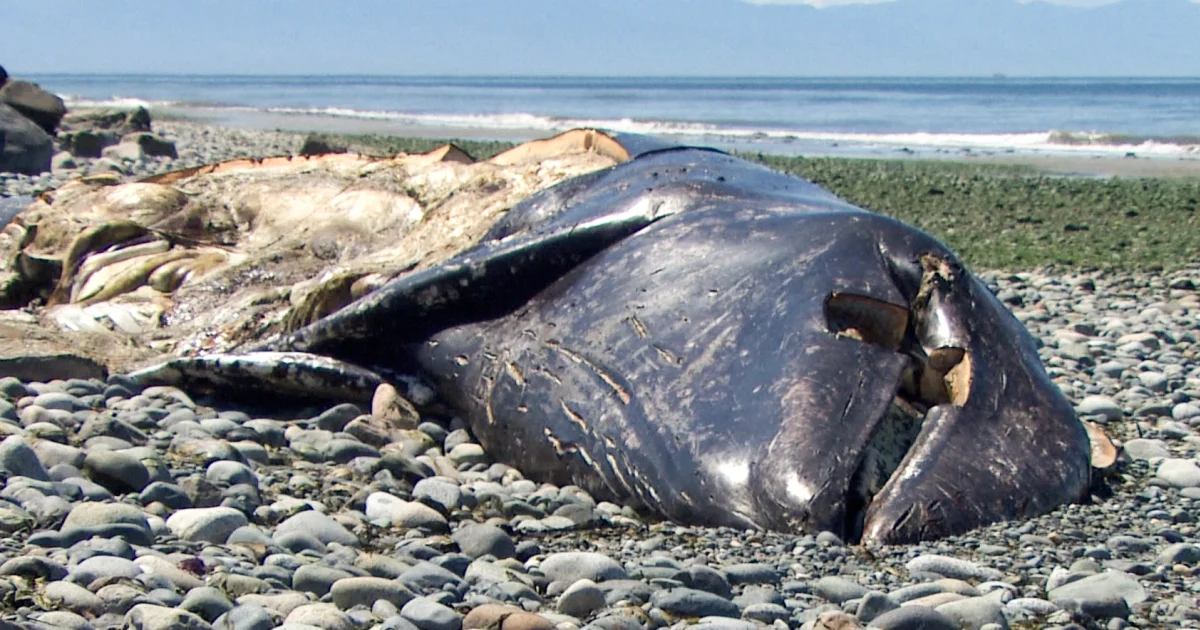
This season has seen some gray whales appearing in unexpected locations, including a notable case where one whale was found dead in Washington’s Willapa River, seemingly in search of food. As these animals face nutritional deprivation, they may experience heightened desperation, which can impair their awareness and navigational skills.
Population Estimates and Challenges Ahead
The latest estimates from NOAA suggest that the gray whale population has decreased significantly from around 27,430 individuals a decade ago to an estimated 12,950 last summer. However, experts like Stewart caution that this modeling may not accurately represent the situation, potentially overstating the decline in numbers.
Resilient Feeding Groups in the Pacific
Interestingly, not all Pacific gray whales exhibit the same level of dependency on Arctic feeding grounds. A small group, known as sounders, consisting of approximately 12 whales, deviates from the standard migratory route to forage on ghost shrimp in northern Puget Sound before heading toward the Bering and Chukchi Seas. Additionally, over 200 whales belonging to the Pacific Feeding Group spend their summers feeding in coastal waters along Northern California, Oregon, Washington, and southern Canada, demonstrating a degree of resilience in the face of broader population declines.
Long-term Foraging Adaptations
According to Elliot Hazen, a NOAA research ecologist, the emergence of differing foraging strategies among gray whales indicates that some populations may adapt more successfully to environmental challenges. The history of gray whales reveals a remarkable recovery from the brink of extinction brought on by commercial whaling in the 19th and early 20th centuries, with their population rebounding significantly after protections were instated. However, there are concerns that ongoing environmental pressures may hinder such progress, placing these majestic creatures in uncharted territory regarding their long-term recovery.
