


Shifts in Immigration Enforcement Prompt Legal Challenges
In Washington state, four immigration judges have been at the forefront of a significant shift in immigration enforcement, challenging long-standing American practices regarding bail for detained immigrants. This change has ignited a wave of lawsuits since July, with thousands alleging violations of the constitutional right against unlawful detention. The recent rejection of a controversial policy by an appeals court has introduced the possibility of a Supreme Court review, marking a critical moment in the ongoing debate surrounding immigration law.
Mandatory Detention Policy Raises Legal Concerns
The denial of bail has been in effect at the Northwest ICE Processing Center in Tacoma since early 2010. Until recently, this practice went largely unnoticed, except by immigration attorneys. When the Trump administration adopted this approach last year, it aligned with judicial interpretations that critics argue undermine established legal precedents.
Judicial Rationale Behind the Decision
Judge Neil Floyd, the only Tacoma judge to discuss the matter publicly, explained that clerks had researched the implications of current law over six months. The judges concluded that Congress had not authorized bail for registered applicants. Floyd highlighted that such a significant decision required a collaborative effort, as the stakes were too high for any one judge to independently dictate policy.
Historical Context and Legislative Basis
The judges’ interpretation derives from a 1996 statute that mandates the detention of “applicants for admission” into the United States. Historically, this provision has been applied mainly to those who recently crossed the border illegally. However, it now categorizes long-term residents as “admission applicants,” effectively disregarding their prior legal classification, which permitted bail hearings.
Unexpected Change Leaders from the Judiciary
The Tacoma judges—Chief Judge Teresa Scala, John Odell, Tammy Fitting, and Floyd—are curious figures in this procedural upheaval, having initially served as attorneys for U.S. Immigration and Customs Enforcement. Floyd noted that their decision was rooted in fairness and clarity regarding immigration law, asserting that entering through official channels ought to grant individuals certain rights, including the presumption of release while their cases are considered.
Reactions from Immigration Advocates
The legal community reacted with disbelief to the judges’ ruling, prompting extensive research for comparable cases across the country, which yielded no results. Matt Adams, an attorney with the Northwest Immigrant Rights Project who filed a lawsuit against the policy, expressed concern about the implications of the Tacoma judges’ decision, characterizing it as a blatant attempt by prosecutors to keep individuals incarcerated without fair legal recourse.
Broader Implications of the Policy Shift
In July, the Trump administration signaled its endorsement of the Tacoma judges’ interpretation, announcing sweeping changes in ICE policy. The agency indicated that immigrants residing in the U.S. for long periods would now fall under mandatory detention if they had not legally entered the country. This policy shift contributed to a near doubling of individuals in ICE custody, reaching approximately 75,000 by January, with plans to expand detention capabilities significantly by November.
Individual Stories Amidst the Controversy
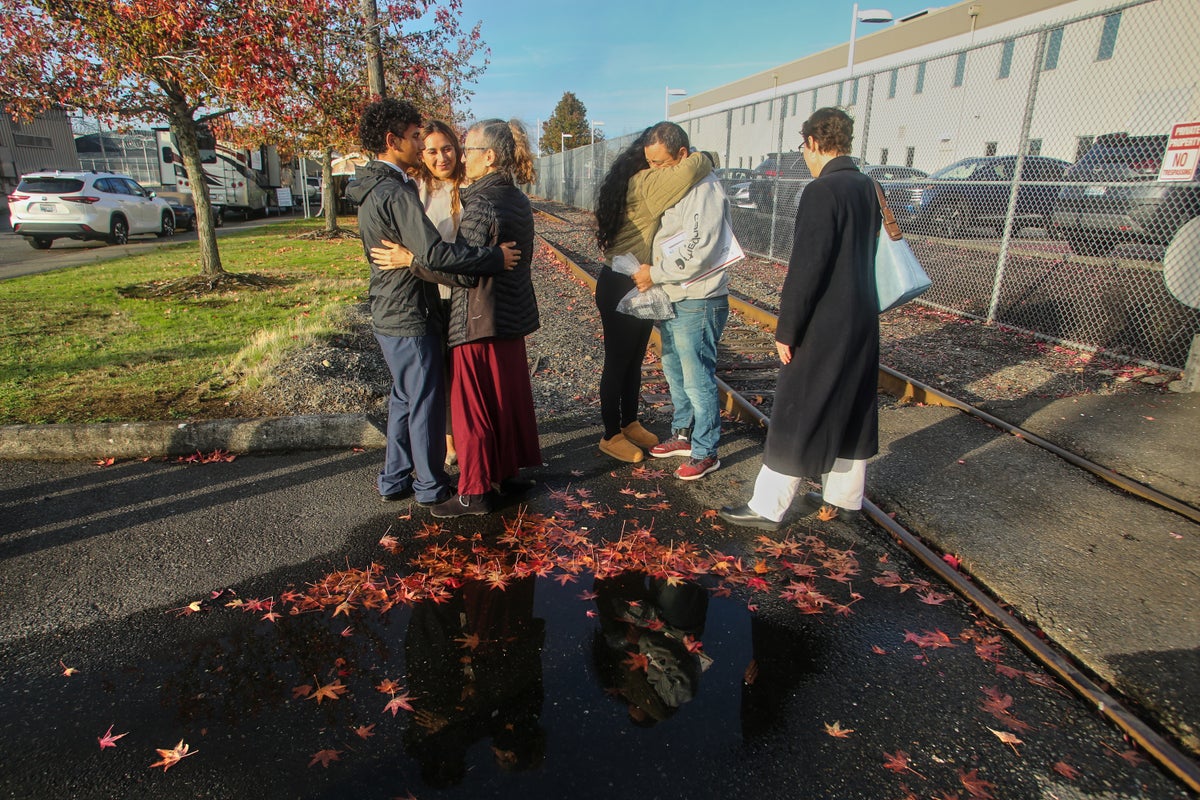
While the administration’s approach remains contentious, many immigrants have successfully contested their detentions in court. Some federal judges are ordering immediate releases or mandating bail hearings. Victor Cruz, a handyman from Portland, spent 24 days in detention before being granted a bail hearing, ultimately prevailing in his immigration claim. His experience underscores the human cost of a legal system grappling with profound changes, as detainees often face uncertainty for months on end.
At a bail hearing last month in Tacoma, Judge Fitting faced a complex array of cases. While she denied bail to an immigrant with a past drunk driving conviction, she granted bail to another without a criminal record, negotiating the difficult landscape of legal possibilities for those seeking status in the U.S. The ongoing legal battles signal that the fallout from these judicial and legislative changes will shape the immigration landscape for years to come.
