


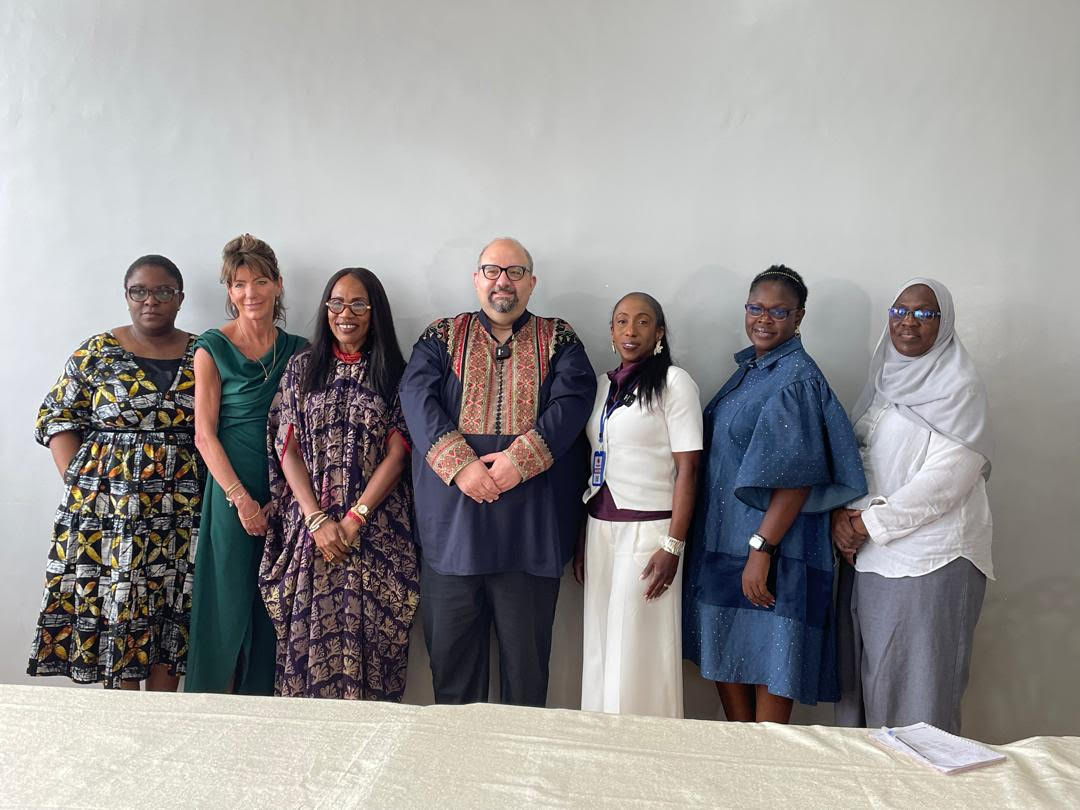
Call for Commitment to Inclusive Education in Nigeria
Daniel Sobels, Founder and Chair of the International Forum of Inclusion Practitioners (IFIP), has urged a national pledge towards inclusive education in Nigeria, emphasizing the importance of supporting neurodiverse learners and children from marginalized backgrounds. He asserted that these students must not be overlooked in educational settings.
Upcoming National Inclusion Conference
At a recent press conference, Sobels unveiled plans to collaborate with UK Golden Links Educational Consultants for a national inclusion conference themed “Incorporating Inclusive Excellence and Supporting Neurodiverse Learners in Every Classroom.” The event is scheduled for May 29-30 at Rugby School in Atlantic City, Victoria Island.
Promoting Inclusive Education Practices
During the press conference, Sobels reiterated that the initiative is designed to promote best practices in inclusive education while equipping educators with actionable skills to support learners facing neurological, social, and economic hurdles. He indicated that inclusion transcends disabilities like dyslexia and autism to encompass students with mental health challenges, those living in poverty, and gifted individuals who lack the resources to excel.
Understanding the Scope of the Challenge
Sobels pointed out that approximately 20 percent of any society comprises children who struggle to complete their education or contribute positively to the economy without appropriate support. He noted that the International Inclusion Practitioners Forum is committed to gathering and disseminating effective inclusion strategies from across the globe.
Global Reach and Local Impact
He detailed that the organization has hosted educational events in countries such as Papua New Guinea, Uruguay, Botswana, and Zambia, collaborating with entities like UNESCO and G20. Sobels expressed his excitement about holding the forum’s inaugural conference in Nigeria, aiming not only to expose Nigerian educators to international best practices but also to persuade policymakers to elevate inclusive education on their agendas.
A Celebration of Existing Initiatives
Sobels characterized the conference as a tribute to the Federal Government’s “No Child Left Behind” initiative, expressing hope that it would spark a transformative approach to inclusion in Nigeria. He emphasized the urgency of making inclusion a national priority during discussions with government entities, envisioning this conference as a pivotal beginning rather than a solitary event.
Barriers to Success for Neurodiverse Learners
Sharing his own experiences, Sobels discussed the challenges neurodiverse learners face, recalling that he was often misjudged as lazy due to his learning difficulties. He highlighted that many neurodiverse children internalize these negative perceptions, which hinders their self-worth and academic performance. Understanding, encouragement, and classroom adaptation from teachers and school leaders are vital to uplifting these students.
Advocating for Systemic Reforms
Angelina Ikeako, National Executive Director of the National Council for Inclusion and CEO of Golden Links Educational Consultants, stressed the pressing need for institutional reforms within Nigeria’s educational framework. She posited that mere rhetoric must give way to actionable advocacy and support for children experiencing learning gaps and disabilities. Despite the federal government’s commitment to “no learners left behind,” she argued that neurodiverse learners continue to face exclusion in educational settings.
Call to Action for Collective Responsibility
Ikeako insisted that achieving genuine inclusion entails more than isolated actions by individual schools; it requires a concerted, systemic approach involving policymakers, educators, and parents. She highlighted that the conference aims to foster a comprehensive 360-degree strategy, ensuring no child in Nigeria is disadvantaged.
Reimagining Education as a Fundamental Right
Bolanle Adewole, Executive Director of Learning Places and TLP Center, advocated for heightened governmental support and mandatory inclusion training for educational institutions to accommodate diverse learning needs. She asserted that inclusive education should be recognized as a basic human right rather than a charitable endeavor for students with disabilities. Adewole emphasized that every child can learn if offered the right environment and support.
Building Sustainable Inclusive Education Systems
She reaffirmed the conference’s role in equipping educators, parents, and policymakers with actionable strategies for creating inclusive systems, which ultimately benefit all learners, not just neurodiverse students. Adewole expressed optimism that the conference could lead to lasting improvements in Nigeria’s education system by introducing stakeholders to globally recognized best practices in inclusive learning.
The Need for Comprehensive Government Support
In her remarks on the readiness of Nigerian schools to support diverse learners, Adewole noted that while many are eager to embrace inclusion, they often lack the necessary resources, training, and financial assistance. She emphasized that genuine governmental commitment is crucial for achieving substantial progress through effective policy implementation and teacher development.
Conclusion
To achieve meaningful inclusion, Adewole argued, a belief in the importance of inclusive education must be ingrained in government priorities. Once this belief is established, adequate policy and financial support will follow, enabling the necessary resources for training educators and supporting neurodiverse students. She concluded by highlighting the crucial role of specially trained educators equipped with knowledge of child psychology and development to foster an inclusive educational environment.
