


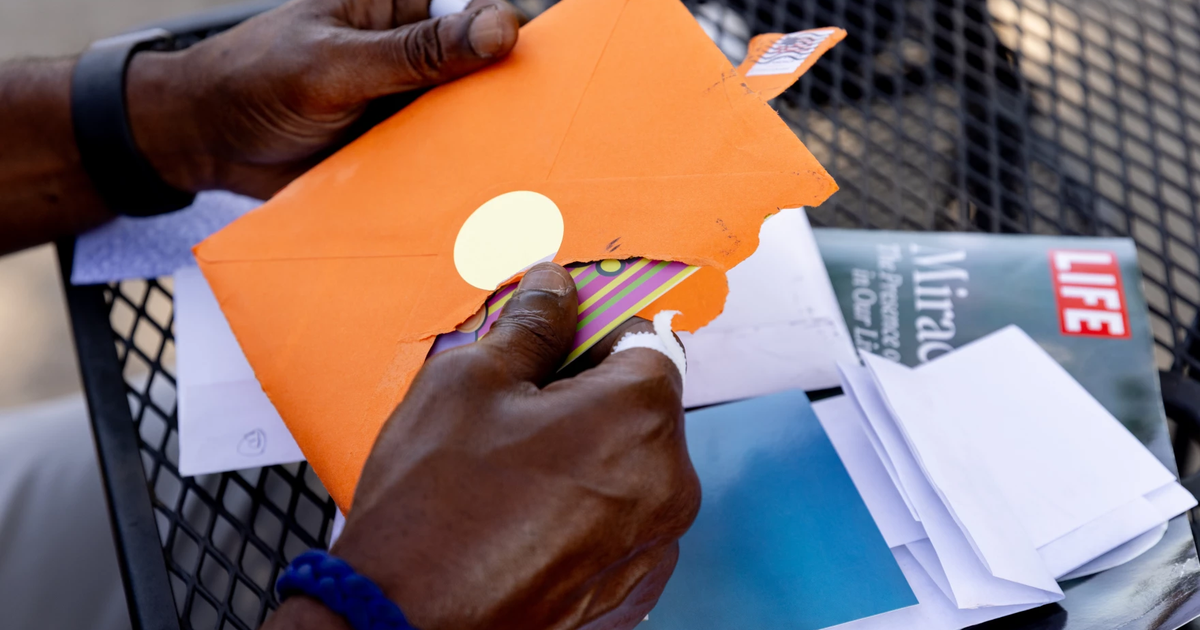
Seka Shahib expressed his deep-seated fears about his wife’s immigration status, stating that he receives frequent calls stating she might leave the country. He worries constantly that their life together could be upended until he is able to bring her home.
The attorney representing Ramdial Shahib indicated that her circumstances have worsened, particularly regarding her medical needs.
“She needs to be treated by a doctor, not by immigration,” said her lawyer, emphasizing the urgency of her situation.
Escalating Deportation Practices
Since the beginning of his second term, the Trump administration has implemented a controversial policy of sending immigrants and refugees to countries with which the U.S. has no diplomatic ties.
Migrants who are legally protected from deportation to their home countries have been held in detention facilities for extended periods, while the Department of Homeland Security (DHS) seeks alternative host countries.
While Mexico is often the first choice for such deportations, some migrants are sent to nations grappling with conflict, disease, and human rights violations, including the Democratic Republic of the Congo, where travel advisories for U.S. citizens have been issued.
Immigration law experts have noted a significant shift in deportation practices under President Trump, who is utilizing third-country removals at a rate unprecedented by previous administrations. So far, at least 34 countries have agreed to accept deported migrants, including Costa Rica, Equatorial Guinea, and Uzbekistan.
According to the 1951 Refugee Convention and the United Nations Convention Against Torture, individuals granted an injunction or stay of removal due to persecution cannot be deported. The Immigration and Nationality Act permits DHS to return noncitizens to other countries if deportation to their originating country is deemed “impossible, inadvisable, or impractical.”
Bram Elias, a law professor and director of the Immigrant Advocacy Clinic at the University of Iowa, stated that while the policy affects only a small subset of the population, it could potentially apply to millions of asylum seekers across the United States.
Fears of Third-Country Deportation
The possibility of being deported to an unfamiliar third country has induced heightened anxiety within immigrant communities. Since January 2025, nearly 20,000 migrants have been sent to countries other than their own, according to statistics from the Third Country Deportation Monitoring Office.
More than 80% of individuals deported after 2025 have been returned to their home nations, as indicated in a Senate Foreign Relations Committee minority report released earlier this year. The costs associated with expanding deportations to third countries remain uncertain, although estimates suggest that taxpayer expenses could reach up to $40 million.
DHS has argued that the expedited deportation process is necessary for individuals deemed too dangerous for their own countries to accept.
Through investigative efforts, Midwest Newsroom has identified at least 30 individuals in ICE custody who have faced attempts at transfer to third countries. Many of these individuals have established lives in the U.S., with some having pursued asylum upon their arrival.
Yael Shacher, director of the Americas and Europe for Refugees International, criticized the administration’s stance, stating that it conveys to asylum seekers, “If you don’t agree to return to your home country and abandon your asylum claim, we’re going to deport you to a random country.”
Concerns over ICE detention facilities, which have been reported to have substandard conditions, exacerbate the fears of immigrants. According to ICE’s own data, at least 52 individuals have died while in custody since January 2025.
Personal Accounts from Those Affected
Alisa Ramdial Shahib shared her story with Midwest Newsroom, recounting her arrival in the U.S. on a visitor visa that allowed her to remain in the country temporarily. She established a new life in Tampa, Florida, marrying her first husband, Rodney London.
Initially, she worked in a commercial cleaning company after a stint in modeling. London, a fellow Trinidadian immigrant, assisted her with the paperwork needed to renew her immigration status, and they welcomed a daughter together.
In 2010, Ramdial Shahib found herself questioned by police regarding a drug investigation associated with her husband. Following a perplexing series of events, she was arrested on drug trafficking and possession charges after officers discovered opioids in her wallet. She maintained her obliviousness to her husband’s illegal activities.
In a letter to a Tampa judge in March 2011, she expressed her plight: “I have been in this prison for almost seven months now because of his illegal dealings.”
