


Supreme Court Declines to Block Licensing for Undocumented Truck Drivers
On Tuesday, the U.S. Supreme Court dismissed Florida’s attempt to prevent California and Washington from issuing commercial driver’s licenses to undocumented truck drivers. The court did not elaborate on its ruling. However, Justice Clarence Thomas, joined by Justice Samuel Alito, dissented, suggesting that the court should have entertained Florida’s claims regarding inter-state disputes, as these fall under its jurisdiction.
Fatal Accident Sparks Legal Action
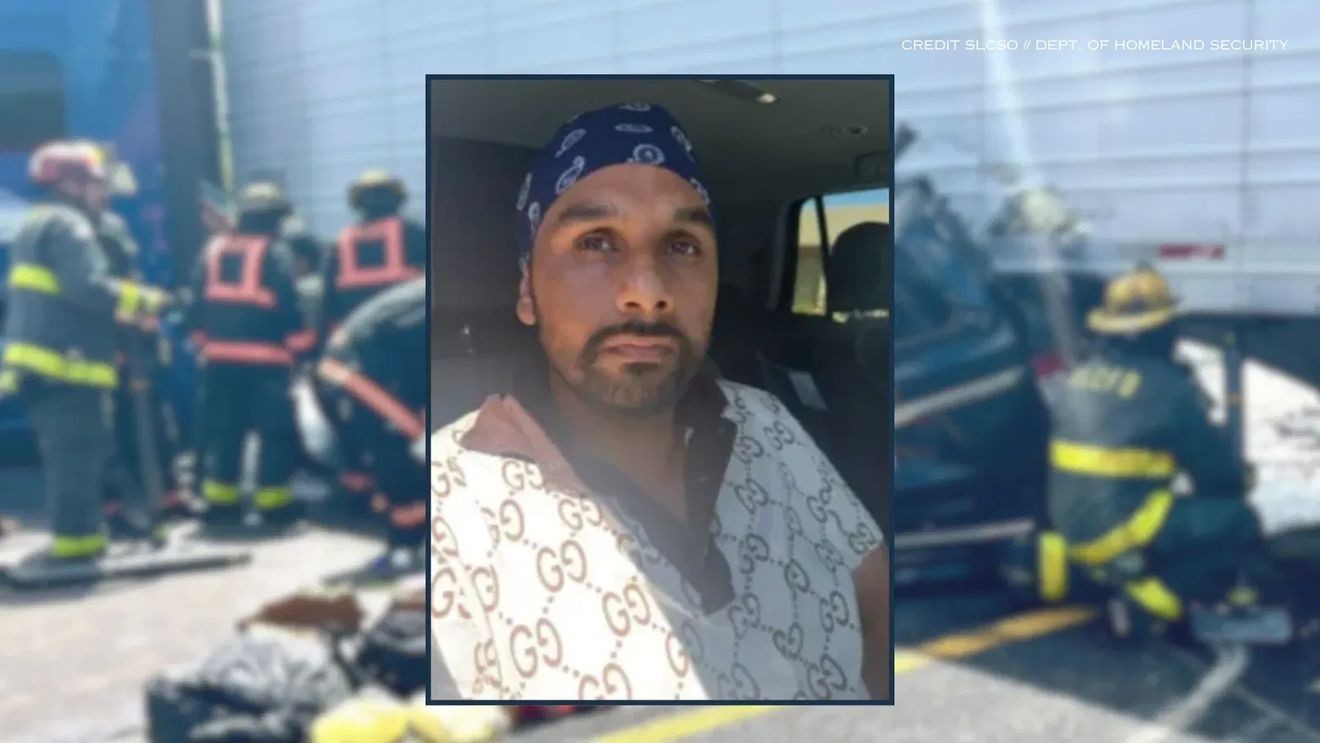
The state of Florida initiated the lawsuit following a tragic accident on the Florida Turnpike that garnered national attention and raised questions regarding state licensing practices for commercial drivers. The incident unfolded on August 12, 2025, near Fort Pierce, St. Lucie County, when Harjinder Singh, a 28-year-old semi-truck driver from India, executed an illegal U-turn at an “official use only” access point. Investigators reported that Singh’s truck obstructed all northbound lanes, leaving the minivan no chance to halt, resulting in the death of three individuals.
Victims Identified and Legal Proceedings Underway
The victims were identified as Harvey Dufresne, 30, from Florida City, Rodrig Doll, 54, from Miami, and Faniola Joseph, 37, from Pompano Beach. Dufresne, a Haitian émigré, had entered the United States legally through the Humanitarian Parole Program and was working to support his family abroad, including his young daughter in the Dominican Republic. In the wake of the accident, Singh faced serious charges including three counts of vehicular homicide and three counts of manslaughter. He remained in custody without bail during his initial court appearance in November, requiring a Punjabi interpreter for the proceedings.
Political Implications and Ongoing Investigations
The incident has fueled a broader political discourse surrounding immigration, highway safety, and commercial licensing standards. Florida authorities contend that Singh was illegally residing in the country and possessed commercial driver’s licenses from both California and Washington. Concerns were raised about his English language proficiency, culminating in a dismal score of 2 out of 12 on a post-accident language assessment. Officials in California maintain that they adhered to all relevant state and federal regulations in issuing Singh’s license.
Florida Attorney General Pursues Accountability
Florida Attorney General James Usmeyer has since issued both criminal and civil subpoenas to Singh’s employer, Whitehawk Carriers, as part of a broader investigative effort. Legal requests have been directed at Washington and California to reveal how Singh acquired his commercial license and whether additional undocumented drivers have received similar credentials.
Federal Response and New Regulations
In response to the accident, federal authorities are taking action. U.S. Transportation Secretary Sean Duffy announced emergency modifications to the rules governing commercial driver’s licenses for non-residents, citing the increase in fatalities and accidents in Florida. Under the revised regulations, eligibility is now restricted to specific visa holders. Moreover, the previously accepted general employment permit will no longer suffice; licenses are set to expire after a year or at the conclusion of a visa, and renewals must occur in person.
Community Concerns and Legislative Developments
The accident has also drawn attention from Sikh advocacy groups, who are cautioning against the potential stigmatization of Sikh and immigrant truck drivers due to the incident. According to reports, members of the Sikh community have prayed for both victims and Singh, advocating for a fair legal process as the case unfolds. Concurrently, Florida is considering tightening its driver testing procedures, introducing English-only tests effective February 6. Lawmakers have also examined measures requiring law enforcement to detain undocumented truck drivers and transfer them to federal immigration authorities, although this proposal has yet to pass.
