


New Affordable Housing Initiative Launched in New York City
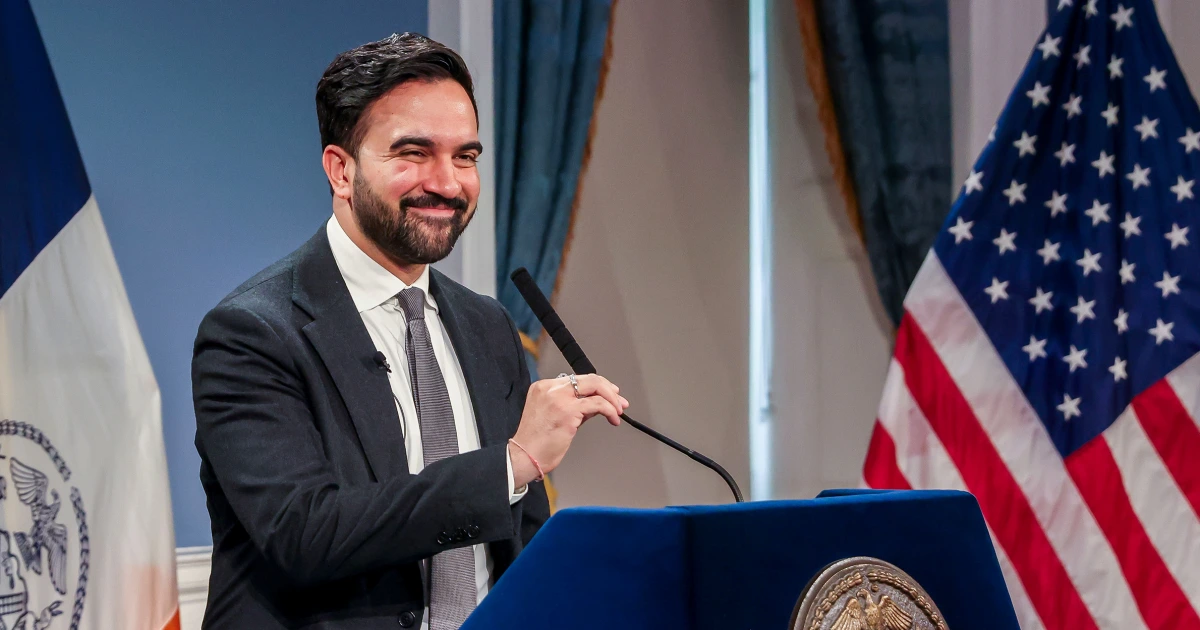
New York City Mayor Zoran Mamdani unveiled a bold proposal on Tuesday aimed at addressing the urgent affordable housing crisis. The initiative seeks to construct 200,000 new affordable housing units and preserve another 200,000 existing units over the next decade. This plan is a significant marker in the national dialogue surrounding housing affordability and economic equity.
Strategic Investments and Policy Changes
The initiative, titled “Block by Block, New Era Housing Policy,” encompasses $22 billion in new investments dedicated to affordable housing development. Additionally, it allocates $5.6 billion to reinforce the New York City Housing Authority. Key features of the proposal include establishing a $40-per-hour minimum wage for construction workers engaged in city-funded projects, as well as the introduction of robust enforcement measures related to housing regulations. The plan further suggests investments in a city-backed home insurance company and aims to simplify regulations for manufactured homes.
Impact of Mamdani’s Campaign on Housing Strategies
Mamdani’s focus on affordability during his mayoral campaign has influenced discussions among Democrats nationwide regarding the rising cost of living and broader economic issues. His proposed suspension of rent increases for stabilized apartments was particularly contentious. The fate of this new comprehensive plan could significantly shape perceptions of his tenure and the Democratic Party’s trajectory.
Commitment to Housing Investment
In a recent interview, Mamdani refrained from committing to whether the success of this housing plan would define his mayoral term. He emphasized that housing is the principal factor driving the affordability crisis, asserting that his initiative is designed to deliver long-overdue investments to New Yorkers. “We need to confront these issues head-on,” he stated.
Balancing Growth and Existing Housing Needs
Highlighting the complexities surrounding the housing dialogue, Mamdani remarked, “There has often been an illusion of choice between building new housing or maintaining existing units. It is possible to address both simultaneously.” He believes that effective government should prioritize implementation over rhetoric, presenting a multifaceted strategy to combat the ongoing housing crisis.
Historical Housing Development Milestones
Before Mayor Mamdani took office, housing production in New York saw a notable increase, with over 150,000 new units expected to be available between 2021 and 2025. This marks the highest level of development in a five-year span since the 1960s. During his address on Tuesday morning, Mamdani characterized his housing initiative as a corrective measure against over 40 years of policies that have impeded housing investment.
Federal Partnership and Funding Requests
Mamdani also referenced his discussions with President Donald Trump regarding a $21 billion federal grant for the Sunnyside Yards housing project in Queens, which has the potential to add 12,000 affordable units. While he is still working to secure federal backing for this project, he did not disclose whether additional elements of his housing strategy have been discussed with the President.
Focus on Code Enforcement and Community Engagement
A pivotal aspect of Mamdani’s proposal is the increase in funding for code enforcement aimed at tackling long-standing maintenance issues within the city’s housing stock. Leading up to this announcement, Mamdani and his administration conducted public hearings to collect feedback from tenants about their experiences. He noted that “starting October 1, the city will investigate all reports of heating complaints across the five boroughs,” as a move to rebuild trust in municipal services among residents.
Engagement in an Evolving Political Landscape
Ahead of the upcoming state primary elections, Mamdani expressed his support for key candidates, including state Rep. Claire Valdez and former NYC Comptroller Brad Lander, while remaining neutral in his home district due to a competitive field of aspiring candidates. He articulated that the essence of the primary decisions should revolve around policy rather than big-money interests, particularly in a rapidly changing political landscape driven by technological advancements in sectors like AI.
Addressing Local Concerns and Future Aspirations
Mamdani concluded by highlighting the ongoing struggles of many New Yorkers, particularly artists and younger residents, who find it increasingly challenging to afford life in the city. He asserted that the rich fabric of New York’s communities relies on diverse voices and experiences, signifying the importance of having representatives who truly understand and advocate for the needs of their constituents.
