


Nigeria’s Real Estate Sector Eyes Lagos Mainland for Investment Opportunities
Leading figures in Nigeria’s real estate industry have pointed to Lagos mainland as the next significant hub for investment and urban renewal. This shift is driven by growing infrastructure development, a rising demand for luxury residential and commercial spaces, and unexplored opportunities within the metropolis.
Exclusive Real Estate Conference Highlights Mainland Potential
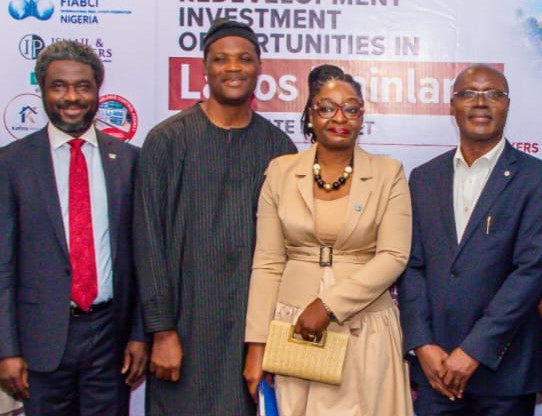
The unanimous sentiment was strongly articulated at the 2026 Exclusive Real Estate Conference, which convened developers, financiers, academics, legal experts, and government officials to discuss trends in redevelopment and opportunities in Lagos mainland. In his welcome address, Exclusive Estates Chairman Peter Adubamen emphasized the need to shift the investment dialogue that has historically favored Lagos Island, underlining that the mainland now presents stronger prospects for sustainable returns. “The transformation happening in mainland Lagos, marked by infrastructure enhancements and an increased demand for quality housing and commercial assets, cannot be overlooked,” he stated.
Changing Investment Narratives
Adubamen observed that although investment focus has long been directed toward Nigeria’s islands, the narrative is quickly evolving. Mainland areas are showcasing resilience and significant yield potential. “Lagos is undergoing remarkable changes, and the mainland is emerging as a space rich with untapped potential. Investors will be drawn to areas where their capital is welcomed and informed decisions can be made, which is precisely the aim of today’s gathering,” he explained.
Launch of the Lagos Mainland Real Estate Industry Report
At the conference, the “Lagos Mainland Real Estate Industry Report” was officially launched. Described as a critical analytical tool, the document aims to help both institutional and retail investors navigate opportunities within the sector. Adubamen highlighted that the report transcends mere statistics, delving into the relationship between economic indicators and property valuations while advocating for transparency and structural integrity in the Lagos mainland property market.
Focus on Urban Renewal Challenges
Adubamen expressed appreciation for the sponsors, stakeholders, and participants who contributed to this initiative aimed at revitalizing the mainland real estate landscape. He elaborated on the reasons behind the conference, noting that Exclusive Estates, with offices in both Lagos and Abuja, aims to engage industry players due to the rapid advancements occurring across mainland Lagos. He highlighted pressing challenges such as dwindling land availability, aging properties, and financial constraints affecting urban renewal projects in areas like Ikeja, Surulere, and Yaba.
Innovative Redevelopment Models Emerge
During the event, Mr. Akin Opatola, Chairman of the FIABCI Nigeria Chapter, discussed the inevitability of gentrification in urban redevelopment. He explained that aging structures across Lagos will eventually be replaced by modern developments as revitalization efforts gain momentum. One increasingly successful model entails collaboration between landowners and developers, where landowners contribute real estate assets and developers provide needed capital and expertise. “This partnership approach is proving to be an effective alternative to traditional bank financing, particularly in a climate of high interest rates and short loan terms,” Opatola noted.
Addressing the Needs of Vulnerable Communities
Professor Timothy Nubi emphasized the need for a holistic and equitable strategy for urban regeneration, cautioning against redevelopment methods that might displace vulnerable populations without sufficient compensation. He argued that many so-called slums occupy prime locations, which could, if managed correctly, fund their own redevelopment. Nubi advocated for a stakeholder-driven approach to ensure that all voices are heard and respected during the redevelopment process. “We must design urban renewal initiatives that allow everyone to benefit,” he asserted. He pointed out that past efforts often fell short, leaving displaced residents with only a fraction of their property’s value as compensation.
In summary, the evolving landscape of Lagos mainland presents a promising frontier for real estate investment. As stakeholders come together to explore innovative solutions to urban challenges and implement more inclusive redevelopment practices, the potential for sustainable growth in Lagos remains significant.
