


Trump Administration’s New Green Card Policy Raises Concerns
WASHINGTON – The recent announcement by the Trump administration mandating that green card applicants apply from their home countries has caused significant concern among potential applicants. Immigration attorney Flavia Santos Lloyd reported a surge in calls from clients apprehensive about the implications of this unexpected policy change.
Lloyd expressed uncertainty in advising her clients, recognizing that the convoluted new regulations would likely extend the application process for many. “This has a chilling effect because we already know there are cases we were poised to move forward with, but now we must wait and see how things unfold,” she stated.
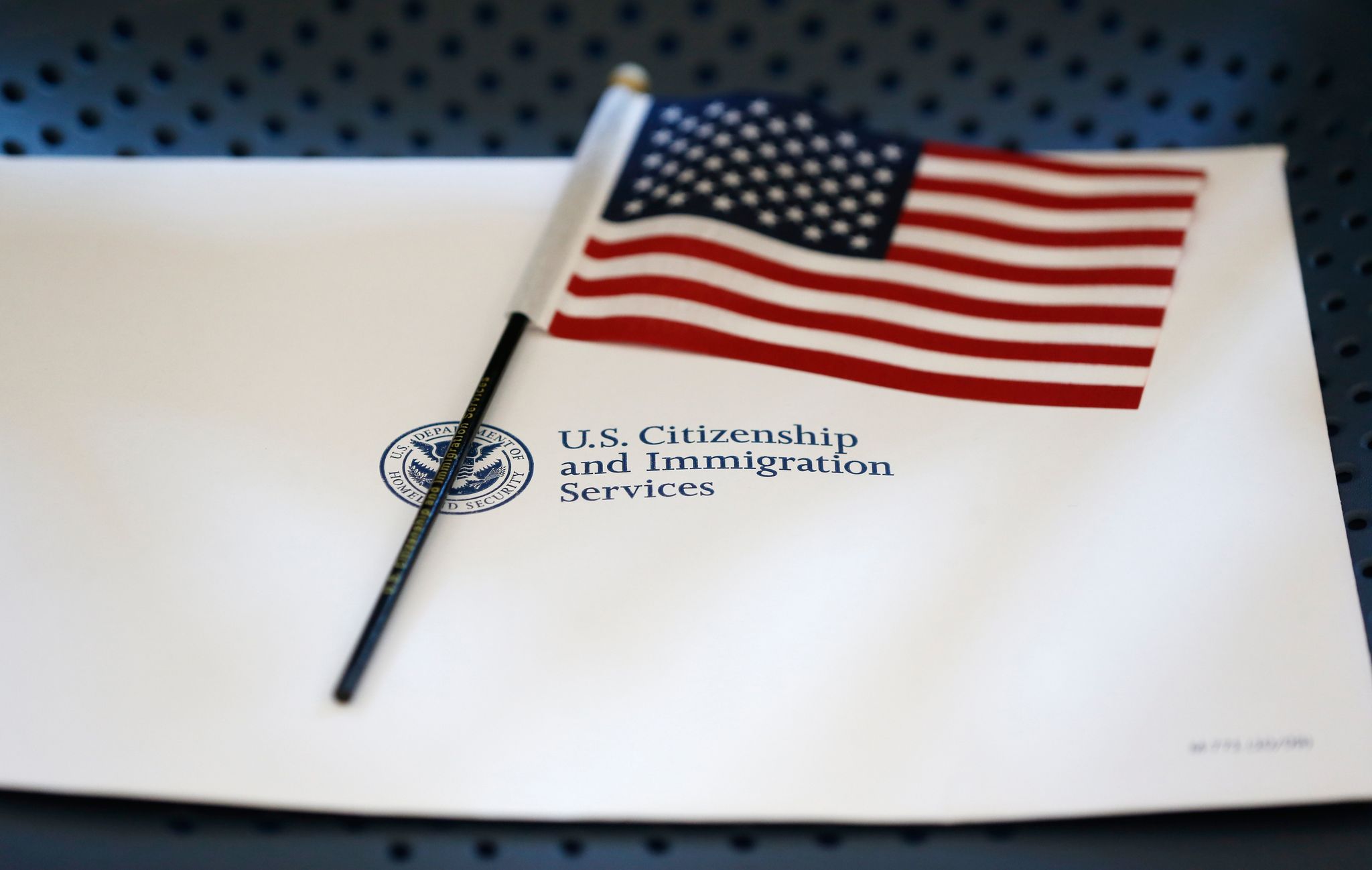
The U.S. Citizenship and Immigration Services (USCIS) issued a directive stating that foreign nationals currently residing in the U.S. must leave the country to apply for a green card, with unspecified exceptions. This latest policy could impact hundreds of thousands of applicants annually and reflects the administration’s broader immigration strategy that has increasingly leaned towards restricting both illegal and legal immigration pathways.
Widespread Confusion Over Policy Implementation
The backlash from immigration advocates and legal experts has been swift. Charles Cook, an immigration lawyer, described the move as a tactic to intimidate individuals considering the legal immigration process, predicting potential legal challenges to the new norms. “This is a scare tactic,” he noted.
The details surrounding the policy’s implementation remain ambiguous. Specific exceptions for applicants have not been clearly defined, leading to a flood of inquiries at immigration law firms as concerned individuals and employers seek clarity.
In a significant shift, USCIS announced that foreign nationals who are in the U.S. temporarily and wish to receive a green card must return to their home countries to apply, barring special circumstances. The agency hinted that only applicants demonstrating an “economic interest” or “national interest” might be eligible to apply from within the U.S.
The Policy’s Impact on Various Visa Holders
For more than 50 years, foreign nationals holding legal status—from spouses of U.S. citizens to work visa holders—could apply for permanent residency without leaving the country. However, the abrupt policy announcement caught many off guard, altering the trajectory for those seeking green cards.
USCIS’s more nuanced policy memo—intended to guide case adjudicators—has further compounded confusion among immigration experts. One law firm, Boundless Immigration, suggested that although the new guidelines might tighten the application process, they are not likely to halt the status adjustment for certain eligible applicants based on the type of visa they hold.
Who Will Be Affected by New Guidelines?
Shehu Dalal Deini from the American Immigration Lawyers Association explained that the new guidelines appear to target individuals who have overstayed their visas, which could include parents, company transferees, and individuals on religious-related visas. “It looks like they may be targeting people whose terms of stay have expired while they’re here,” Dalal Deini remarked.
Kevin Miner, a partner at the immigration law firm Fragomen, indicated that those holding employment-based visas—like H-1B—might remain exempt from this policy. He echoed that the announcement was unexpected and expressed optimism that for these cases, there would be little change in how green card applications are processed.
Matthew Sorens of World Relief highlighted that the phrasing in the memo regarding status adjustments offers some hope that refugees, who face different admission criteria and challenges, might not fall under these new restrictions. However, he cautioned that individuals granted humanitarian parole might also find their pathways complicated by the changes.
Applications Under New Rules Raise Questions
The American Immigration Lawyers Association recently reported that several green card applicants under the new guidelines faced unprecedented queries from immigration officials. For instance, one applicant experienced probing questions about why they had opted to adjust their status in the U.S. rather than apply from their home country. Requests for documentation intended to prove their economic self-sufficiency have raised red flags, complicating the application process.
In response to these developments, immigration lawyer Lloyd has reached out to various clients to keep them informed, promising to provide updates as more guidance becomes available. She emphasized that while the new policy may dissuade some employers from pursuing green cards for employees, there is no need for panic. “My advice to them is to wait and see,” she concluded.
