


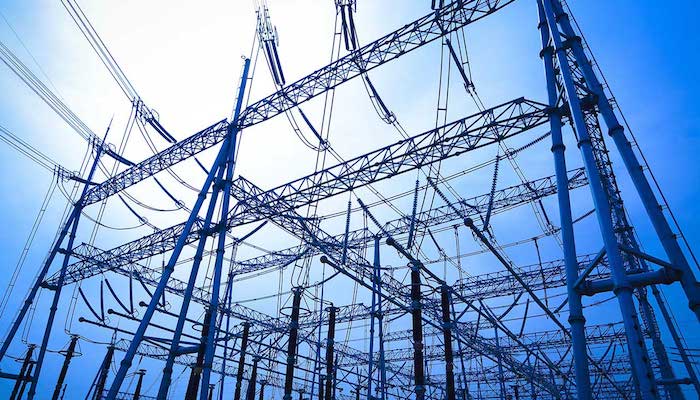
Liquidity Crisis Impacts Nigeria’s Power Supply Industry
The ongoing liquidity crisis in Nigeria’s power supply industry poses significant challenges to achieving 24-hour electricity availability. Despite substantial financial commitments, the sector continues to struggle with severe power outages that average between 10 to 20 hours daily for individuals across the nation. In fact, Nigeria generates less electricity per capita (3,331 MW) than some conflict-ridden countries.
World Bank Investment and Its Impacts
Since 2001, the World Bank has invested over $3.6 billion to address the failures within Nigeria’s power sector. This has included loans and guarantees aimed at improving infrastructure, ranging from rural solar energy solutions to high-voltage power transmission lines. Despite these efforts, the impact has been underwhelming, contributing only marginally to improved service delivery for residents and businesses alike.
Challenges for Key Stakeholders
Industrial operators, hospitals, and street vendors often rely on diesel generators to mitigate the power shortages, costing the economy an estimated $25 billion annually due to lost productivity and soaring fuel expenses. According to experts and energy lawyers, the financial state of the power sector remains largely dire, reflecting a quarter-century of inadequate reforms and financing strategies.
Structural Reforms Required
Ayodele Oni, a partner at Bloomfield Law Practice, argues that international funding often serves as a substitute for necessary structural reforms, such as implementing cost-reflective pricing and establishing well-capitalized transmission companies. He highlights that while recent legislative amendments could signal change, they will only bear fruit if the underlying economic conditions are addressed decisively.
Monitoring and Evaluation Gaps
Analyst Adetayo Adegbemure emphasizes the subpar outcomes of international funding initiatives, citing deficiencies in monitoring mechanisms during project execution. He notes that loans intended for improvements, such as metering and distribution upgrades, frequently lack rigorous oversight, undermining their effectiveness.
Market Interventions and Reforms
The World Bank’s approach shifted in 2014 with the Power Sector Guarantees Project, which aimed to attract private investment by providing guarantees to power producers. However, the sector’s structural insolvency has persisted due to political resistance to adjusting electricity tariffs to reflect actual costs. Continued calls for reform stress the importance of independent observers to foster accountability throughout the procurement process.
Long-Term Prospects and the Need for Change
Recent initiatives, including the 2023 Renewable Energy Distributed Access Scale-Up Program and additional funding for the Sustainable Power and Irrigation Project, aim to tackle energy poverty and stimulate rural economies. However, analysts like Kunle Oluyibiyo argue that financial resources alone cannot rectify deeply rooted structural issues. As the electricity sector grapples with inefficiencies and considerable distrust in procurement processes, the urgency for transformative reforms remains paramount.
