


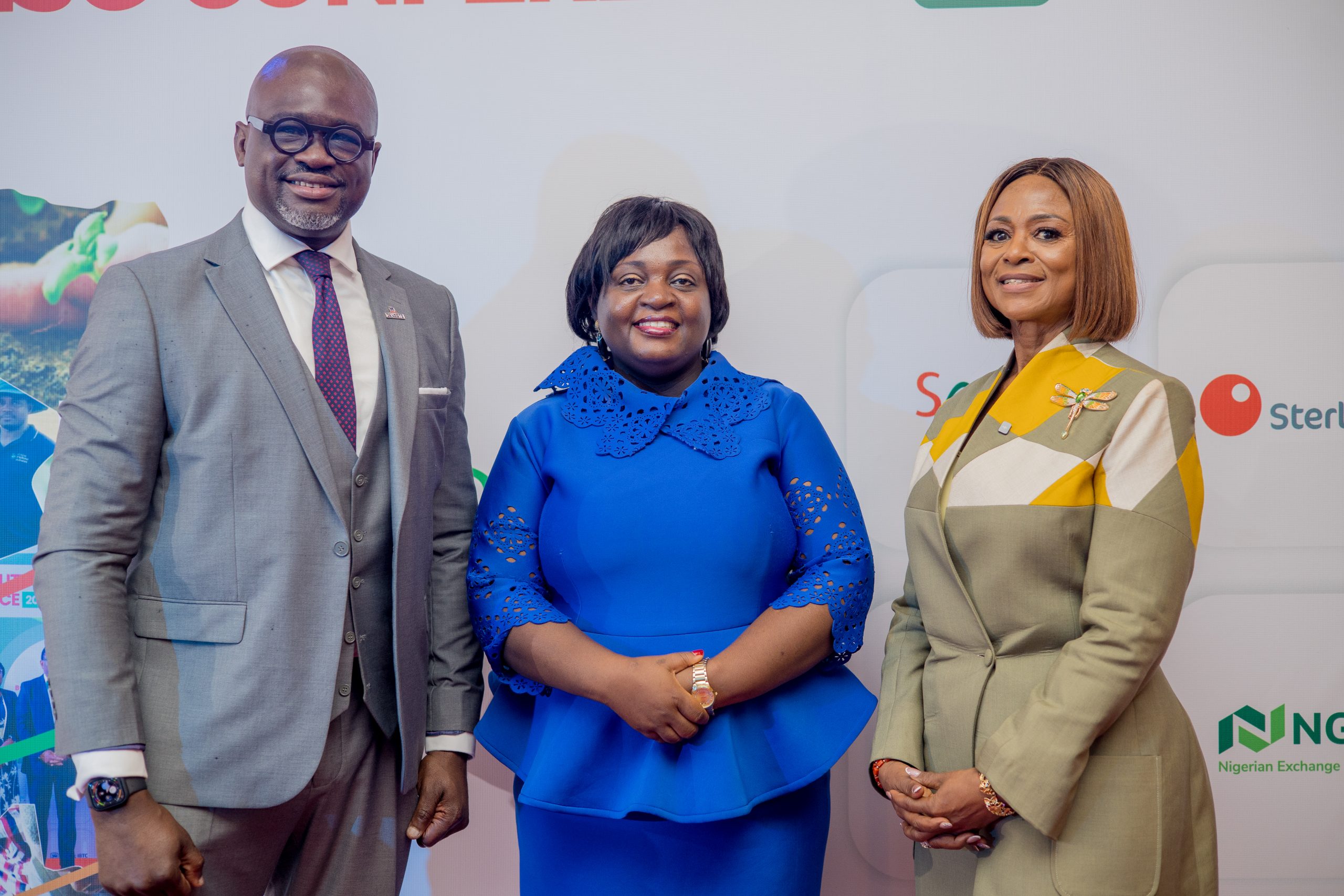
Starling Bank Enhances Commitment to Sustainable Finance through Strategic Partnership
Starling Bank is ramping up its dedication to sustainable finance and long-term economic inclusion by partnering with the Financial Institutions Training Center (FITC) for the upcoming 2026 FITC Sustainability and ESG Conference, set to take place in Lagos. This initiative aims to gather leaders from the financial sector, policymakers, and business executives to address pressing sustainability issues.
Focus on Sustainable Finance and Governance
The conference will center on expediting sustainable finance, fortifying governance frameworks, and mobilizing local capital to meet Africa’s climate and development financing requirements. By doing so, Starling Bank aims to position itself at the forefront of Africa’s green transition, facilitating industry discussions on sustainable finance and nurturing partnerships that contribute to inclusive economic growth and long-term national prosperity.
Strategic Imperatives Highlighted
Setting the stage for meaningful dialogue, Dr. Chisol Marise, Managing Director and Chief Executive Officer of FITC, stressed that climate resilience, social investment, and robust organizational governance are crucial elements in today’s landscape. These are no longer optional considerations but essential strategic priorities that require immediate action.
Call for Practical Implementation
Dr. Marise urged the leaders in attendance to transition from mere corporate reporting to actionable implementation, emphasizing that Africa’s exceptional natural resources and youthful population present opportunities for sustainable growth across generations. Responsible leadership is paramount for maximizing this potential.
Redefining Sustainability and Investment Strategies
Dr. Marise articulated that sustainability and ESG considerations are increasingly being integrated into the core of economic strategy. She explained that the conference aims to stimulate actionable solutions instead of focusing solely on discussions, with the goal of transitioning from intentions to concrete implementation and from individual efforts to collective impacts.
Transformative Role of Targeted Capital Allocation
ONE Foundation’s Chief Executive Officer, Olapeju Ibekwe, echoed the call for practical solutions by highlighting the essential role of targeted capital allocation. Ibekwe asserted that sustainable development in Africa necessitates a transformative approach to how capital is perceived and deployed, underscoring the importance of impact investing in creating scalable solutions in sectors like health and climate resilience.
Addressing Climate Finance Gaps
Philip C. Ikeazor, Deputy Governor for Economic Policy at the Central Bank of Nigeria (CBN), presented data indicating that multilateral climate change funds currently account for less than 2% of climate finance in Africa, exposing a critical need for local markets to bridge this gap. He advocated for the urgency of implementing sustainable financing mechanisms, such as green bonds and sustainability-linked loans, while encouraging financial institutions to consider long-term environmental risks in their decision-making processes.
Pushing for Sustainable Development Goals
Nigeria’s National Green Finance Strategy targets the mobilization of blended capital to help close an estimated US$171 billion climate finance gap necessary for achieving net-zero emission goals by 2060. It is essential for private institutions and charities to align their capital with measurable social benefits in a way that the broader financial ecosystem adapts to protect these investments from escalating environmental risks. This synergy between private sector initiatives and comprehensive financial policies underscores the urgent need for a regulatory landscape that fosters green capital while addressing systemic vulnerabilities in African economies.
Collaboration for a Resilient Future
The conference also emphasized the significance of strategic partnerships in reaching the Sustainable Development Goals, featuring insights from development advocates and regulators, including Dr. Rabiu Olowo, FRCN Executive Director and CEO. The collaborative spirit demonstrated at the 2026 FITC Conference resulted in a shared commitment to mobilize local capital and enact the structural reforms crucial for fostering a prosperous and resilient future for Africa.
