


UN Health Chief in DRC Amid Ebola Outbreak
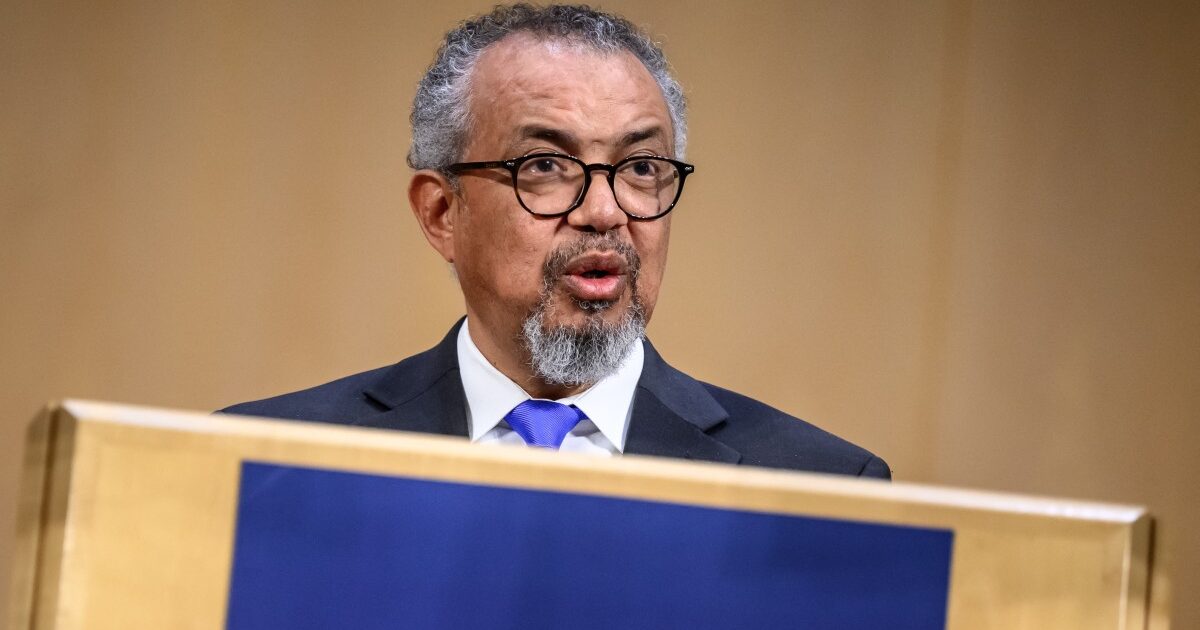
The Director-General of the World Health Organization (WHO), Tedros Adhanom Ghebreyesus, is in the Democratic Republic of Congo (DRC) to support efforts against a resurging Ebola outbreak. Upon arriving in the capital city, Kinshasa, late Thursday, he began discussions with Congolese officials before scheduling a visit to the crisis’s epicenter in Ituri province.
Ebola Cases on the Rise
Two weeks following the declaration of the outbreak, an alarming number of cases have emerged. The Africa Centers for Disease Control and Prevention (Africa CDC) reported over 1,077 suspected cases, leading to at least 246 confirmed deaths. However, the WHO cautions that the actual number of infections could be significantly higher, as the virus was likely spreading undetected prior to the official announcement.
Challenges in Containing the Virus
Health authorities, both local and international, face significant hurdles in controlling the virus’s spread. With incidents reported in three provinces and confirmed cases reaching neighboring Uganda—and one fatality within the country—it is clear that the situation is dire. The DRC’s capabilities for laboratory testing remain limited, which hampers containment efforts.
Impact of Ongoing Conflict
The DRC, home to over 100 million people, is one of the poorest nations globally and has a history of conflict driven by various armed groups, particularly in its mineral-rich eastern regions. Continuous violence has complicated the public health response, especially in areas like Ituri province, where terrorist threats and militia activities disrupt essential services.
Crowded Conditions Raise Infection Fears
Countless individuals displaced by violence are now seeking refuge in camps characterized by overcrowding and poor sanitation, raising alarm about potential Ebola transmission. Many residents of these camps, such as Dorcas Mapenzi, express grave concerns for their safety, fearing that an Ebola infection could spread rapidly. Living conditions are dire, with families often crammed into tiny tarpaulins, increasing their susceptibility to outbreaks.
Vaccine Development Progressing
No vaccine or specific treatment exists for the Bundibugyo strain of Ebola currently affecting the region. However, the Africa CDC announced that a vaccine is expected to be ready by the year’s end. Meanwhile, the WHO has initiated discussions about clinical trials aimed at assessing possible treatments, offering a glimmer of hope in the face of this health crisis.
Regional Spillover and International Alerts
The ripple effect of the outbreak has spurred neighboring countries, including Uganda and Rwanda, to close their borders with the DRC to prevent the spread of the virus. In the United States, Secretary of State Marco Rubio has reiterated the importance of maintaining vigilance against Ebola entering the country. As the international community rallies to address this escalating health crisis, the focus remains on the urgent need for effective prevention and containment measures.
