


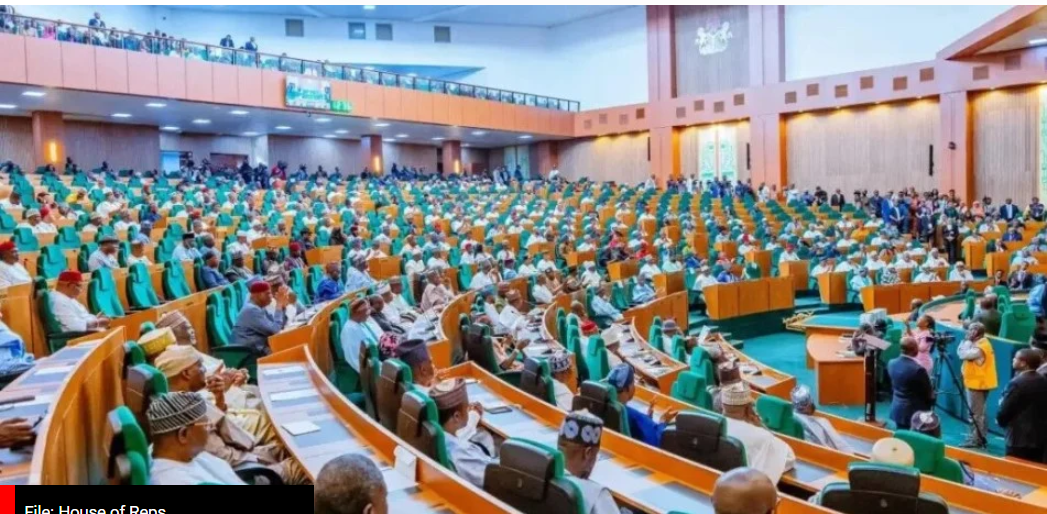
The House of Commons Evaluates Funding Structure for Development Commission Amid Industry Concerns
On Wednesday, the House of Commons South-South Development Committee reviewed a proposed funding framework for the South-South Development Commission (SSDC). This came after petroleum regulators and industry executives expressed opposition to a plan mandating companies operating in the region to contribute 3% of their annual budgets to the commission.
The concerns were voiced during a public hearing on a bill aimed at amending the South-South Development Commission (Establishment) Act of 2025. The objective of the amendment is to enhance the financial foundation of the SSDC, which plays a critical role in the region’s development.
This hearing brought together regulators from the petroleum sector, oil producers, government representatives, and various stakeholders to discuss proposed amendments and offer recommendations prior to further legislative action.
Committee Chairman Rep. Julius Pondi noted that this session was reconvened to include key stakeholders who were unable to attend the initial meeting on July 8 due to their participation in the Nigeria Oil and Gas (NOG) conference. He emphasized the strategic importance of the oil industry in the South-South and the necessity of comprehensive stakeholder input to inform the proposed legislation.
Pondi reassured attendees of the House’s commitment to a transparent and inclusive legislative process, stating that public hearings provide a platform for government agencies, industry executives, civil societies, and host communities to contribute meaningfully to the shaping of legislation.
The amendments aim to bolster the commission’s financial resources, enabling it to more effectively fulfill its mandate of promoting sustainable development across the South-South region. Despite being a major economic driver through oil production, maritime commerce, and industrial activities, the South-South continues to face significant infrastructure, environmental, and socio-economic challenges that necessitate ongoing intervention.
Regulators Voice Objections
The Nigeria Upstream Petroleum Regulatory Commission (NUPRC) expressed its position through its Chief Executive’s representative, Kingsley Chikwendu, who highlighted the need for a predictable and sustainable funding model for the SSDC. However, he raised concerns regarding the requirement for oil and gas producers in the South-South to contribute 3% of their total annual budgets.
Chikwendu pointed out that the bill lacks clarity on critical aspects, such as how to define “total annual budget”, which creates uncertainty in evaluating contributions. He also noted the bill fails to clarify important parameters—including liability assessment, deductibility of contributions, payment deadlines, enforcement, and implications for joint operations spanning multiple regions—raising the risk of imposing an expenditure-based levy regardless of a company’s financial health.
He further cautioned that upstream oil companies are already burdened with various statutory obligations, including taxes, levies for the Niger Delta Development Commission (NDDC), and environmental remediation duties. The European Commission has echoed this sentiment, urging lawmakers to thoroughly evaluate the proposed tax’s impact on production costs, investment strategies, and the competitiveness of Nigeria’s upstream oil sector ahead of any final decisions.
Business Leaders Oppose Additional Taxation
The Petroleum Producers Trade Section (OPTS) of the Lagos Chamber of Commerce and Industry also opposed the proposed tax. Chairman Bala Udiri highlighted that oil and gas operators are already making significant statutory contributions mandated by existing laws, such as payments to the NDDC and the Host Community Development Trust Fund under the Petroleum Industry Act.
Udiri warned that an additional 3% contribution would further strain operators financially, create overlapping obligations, and jeopardize Nigeria’s appeal as an investment hub in the oil and gas sector. He called for greater elucidation on the proposed funding mechanism and urged lawmakers to pursue a balanced approach that enhances the SSDC’s financial capacity without deterring investments or creating redundant financial duties.
The Nigeria Midstream and Downstream Petroleum Regulatory Authority (NMDPRA) also emphasized the importance of aligning new financing structures with the strategic goals of the Petroleum Industry Act 2021. Senior manager Ahmed Raid articulated the need for additional financial obligations to foster regulatory clarity and bolster investor confidence, supporting the federal government’s business-friendly reforms.
While the hearing concluded with consensus on the necessity to enhance the SSDC’s capacity for infrastructure and development projects in the South-South, stakeholders presented varying opinions on sustainable and effective financing models. The Committee aims to review all memos and recommendations before finalizing its report for further legislative review in the House of Commons.
