


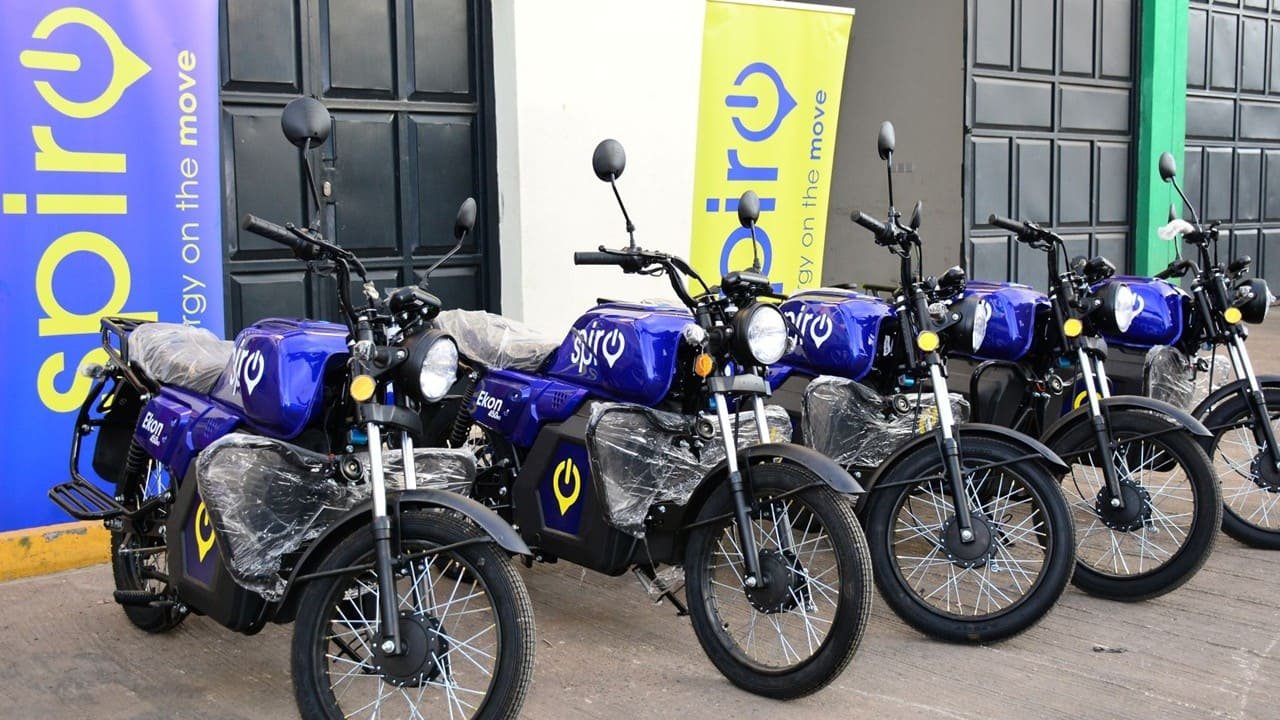
Spiro Acquires Coexrion to Strengthen E-Mobility in Africa
Spiro, an e-bike company backed by Equitan and recognized as Africa’s largest operator of e-mobility fleets, has announced the acquisition of British engineering and design firm Coexrion for an undisclosed amount. This strategic move includes a commitment to establish Africa’s first research and development center in Nairobi, leveraging Coexrion’s engineering expertise and intellectual property.
The significance of this development cannot be overstated. For years, Kenya’s e-bike market has largely relied on assembly rather than innovation. E-bikes have primarily been imported as complete knock-down kits from China, assembled locally, and distributed to boda-boda riders in areas like Kibera and Eastleigh. Unfortunately, these bikes often fail to accommodate the specific challenges posed by Kenyan roads, riders, and climate. Spiro aims to change this paradigm by collaborating with companies capable of engineering bikes tailored to the local environment.
Understanding Coexrion’s Role and Impact
Coexrion stands out as a nimble yet influential engineering consultancy with offices in the UK Midlands, India, and a presence in Kenya. The firm specializes in motorcycle and scooter engineering, focusing on chassis and frame development, reliability engineering, battery systems, and industrial design. Their track record includes involvement in electric vehicle programs for reputable brands such as Ather Energy, Ola Electric, and Arc Vehicle. The experience of Coexrion’s founders and senior staff stems from esteemed companies like Triumph and Hero MotoCorp.
This acquisition does not involve a factory or battery patents; rather, Spiro is gaining access to a team well-versed in turning electric bike concepts into realities while navigating the engineering challenges that arise along the way. Given India’s status as the world’s largest two-wheeler market, Coexrion’s engineers bring invaluable insights into the cost, durability, and ride quality considerations that are critical to the African market.
The current limitations in Kenya’s electric vehicle sector stem from a reliance on imported business models. As noted during a rider protest against Spiro last December, even the largest players in e-mobility are mostly dependent on foreign hardware and software, with minimal local engineering input. Addressing this gap is essential for the growth of Kenya’s electric vehicle landscape.
The Purpose of the New R&D Center
The newly established R&D center in Nairobi represents more than just a marketing initiative. It will serve as a testing ground for battery packs designed to withstand the heat of Mombasa and the challenging road conditions of Teshima. Load-testing for chassis will be a priority, ensuring they can handle two passengers along with cargo. Additionally, firmware will be customized to display in Swahili and optimize throttle response for urban commutes rather than designed for fast highways.
Spiro’s founder, Gagan Gupta, has articulated a clear vision for this initiative, emphasizing the ambition to not only manufacture in Africa but also to progressively develop in-house engineering and design capabilities. However, he has withheld specifics regarding timelines, budgets, and partnerships with local universities or government entities.
Evaluating the Financial Landscape
Spiro’s strategic acquisition is underpinned by scale. The company claims to have over 100,000 electric bikes active in Africa and operates 2,500 battery swapping stations across six nations: Kenya, Uganda, Rwanda, Nigeria, Togo, and Benin. A new assembly plant on Mombasa Road is scheduled to open in 2024, aiming for an annual production capacity of up to 50,000 electric bikes. Although some figures may seem ambitious, they align with the company’s growth projections.
The company is also set to capitalize on the burgeoning electric vehicle market in Kenya, which remains in its nascent stages. According to the Electric Mobility Association of Kenya (EMAK), by the end of 2024, there were around 14,570 registered electric vehicles, with 8,097 of those being electric bikes. Projections by the Ministry of Road Transport and Tourism suggest this figure will rise significantly by 2025, fueled primarily by boda bodas, the prevalent form of transport in urban areas.
Indicators of Genuine Change
To assess whether Spiro’s acquisition leads to meaningful advancements, several indicators will be crucial. First, will Spiro apply for local patents and product designs developed in Nairobi? Genuine R&D should result in new intellectual property, which is publicly recorded. Secondly, will the company actively hire Kenyan engineers instead of merely importing team members from Coexrion under the banner of African innovation? Real research facilities require a strong, locally sourced talent pool.
Finally, will the bikes engineered in Nairobi find their way to riders, effectively addressing previous complaints around battery malfunctions and business practices? A robust R&D center must tackle not just hardware developments but also tackle the accompanying software and business models. As the largest electric mobility operator on the continent, Spiro’s ambition to re-establish design and engineering capabilities within Kenya is long overdue. The ultimate test will be the successful launch of the Nairobi center, its staffing decisions, and the outcomes it achieves.
