


The Value of Herbal Medicine in Modern Times
Herbal medicine is not merely an ancient pharmacopoeia awaiting rediscovery; it represents a comprehensive healing system intricately interwoven with cultural traditions, spiritual significance, and an intimate understanding of the natural world. This complex form of traditional healing predates modern medicine’s arrival with its laboratories, exact measurements, and sterile attire.
Generational Wisdom and Healing Practices
The knowledge of sacred plants and their therapeutic properties has been meticulously transmitted through generations—passed from teacher to student through careful observation and experiential learning. This understanding extends beyond mere book knowledge; it comes from closely observing the growth cycles of plants, their responses to weather conditions, and the precise methods of harvesting and preparation. Such mastery requires patience, discipline, and a deep respect for the environment.
Lessons from a Grandmother’s Garden
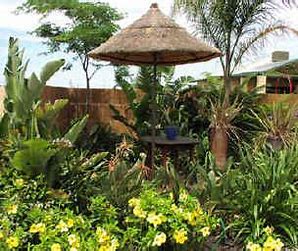
My grandmother was fluent in this language of plants. Rising at dawn, she would stroll through her garden, harvesting Ewe Abamoda, a plant that opens to the morning breeze and provides relief from kidney stones and stabilizes blood sugar levels. She displayed a unique reverence for nature, talking to plants as if they were companions, thanking them before carefully selecting only what she needed. Her morning excursions included gathering medicinal ferns, guava and pawpaw leaves, dried Jericho plants, and corn silk, all considered beneficial for humanity.
Crafting Remedies with Precision
I watched in awe as my grandmother mixed barks, roots, and seeds—her technique akin to that of an apothecary. The aroma of boiling herbs, pungent leaves, fermented barks, ginger, and garlic often permeated our home. Remedies were abundant: a scented leaf for digestive issues, dogonyaro for malaria, boiled guava leaves for diabetes, and a concoction of crushed ginger, garlic, and turmeric for seasonal coughs. Every aspect of her craft was purposeful; she understood which plants should not come into contact with metal and how the potency of remedies could diminish as the day wore on.
A Lifeline During Emergencies
In moments of crisis when modern medicine fell short, the community would often turn to her. I remember vividly a neighbor’s son suffering an epileptic seizure—his mother frantically sought help. My grandmother, composed, took the boy in her arms and retrieved one of her many black bottles, administering a measured dose before gently rubbing the mixture on his chest. Remarkably, he stabilized within minutes. This experience was a profound illustration of her calming presence and efficacy in holistic healing.
A Personal Connection to Healing Traditions
Individuals traveled from near and far, seeking solutions for various ailments—infertility, diabetes, joint pain—and even we, her grandchildren, inevitably partook in her bittersweet concoctions every Sunday. Although we grimaced at the taste, my grandmother watched with satisfaction, believing that our robust health validated her methods. At the time, I was somewhat ambivalent, regarding her practices as a quaint hobby. Despite her resilience, my father insisted on regular modern check-ups for her health, reflecting the prevailing preference for Western medicine, which had gained prestige in the post-independence era.
The Rebirth of Interest in Herbal Medicine
Today, a growing recognition of the value of herbal medicine is emerging. Modern science is progressively validating what indigenous cultures have known for centuries: numerous healing compounds originate from nature. Globally, more people are gravitating towards herbal remedies for health maintenance and prevention. Familiar plants like hibiscus, known as zobo, are now viewed as therapeutic solutions. Once dismissed as mere local remedies, these natural products are being marketed as wellness offerings at premium prices.
A Call for Balance in Healing Approaches
This resurgence does not exempt herbal medicines from scrutiny; like pharmaceutical therapies, they require careful consideration and knowledge. The potential for misuse exists in both traditional and modern practices. The future of healing may lie in an integrative approach that values both systems, rather than a stark division between them. Reflecting on my grandmother’s wisdom—her confidence, appreciation for nature, and the carefully organized remedies in her home—reminds me of the tragedy in neglecting this invaluable knowledge.
It has been over twenty-five years since my grandmother passed, and I regret not taking the time to sit beside her and fully absorb her teachings. My earlier indifference to her craft can be equated to forsaking a treasure trove of wisdom. Today, I realize that in moving away from these traditions, we have turned our backs on an essential connection to the earth. Many generations later, we find ourselves striving to relearn what has long been known.
Omolola Olakunri wrote from Abuja.
