


Trump Administration Considers Selling Immigrant Holding Facilities
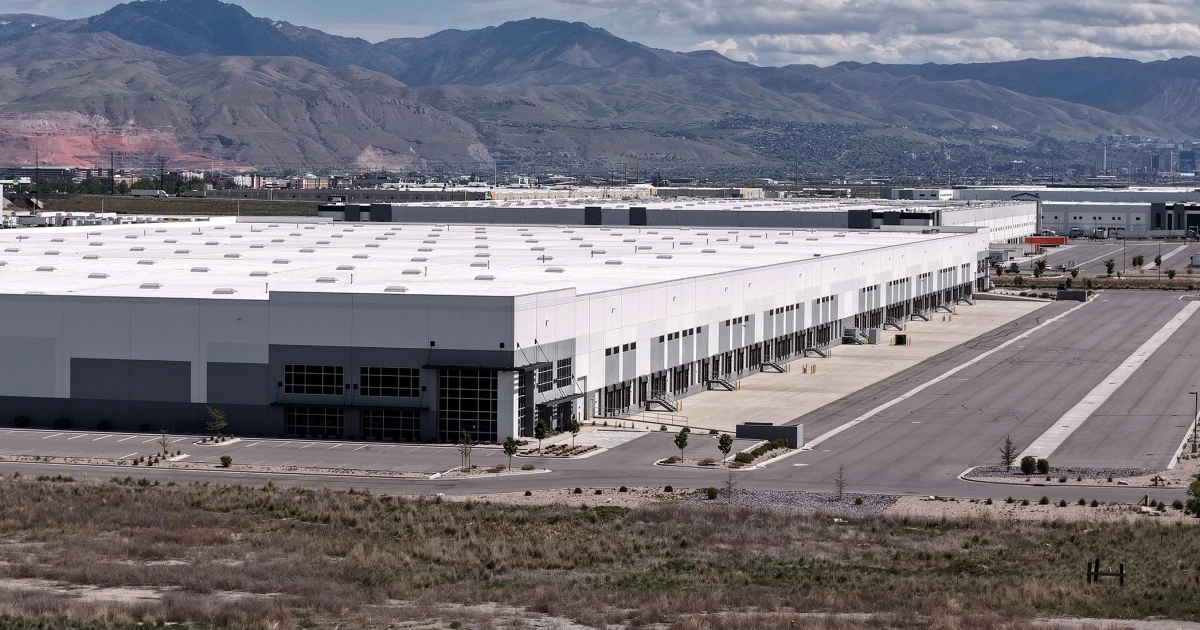
WASHINGTON – The Trump administration is exploring the possibility of selling a portion of a large warehouse acquired earlier this year by Immigration and Customs Enforcement (ICE). This facility was initially intended to serve as a major holding center for immigrants, as reported by two officials from the Department of Homeland Security (DHS).
Potential Sales of Newly Acquired Warehouses
DHS and ICE officials have pinpointed several of the 11 warehouses recently purchased, with plans to potentially house as many as 8,000 immigrants. However, according to officials, these facilities have yet to be listed on the market, and no final decisions regarding their sale have been reached.
Background of the Warehouse Purchases
The warehouses were acquired under the direction of former Homeland Security Secretary Kristi Noem as part of a broader initiative to increase the capacity for detaining up to 100,000 immigrants nationwide. This effort supplementarily expands upon existing facilities that can already accommodate tens of thousands of migrants, with the total expenditure for these warehouse purchases surpassing an estimated $38 billion.
Evaluation of Aircraft Acquisitions
In addition to the warehouses, DHS officials indicated that ICE is contemplating the sale of several aircraft, including a luxury Boeing 737 Max 8 that was either purchased or leased during Noem’s tenure. Historically, ICE has relied on chartered planes for deportations, making this acquisition the first of its kind for government-owned deportation aircraft. Nonetheless, no final decisions have been made regarding these aircraft.
Shifts in Immigration Enforcement Strategy
The discussions surrounding the potential divestiture of assets acquired for President Donald Trump’s mass deportation strategies reflect a shift in culture within DHS since Secretary Markwayne Mullin assumed leadership. Recent events, including the tragic shooting deaths of two Americans during an immigration raid in Minneapolis this past January, have prompted Trump to advocate for a “softer response” in immigration enforcement.
DHS Responds to Changing Needs
Officials within DHS have expressed that ICE’s necessity for the capacity to detain 100,000 immigrants is no longer applicable. In addressing queries about the potential sale of these warehouses, a DHS spokesperson stated, “Under new leadership, the Department is evaluating all resources to maximize efficiency and fulfill President Trump’s mission to protect the homeland for all Americans.”
Concerns from Local Communities
The establishment of so-called mega-warehouses has garnered significant public attention, often resulting in protests at proposed construction sites across the nation. This contentious issue has divided communities over whether these facilities create jobs or strain local economies. Even within the Republican party, there have been dissenting voices, with some opposing the construction of ICE warehouses in their districts. The state of Maryland successfully filed a lawsuit to prevent ICE from constructing a warehouse near Hagerstown, while Senator Roger Wicker (R-Mississippi) criticized plans to convert a facility in Byhalia, Mississippi, into a detention center.
Assessing Market Value and Community Impact
If ICE proceeds with the sale of its warehouses, their market value will likely be scrutinized. The DHS Inspector General is currently conducting an audit to determine whether ICE’s acquisition of these properties met its need for new detention space in a cost-effective manner. Recently, Social Circle, Georgia—a suburb of Atlanta—filed a lawsuit alleging that ICE paid more than five times the property’s previous appraised value, further complicating the future of these facilities.
