


Nigeria’s Governors Urge Increase in Minimum Wage Amid Economic Pressures
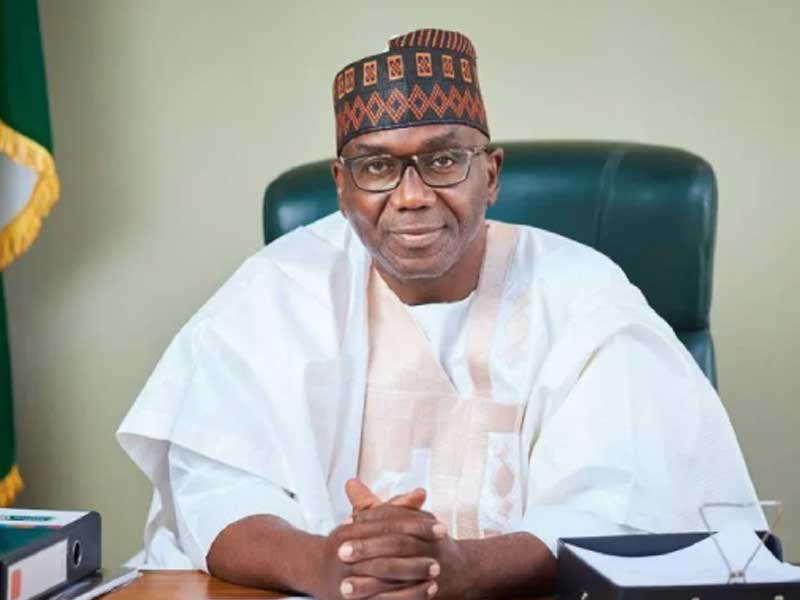
The Nigeria Governors Forum (NGF) has urged President Bola Tinubu to consider raising the national minimum wage from N70,000 to N100,000. This appeal was made by NGF Chairman and Kwara State Governor, Abdulrahman Abdulrazaq, during a meeting at the Presidential Palace in Lagos, where state governors gathered with the President.
Abdulrazaq shared insights regarding the lead-up to Tinubu’s decision to end fuel subsidies in 2023. Before the policy change, governors had deployed security forces and convened emergency councils, anticipating a potential surge in public unrest. Contrary to their expectations, however, the removal of subsidies did not provoke a single protest. The discussion occurred during a celebration marking Salah and Tinubu’s third year in office.
In a video posted on his Facebook, Abdulrazaq articulated that the call for a N100,000 minimum wage stems from soaring inflation and the rising cost of living, which have placed additional economic strain on Nigerian workers. He also commended President Tinubu for his “courage” in phasing out the fuel subsidy, emphasizing that only a small fraction of politicians possess the resolve to make such difficult choices.
The Kwara State Governor expressed his surprise at the public’s response to the subsidy removal, noting that the governors had anticipated significant unrest. “We were expecting serious riots due to past experiences, yet nothing transpired that day. It seems the nation was taken aback by the President’s audacity,” he stated. He added that, as a result, the nation is now experiencing considerable benefits stemming from that bold decision.
Abdulrazaq mentioned that, following salary payments and federal allocations, his state is left with between N100 million and N200 million in surplus. He noted that state governments have significantly reduced reliance on debt and bonds to finance salaries and projects. He emphasized the need for collaborative efforts with the federal government and trade unions to establish a sustainable pay structure that balances worker welfare with fiscal responsibility.
The urgency to enhance worker welfare amid challenging economic conditions is not lost on the state government, according to Abdulrazaq. Ongoing consultations aim to create a new wage system that does not overburden state finances. “We are committed to finding a fair pay structure for workers while ensuring that the government remains capable of delivering essential services and infrastructure,” he explained.
Abdulrazaq underscored the goal of improving workers’ living conditions while preserving the state’s ability to carry out vital development projects. He noted that many states are currently paying at or above N100,000, even though the national legal minimum remains at N70,000. The NGF chairman urged the President to engage in discussions about adopting a higher minimum wage, expressing confidence in garnering support for this initiative.
In June 2024, President Tinubu had previously approved increasing the minimum wage from N30,000 to N70,000, following the assent to the National Minimum Wage Law. This law mandates that the minimum wage be reviewed every three years. The former minimum wage of N30,000 had been set by former President Muhammadu Buhari in 2019.
