


Shifting Attitudes in Africa’s Job Market
Many individuals with a social media presence in Africa are familiar with a recurring scenario: unsolicited messages from strangers requesting assistance with tuition, medical bills, or rent. This phenomenon has become so commonplace that most people now scroll past these messages without a second thought.
Opportunities in Plain Sight
Recently, I shared an Instagram story about a sales position at my company, which garnered nearly 500 views. Out of this wide audience, only two individuals expressed interest, and only one submitted a resume. I pondered over this response because I know that many among those viewers are struggling to find employment. Despite my invitation, most opted to continue scrolling, even when a genuine opportunity was available.
Identifying the Attitude Gap
This situation is not a narrative on laziness; rather, it unveils a more complex issue often unaddressed in skills assessments and labor reports. I refer to it as the “attitude gap,” highlighting the growing disconnect between the opportunities available and the willingness to cultivate essential traits such as character, humility, and a strong work ethic to seize them.
Nigeria’s Tech Talent Shortage
Recently, Nigeria’s tech landscape was stirred when Tosin Eniolorunda, CEO of Moniepoint, disclosed that the company faces challenges in filling 500 vacancies projected for 2025, despite its commitment to hire exclusively within Nigeria in 2024. While frustration was palpable, this reality resonates with my own experiences, shedding light on a larger issue that requires additional context.
The Skills-Not-Enough Dilemma
The conventional discourse surrounding Africa’s workforce issues primarily revolves around the skills and employment gaps, both of which are well-documented by various organizations, including the ILO. However, what often goes unnoticed is the underlying attitude that influences these skills. While it’s possible to train someone in data analysis, instilling a sense of preparedness and a proactive approach to internships proves to be far more challenging.
Examples of Divergent Paths
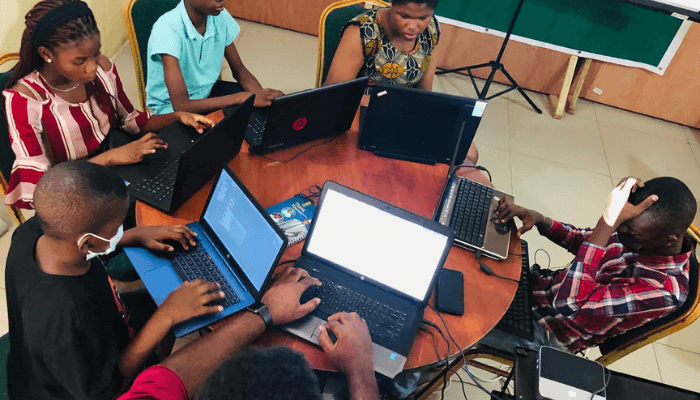
This principle is exemplified in the talent development programs we sponsor. Two recent graduates underwent the same training and received identical benefits. One leveraged her qualifications as a trained data analyst to secure an internship, merely doing just enough to fulfill the role. In contrast, the other viewed every task as an opportunity for growth. He took initiative, identified challenges, and built relationships, leading to a job offer significantly above his starting salary before his internship concluded. The same opportunity, yet completely divergent outcomes stemmed from differences in attitude.
Employer-Employee Dynamics Matter
A frequent rebuttal from early-career professionals is, “If no one acknowledges my achievements, why should I go above and beyond?” While valid, this perspective can hinder professional growth. The dynamics of the workplace also play a critical role; many local businesses in Africa tend to underpay skilled talent, driving them to seek opportunities abroad, including remote work and higher education. Yet, these companies often lament the scarcity of qualified local professionals, even as they invest significantly in foreign hires while neglecting local talent development.
A Call for Mutual Accountability
It is vital to recognize that attitudinal gaps do not exist in a vacuum. Employers cannot expect commitment from underpaid employees, nor can they be surprised when talent departs or never materializes. Eniolorunda’s concerns reflect a wider issue that requires introspection from founders. Both job seekers and employers share responsibility for bridging these attitude gaps. Employers need to foster environments that are appealing and worth aspiring to, while job seekers must actively pursue opportunities presented to them.
Reimagining the Talent Crisis in Africa
The talent crisis in Africa is systemic and cannot be resolved by blaming any single entity. Fair compensation and investment in employee development are essential to retain local talent. As AI technologies further amplify existing disparities, policies focused on nurturing human resources become imperative. Job seekers must also engage in self-reflection to understand the extent to which the issues may lie within themselves or the broader environment.
Emphasizing Attitude Over Skills
The young professionals in my internship program did not wait for ideal circumstances to act. They embraced personal accountability, showcasing a mindset that is often rarer than any technical skill sought in recruitment. This emphasis on attitude may be the crucial discussion we have yet to fully explore.
Mr. Acheampong is a 2026 Public Voices Fellow with Acumen and The OpEd Project and the founder of Blossom Academy, dedicated to equipping African talent with data and AI skills to enhance income and assist companies in adopting data-driven practices.
