


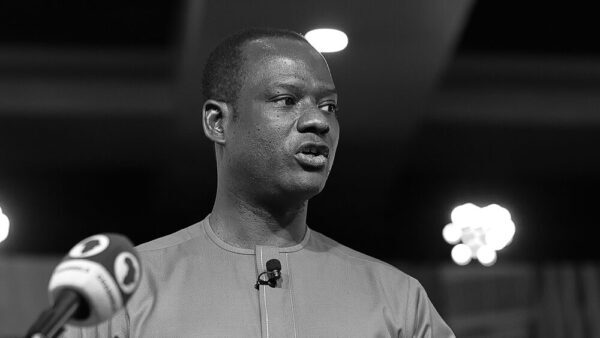
Minister Highlights Inevitable Economic Instability Post-Reform
Taiwo Oyedele, the Minister of Finance and Coordinating Minister for the Economy, has stated that economic instability is an unavoidable consequence of the recent removal of petrol subsidies and reforms in the foreign exchange market. During a recent interview with African Report, Oyedele articulated the necessity of these reforms to rectify long-standing economic distortions attributed to subsidies.
Addressing Historical Economic Distortions
According to Oyedele, previous years of fuel and foreign exchange subsidies had created significant economic imbalances. “Reflecting on our situation three years ago, we recognize that we faced numerous economic distortions primarily driven by fuel and currency subsidies,” he explained. This historical context underscores the government’s commitment to implementing reforms aimed at creating a more stable economic environment.
Short-Term Challenges Anticipated
As these reforms take effect, the government acknowledges potential short-term repercussions, including higher fuel prices, increased transportation costs, and elevated inflationary pressures. Oyedele warned that removing subsidies will lead to a surge in fuel prices, which will inevitably impact logistics and overall price stability.
Shift Towards Economic Growth
Despite these challenges, Oyedele expressed optimism, asserting that the economy has largely navigated the initial adjustment phase and is now poised for growth. Recent economic indicators suggest an improving landscape, marked by a reduction in inflation rates, greater stability within the foreign exchange market, and moderate economic expansion. “Inflation is moderating, the exchange rate is stable, and we are witnessing growth, albeit at a gradual pace,” he noted.
Geopolitical Pressures and Economic Priorities
Oyedele acknowledged that recent geopolitical developments could exert additional economic pressures, yet he emphasized that the government’s focus remains on translating ongoing reforms into tangible benefits for the economy. Investments in critical sectors such as electricity, infrastructure, and skills development are essential for sustaining this growth trajectory. Moreover, initiatives aimed at improving the overall business environment are set to continue.
Enhancing Tax Compliance Efforts
In addition to addressing economic growth, Oyedele highlighted the government’s commitment to strengthening tax compliance. “We are dedicated to implementing a compliance system that employs enforcement mechanisms rather than relying solely on voluntary contributions,” he stated. This approach aims to mitigate the influence of significant tax evaders entrenched within Nigeria’s political economy, reinforcing the principle that no individual should be exempt from legal obligations.
Targeted Measures for Revenue Improvement
Oyedele elaborated on recent measures designed to target multinational corporations, operators of special economic zones, government agencies, and affluent individuals. These initiatives are part of a broader strategy to enhance revenue collection and fortify public finances. The minister reiterated the government’s commitment to deepening reforms, ensuring that the positive impacts of macroeconomic stability will be felt by businesses and households across Nigeria.
