


Written by Michael Duell, CT Mirror
July 17, 2026
The Impact of Immigration Fear on Patient Experiences
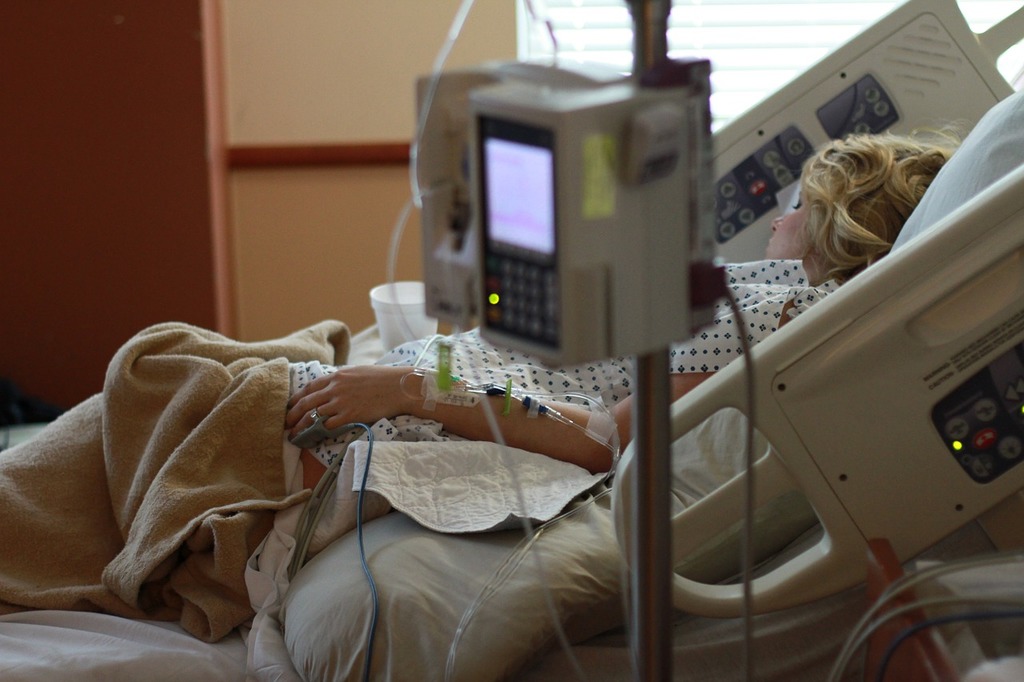
A woman’s third-trimester miscarriage was exacerbated by significant bleeding, leading doctors to anticipate a prolonged hospitalization. In the aftermath of her loss, her focus quickly shifted from the medical particulars to the emotional turmoil she was experiencing.
In a heartbreaking turn of events, her employer terminated her while she was confined in the hospital. Faced with the loss of her income, she became increasingly anxious about her ability to afford mounting medical bills. Compounding her distress, she had lost contact with the child’s father and had no immediate family nearby. While her relatives resided overseas, the thought of visiting them filled her with dread, as she feared she might not be permitted to return to the United States.
A Volunteer’s Unexpected Encounter with Grief
During a busy day at a Connecticut hospital, a nurse asked me—an undergraduate volunteer—to spend some time with her. My usual responsibilities involved stocking supplies, transporting patients, and cleaning rooms, but I was ill-prepared for the depth of grief and uncertainty I would encounter during this visit.
With no formal training in grief counseling, reproductive loss, or crisis communication, I simply listened as she shared her pain. Her medical record offered no insight into the emotional weight she carried, yet she chose to confide in me, a volunteer with little more than a basic understanding of patient care.
Navigating Immigration Concerns in Healthcare Settings
I had expected to assist with logistical tasks, yet I found myself grappling with questions regarding immigration law—questions I was neither equipped nor authorized to answer. In that vulnerable moment, all I could offer was my presence and a puzzle game on her bedside table.
Her fears mirrored alarming statistics: nearly one-third of Connecticut residents are anxious that they or someone they care about may face deportation or have their immigration status jeopardized. Among those who harbor such fears, 14% have avoided medical care or know someone who has done so. These figures illustrate the very real anxiety that patients contend with as they enter healthcare settings.
Legislative Changes and Patient Trust
In January 2025, the Department of Homeland Security rescinded long-standing directives that had limited immigration enforcement in sensitive locations, including hospitals, where individuals could receive care without fear. In response, Connecticut lawmakers have explored the establishment of designated safe zones within medical facilities to ensure that patients can seek the care they require without fear of detection.
For my patient, the space that should have provided solace for treating her post-miscarriage symptoms felt perilously close to the reach of immigration enforcement.
The Role of Volunteers in Supporting Vulnerable Patients
Her story highlights a troubling reality: when hospitals no longer feel like safe spaces for immigrant patients, the dynamics of trust begin to change significantly. Doctors, nurses, and social workers function within a framework defined by documentation and mandated reporting, creating a climate that can feel intimidating for those already on edge about their legal status.
Although volunteers play a supportive role within the healthcare system, we often lack the authority and training to address the complex emotional and legal issues patients face. This disparity can deter vulnerable patients from seeking help from appropriately trained professionals, which is both troubling and potentially harmful.
The Need for Preparedness and Support for Volunteers
While hospitals benefit from having volunteers assist patients during trying times, many volunteers find themselves unprepared for the emotionally charged situations they encounter. The gap in support isn’t merely emotional; it can influence what vital information reaches clinicians and what concerns remain unspoken.
Connecticut hospitals do not require volunteers to act as immigration attorneys or grief counselors, but it is essential that they are equipped to navigate the kinds of challenging conversations that arise. Clear guidance on handling discussions tied to immigration fears, as well as connections to social workers and legal resources, is critical.
Moreover, compassionate listening remains a crucial skill. When patients feel isolated, having someone to talk to can make a significant difference. While psychological support doesn’t necessitate medical expertise, preparations are essential, especially in an environment where patients increasingly worry about their legal safety.
Compassion is undeniably vital, yet it alone cannot sustain a healthcare system increasingly affected by immigration crackdowns. If hospitals in Connecticut expect volunteers to provide comfort during patients’ most vulnerable moments, they must ensure volunteers are well-prepared to meet those needs.
Michael Duell of New Haven is a student at Yale University.
