


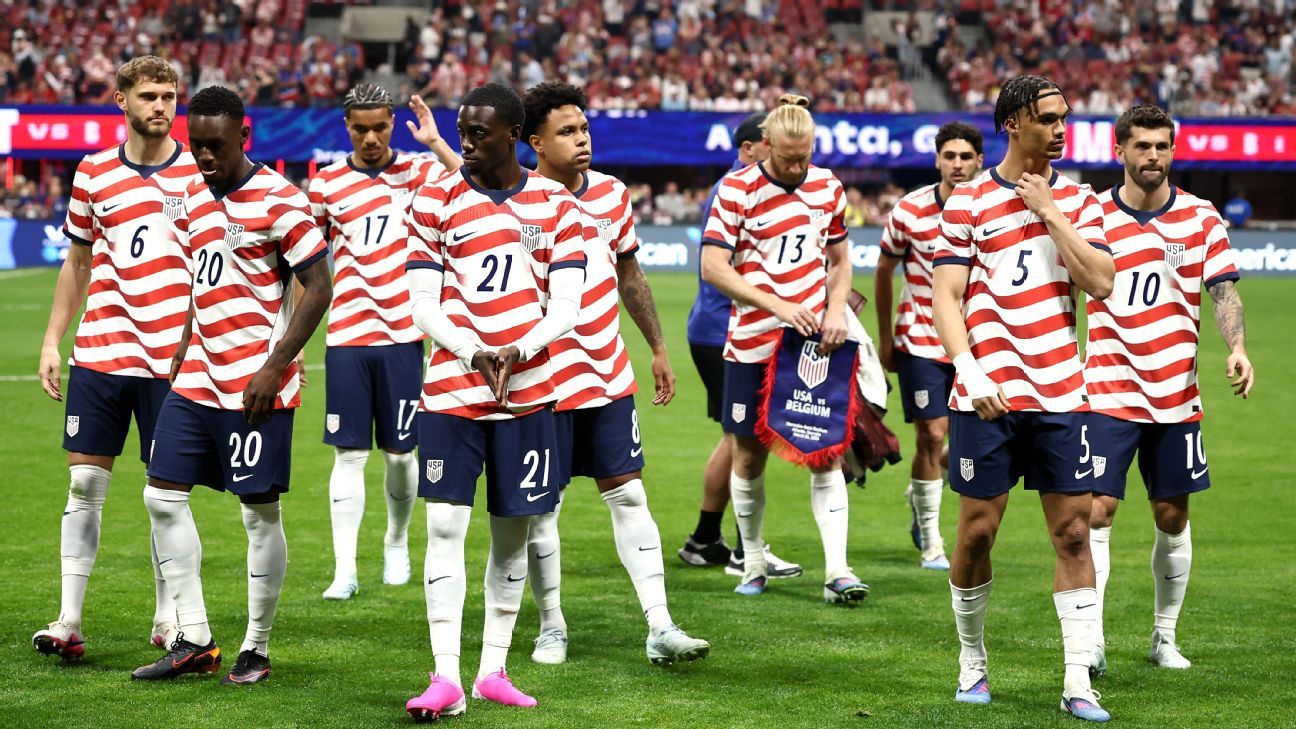
The 2026 FIFA World Cup is just around the corner, promising a record-breaking 39 days filled with 103 matches, culminating in one third-place game to crown the world champion.
With high stakes at play, the U.S. men’s national soccer team (USMNT) is set to play a series of friendly matches in preparation for the tournament—focusing on two key encounters against Senegal on May 31 and Germany on June 6.
While the outcomes of these matches won’t earn the team any points, they serve a crucial purpose leading into the official group stage, which kicks off against Paraguay on June 12 near Los Angeles.
Motivations Behind Pre-World Cup Friendlies
The rationale for these friendlies is clear: the national team’s preparation is sanctioned by FIFA. Opportunities for national teams to gather are limited, with only five international match slots available in 2025 and just two allocated for 2026 until this summer.
This scarcity underscores the enthusiasm from sponsors, performance staff, and coaches alike to stage these matches, creating a backdrop of increased financial and operational stakes for federations globally.
Financial Implications of Friendlies
National teams are heavily invested in securing sponsorship and media deals, making these friendlies more than mere exhibitions. The match against Senegal, branded as the “Allstate Continental Classico,” will be broadcast across platforms linked to lucrative rights agreements, with U.S. Soccer reportedly garnering approximately $25 million in English-language television rights fees.
These pre-World Cup encounters serve not just as practice but also as vital revenue streams, supporting the infrastructure for senior national teams and their extensive training and competition costs.
The Players’ Perspective
For athletes participating in Europe’s top leagues, the World Cup occurs during their off-season. For instance, Folarin Balogun, a projected starting striker for the USMNT, concluded his season with AS Monaco on May 17, creating a lengthy hiatus before the World Cup match schedule.
Friendlies facilitate a resurgence in competitive intensity, vital for athletes’ mental and physical readiness. The Aspetar Sports Medicine Journal highlighted that national team athletes arrive with diverse training backgrounds, making these matches essential for coaches to assess player condition and performance under pressure.
Strategic Objectives for Upcoming Friendlies
As Pochettino prepares the team for matches against Senegal and Germany, several key areas demand focused attention. First on the list is identifying a preferred midfield combination. The unexpected exclusion of Lyon’s Tanner Tessmann opens doors for other midfielders, including Tyler Adams, to solidify their positions.
Secondly, the USMNT must evaluate potential partners for Christian Pulisic in attack. Given McKennie’s dual role in midfield, a spot opens up for other forwards like Malik Tillman or Gio Reyna to step up, adding complexity to the tactical setup.
Player Evaluations and Tactical Adjustments
With five dedicated center-backs being called up, the team must prepare contingencies for Tim Ream’s possible absence, owing to age-related performance concerns. Testing alternatives against high-caliber teams like Germany will provide critical insights ahead of the World Cup.
Finally, the successful reintegration of Sergiño Dest into the lineup can offer new tactical dimensions. His versatility as both a right-back and right-winger presents the USMNT with fresh strategies, especially as they face defensively robust opponents in the group stage.
Moreover, enhancing their press tactics will be essential. The USMNT’s aggression in high-pressing situations has had mixed results, so fine-tuning these strategies against renowned teams will be vital ahead of the tournament.
