


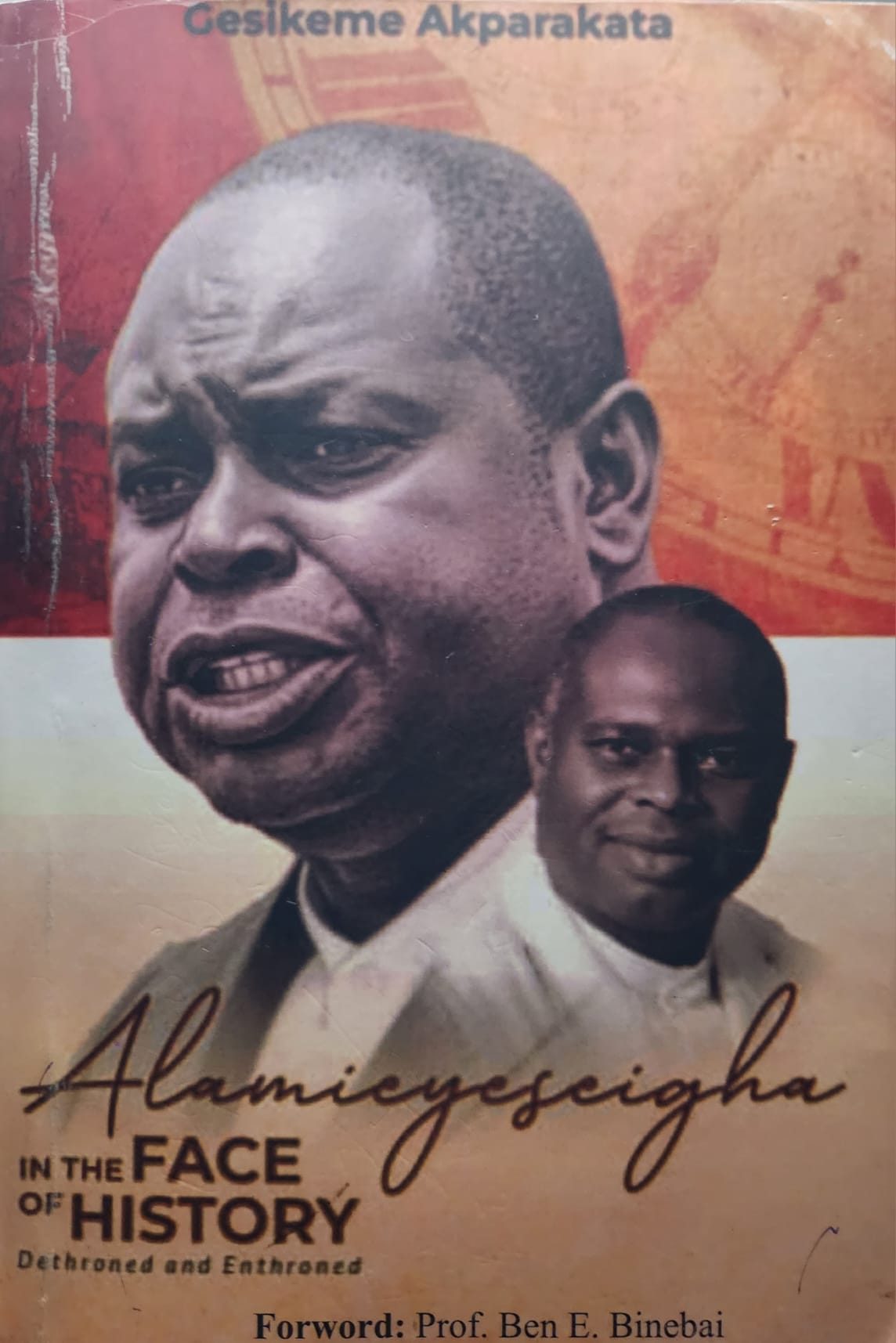
Alamieseiga and the Weight of History
In 2026, Gesikeme Akparakata released “Alamieyeseiga Facing History,” a poignant exploration set against a backdrop of turmoil faced by the Ijaw people of Nigeria. This community, long marginalized, finds itself grappling with profound challenges, particularly highlighted by the plight of key figures such as Henry Emotimi Oka. Once a prominent leader advocating for Ijaw rights, Oka is now a prisoner of war in South Africa, alongside his brother Charles, who is serving a life sentence in Nigeria. Meanwhile, Timipre Silva faces charges linked to an alleged coup plot against Nigeria’s President Bola Ahmed Tinubu. The political landscape is further complicated by the ongoing trial of Diezani Alison-Madueke, Nigeria’s first female petroleum minister, at Southwark Crown Court in the UK, widely perceived as a politically motivated effort to hinder her former boss, Dr. Goodluck Ebele Jonathan, from contesting the upcoming presidential election.
The Harsh Realities of the Niger Delta
Readers should consider the challenging environment that shapes Akparakata’s narratives. Hailing from the Niger Delta, a region defined by its rich natural resources and vibrant ecosystems, he also describes the area’s persistent struggles. The Ijaw territory, characterized by sprawling mangrove forests and fertile soil, is not immune to the devastating impacts of climate change; seasonal flooding has increasingly disrupted the lives of its inhabitants. Akparakata, who witnessed significant flooding in 2012, describes the despair that ensued as residents were forced from their homes, a testament to the ongoing crisis exacerbated by both environmental and political factors.
The Paradox of Abundance and Misery
Despite possessing some of the world’s largest oil and gas reserves, the Ijaw community struggles with the paradox of resource wealth that has become a source of conflict rather than prosperity. Ongoing disputes over mineral wealth with both internal and external parties have subjected the Ijaw people to unrelenting resource wars since Nigeria’s independence. These struggles highlight Akparakata’s assertion that the very resources meant to foster economic growth have instead entrenched systems of oppression that continue to harm the Ijaw people.
Calls for Justice and Recognition
Akparakata remains resolute in his belief that the systemic injustice faced by figures like Alamiyeseiga reflects ongoing efforts to silence Ijaw nationalists. Advocating for their protection, he notes that Aijau intellectuals are pursuing a class action lawsuit against the Nigerian state concerning resource management and governance concerns, including the controversial Nigeria-Morocco Gas Pipeline. The Ijaw Nation Forum (INF) also plays a critical role, actively demanding the release of the Oka brothers, illustrating the broader fight against oppression faced by the Ijaw people.
Art, Music, and Historical Narrative
Akparakata’s work resonates with the broader narrative found in the writings of militant black authors who emphasize cultural identity and historical consciousness. He draws inspiration from Ijaw folk music, illustrating how art serves as a vehicle for societal transformation and liberation. In his argument, music transcends mere entertainment; it embodies a powerful vehicle for expressing pain, resistance, and the quest for freedom, asserting that creative expression is as crucial as political action in the fight for justice.
Examining Leadership in Crisis
The biography of Alamieyeseigha stands as a testament to leadership amid adversity. Akparakata portrays Alamieyeseigha as a cultural icon who risked his life for his people during times of crisis, such as intervening in conflicts between the Ijaw and neighboring communities and negotiating the safe release of hostages taken by militants. His portrayal emphasizes that effective leadership requires courage and a deep commitment to the welfare of one’s community, especially in times of profound strife.
Engaging with the Legacy of Black Thought
The legacy of the struggle for freedom among black people—whether in Africa or the Americas—has been shaped by profound cultural and political movements. Historical figures and literary giants like Langston Hughes and Malcolm X have called for both cultural affirmation and civil rights. Akparakata, as part of this lineage of protest literature, contributes to the ongoing dialogue about justice and systemic inequalities, using his platform to inspire solidarity among the Ijaw and broader marginalized communities worldwide.
In light of the politically charged environment leading up to the 2027 elections, Akparakata’s work holds essential insights for Ijaw leaders, former militants, and the diaspora. It serves as a call to unity, emphasizing the need to understand and address the complexities of their shared struggles.
Akmande is an authoritative voice on Ijaw issues, contributing significantly to the discourse surrounding governance and resource management in the Niger Delta.
