


U.S. Military Conducts Airstrikes Amid Ongoing Tensions with Iran
The U.S. military announced over the weekend that it executed self-defense airstrikes targeting Iranian radar and drone control facilities. This marked the continuation of hostilities as Iran retaliated by striking an air base reportedly utilized in the U.S. operations, underscoring the persistent cycle of aggression between the two nations amidst ongoing discussions aimed at resolving the conflict.
Details of U.S. Strikes on Iranian Outposts
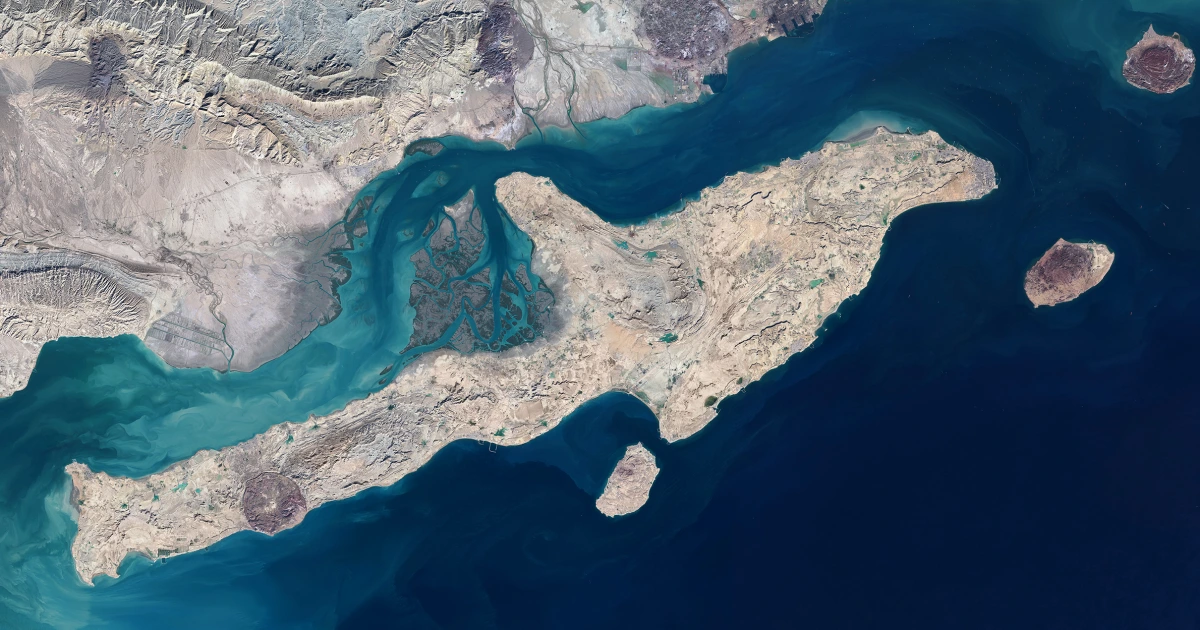
In a statement made via X platform, U.S. Central Command specified that the airstrikes were conducted on Gork and Qeshm islands “in response to Iranian aggressive actions.” The Iranian military reportedly engaged a U.S. MQ-1 drone operating over international waters, further escalating tensions in the region.
Destruction of Iranian Military Assets
According to U.S. Central Command, American warplanes successfully dismantled key Iranian air defenses, a ground control station, and two attack drones that posed imminent threats to maritime vessels navigating through crucial regional waterways. Fortunately, there were no reported casualties among U.S. military personnel.
Iranian Forces Target U.S. Communication Infrastructure
In a counteraction, Iran’s Revolutionary Guards claimed on Monday that their Aerospace Forces targeted what they identified as a U.S. strike on a communication tower located on Sirik Island, part of Hormozgan province. The specific location of the military base involved was not disclosed, intensifying uncertainties surrounding U.S. military operations in the region.
Escalating Hostilities in Kuwait
Kuwait’s military also reported responding to a “hostile missile and drone threat,” indicating that explosions were a result of their air defense systems successfully intercepting the attacks. While the origin and target of the strikes remain unclear, it’s noteworthy that Kuwait hosts a U.S. air base that has previously been a target of Iranian and proxy assaults.
Continued Violence and Stalled Negotiations
The United States and Iran have exchanged multiple attacks since a ceasefire was reached in early April, including Iran’s recent assault on an air base. Ongoing negotiations for a comprehensive agreement are strained by significant disagreements, particularly regarding the future of Iran’s nuclear and missile programs.
Regional Implications of the Ongoing Conflict
The conflict between the United States and Iran, which first erupted on February 28, has already resulted in thousands of casualties, predominantly in Iran and Lebanon, including the deaths of 13 U.S. soldiers. Additionally, the global energy market has felt the repercussions, as Iran’s actions have effectively shut down the Strait of Hormuz—a critical shipping lane responsible for transporting a substantial portion of the world’s oil supplies.
Stalled Diplomacy and Broader Regional Issues
President Donald Trump emphasized the need for Iran to agree to abandon any nuclear ambitions, insisted on reopening the Strait of Hormuz to unrestricted maritime traffic, and called for the destruction of all mines in the waterway. In response, Iran has accused President Trump of impeding negotiations with “excessive demands.”
Continued Israeli Military Operations in Lebanon
The diplomatic landscape is further complicated by ongoing Israeli military operations against the Iranian-backed Hezbollah militia in Lebanon, regardless of the ceasefire. Prime Minister Benjamin Netanyahu stated that Israel aims to establish direct control over all of Lebanon, following the Israeli capture of Beaufort Ridge, marking a significant military advancement into the country.
U.S. Diplomatic Efforts
On the diplomatic front, U.S. officials revealed that Secretary of State Marco Rubio engaged in discussions with Prime Minister Benjamin Netanyahu and Lebanese President Joseph Aoun to facilitate a plan promoting gradual de-escalation and effective cessation of hostilities. While the timeframe for these discussions remains unspecified, it underscores the U.S.’s commitment to addressing the escalating tensions in the region.
