


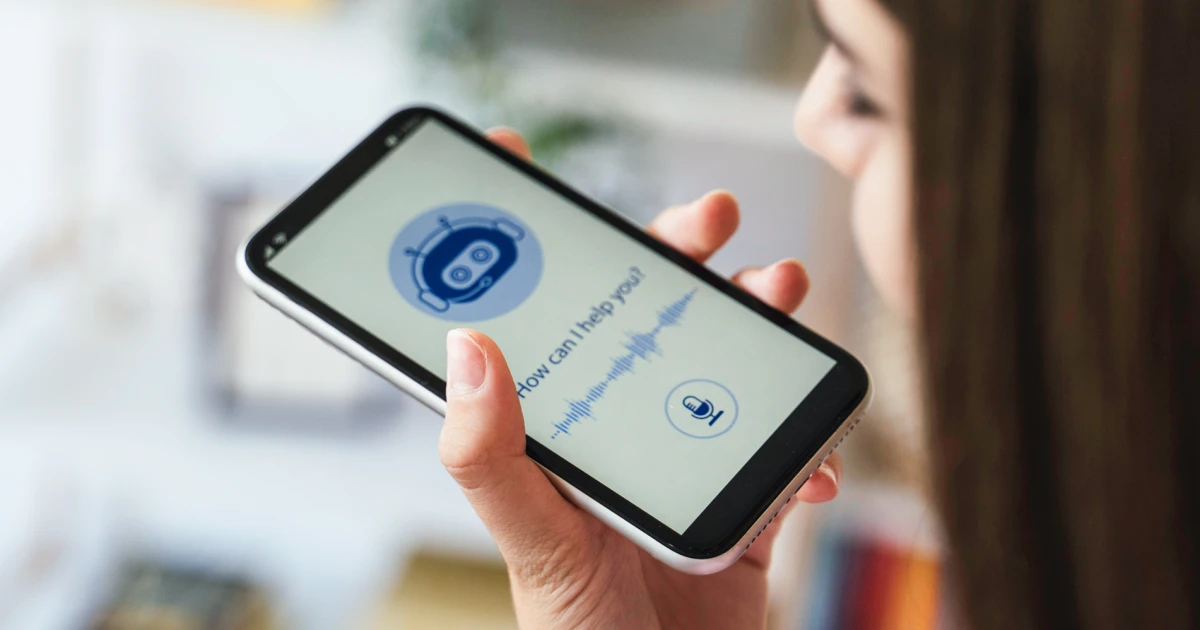
Young Adults Turn to AI Chatbots for Emotional Support
A recent study reveals that nearly 20% of young adults seek advice from AI chatbots when grappling with sadness, anger, anxiety, or stress. This trend signifies a growing reliance on technology for emotional support among this demographic.
Significant Increase in Chatbot Usage for Mental Health Support
The research, conducted by the RAND Corporation, highlights a notable rise in the use of AI chatbots for mental health advice. In early 2025, only 13% of surveyed individuals reported using such services, but this figure climbed to 19% by November of the same year, as detailed in a recent publication in JAMA Pediatrics.
Concerns About Digital Relationships
Ryan McBain, a senior policy fellow at RAND and the study’s lead author, expressed concern over these findings. He noted the disappointing reality that young individuals may be turning to AI chatbots instead of forming meaningful relationships that provide emotional support and empowerment.
AI Chatbots Among Mental Health Resources
In their study, McBain and his team surveyed individuals aged 12 to 21 about their experiences with various chatbots, including popular platforms like ChatGPT and Google Gemini. Notably, respondents did not differentiate between specialized mental health chatbots and general-purpose AI, indicating a broad usage for emotional support.
Effectiveness and Secrecy of AI Advice
Interestingly, the majority of respondents reported finding chatbot advice helpful, with approximately 63% admitting they had not disclosed their use of AI for mental health support to anyone. This illustrates a crucial gap in communication around mental health issues, which might perpetuate feelings of isolation.
Risks of Relying on AI for Mental Health Guidance
Despite the apparent utility, experts caution against relying on chatbots, particularly during mental health crises. Disturbing data from OpenAI indicates that 1.2 million users contemplate suicide each week, highlighting the potential dangers of turning to AI instead of trained professionals.
The Need for Regulatory Oversight
The findings underscore the urgent need for regulatory measures governing the use of AI chatbots in mental health contexts. McBain emphasized the absence of federal safety and quality standards, suggesting that current regulations are insufficient to protect vulnerable users.
Potential Benefits and Community Engagement
While concerns abound, there are also positive aspects to AI applications in mental health. Tools designed for meditation and sleep improvement have shown promise, and some users report finding solace in online communities, such as Reddit’s r/TherapyGPT. Here, users exchange experiences and strategies for engaging with chatbots, with some noting that these technologies have provided invaluable support during difficult times.
Legal and Policy Developments in AI Regulation
The landscape surrounding AI usage in mental health is rapidly evolving, as several states, including California and New York, have introduced legal frameworks to safeguard against exacerbating mental health issues. These regulations typically require chatbots to connect users with crisis management services, with some states imposing stricter bans on the use of AI for therapeutic purposes. Experts call for national legislation focused on auditing AI companies to assess their mental health safety risks.
