


Distraction Beyond Social Media in Nigeria
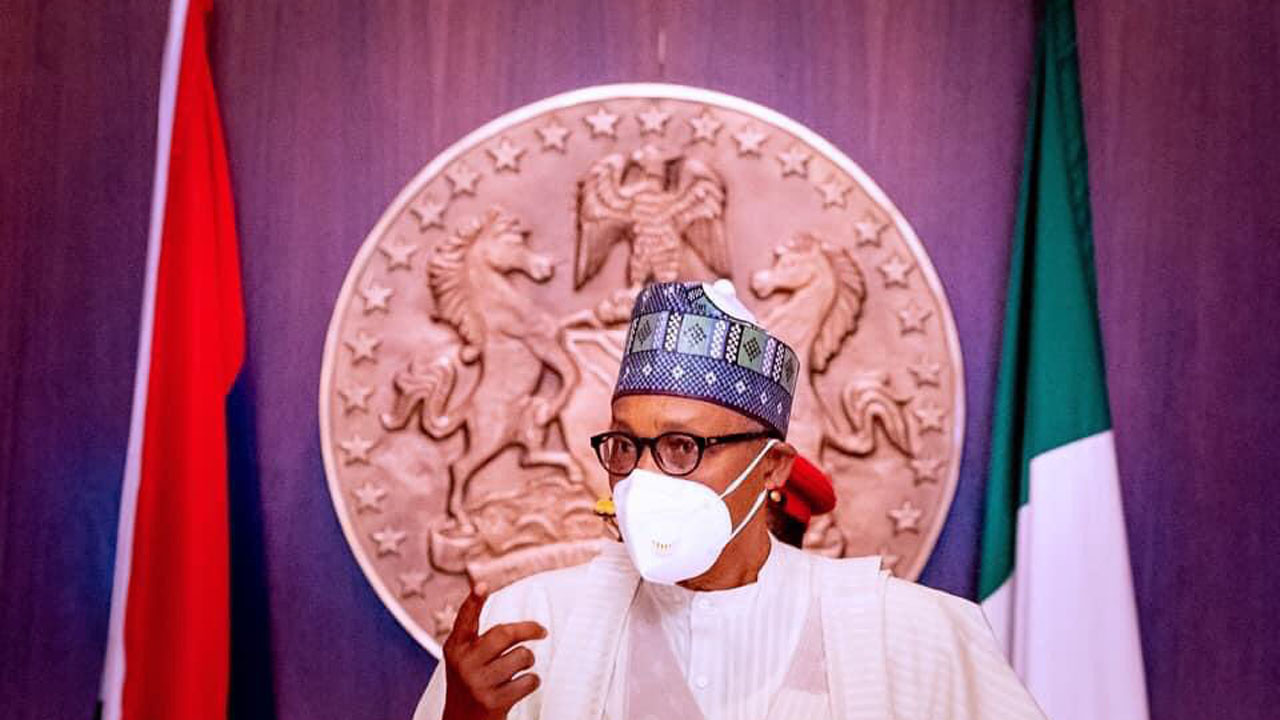
The current focus of distraction in Nigeria is not social media, as some may suggest, but President Muhammadu Buhari himself. As the leader expected to embody national values of unity and purpose, Buhari increasingly fuels heated debates across various platforms. His presence often leads to friction, creating adversaries both known and unknown — adversaries that many believe are unwarranted.
Navigating Personal Sentiments While Protecting National Interests
While it’s natural for individuals to harbor negative feelings towards Buhari, especially given the discontent surrounding his administration, it’s crucial to channel this sentiment wisely. It’s vital to avoid allowing personal grievances to morph into self-destructive behavior. The aim should be to promote individual and collective well-being, regardless of Buhari’s presidency status.
Distinguishing Leadership from National Identity
It’s essential to separate personal feelings towards Buhari from a broader sense of national identity. Nigeria existed long before his presidency and will continue to endure afterwards. The focus should shift towards the nation’s resilience in the face of ineffective leadership. Citizens must draw inspiration from countries like the United States, where discontent with leadership motivated individuals to seek constructive political change rather than harboring animosity towards their country. True hatred should ignite a passionate pursuit for a better alternative in future leadership.
The Importance of Addressing Internal Dangers
Fostering violent animosity against Buhari risks plunging the nation into chaos. Citing a piece of wisdom passed down from generations, the notion of not digging a deep hole for the enemy comes into play here; a misplaced hostility might inadvertently harm our own. It’s crucial to address the challenges plaguing our society without allowing hatred for one individual to fuel wider discord. Notably, recent statements from political leaders in the southeast condemning violence against security facilities indicate a step in the right direction. Efforts must extend to traditional and community leaders to ensure that their regions are safeguarded from becoming breeding grounds for violence.
Acknowledging Government Accountability Beyond the Presidency
As resentment towards Buhari grows, it’s important not to overlook the functions of other government agencies and officials. Recently, Buhari made significant strides by restoring constitutional autonomy to local governments, which had been under the control of state governors for too long. The success of this initiative, however, hinges on civic engagement and oversight. Additionally, Buhari has promised to support restructuring if a corresponding bill is passed in the National Assembly, emphasizing the importance of accountability from representatives at all levels.
Embracing Healthier Forms of Discontent
As Martin Luther King Jr. noted, it can be challenging not to let animosity affect our character. However, understanding the distinction between destructive hatred and a more constructive form of discontent can empower citizens. David Weinfeld discusses a healthy perspective on hatred, where discontent doesn’t detract from our humanity. Individuals should focus on channeling their frustrations into positive action, ensuring that legitimate grievances are addressed without losing sight of constructive engagement.
Collective Responsibility Towards Leadership
In sum, while feelings of resentment towards Buhari may be widespread, it’s vital to cultivate a mindset that prioritizes personal and national well-being. The goal should not only be about expressing animosity but also about fostering an environment conducive to positive change. As the next presidential election approaches, citizens are urged to remain vigilant, demand accountability from their elected officials, and seek strategic pathways to elevate Nigeria’s governance, ensuring it reflects the collective aspirations of its people.
Wole Oladapo contributed this column from the University of Ibadan.
