


Bauchi’s Social Democratic Party Positions Itself as Nigeria’s Ideological Opposition
The Social Democratic Party (SDP) in Bauchi is redefining its role as Nigeria’s ideological opposition. The party combines the populist stance of 2027 presidential candidate Adewole Adebayo with calls for constitutional reform aimed at addressing perceived authoritarianism and rising economic challenges, as reported by Sunday Aborisado.
A Turning Point in Nigerian Politics
During the recent presidential nomination exercises at the Abubakar Tafawa Balewa Stadium, the atmosphere transcended mere formality. It became a platform for a political revolt against the current trajectory of Nigeria’s governance, marking an important phase in the reimagining of opposition politics in the country.
Adebayo’s Rhetoric Aims at the Current Administration
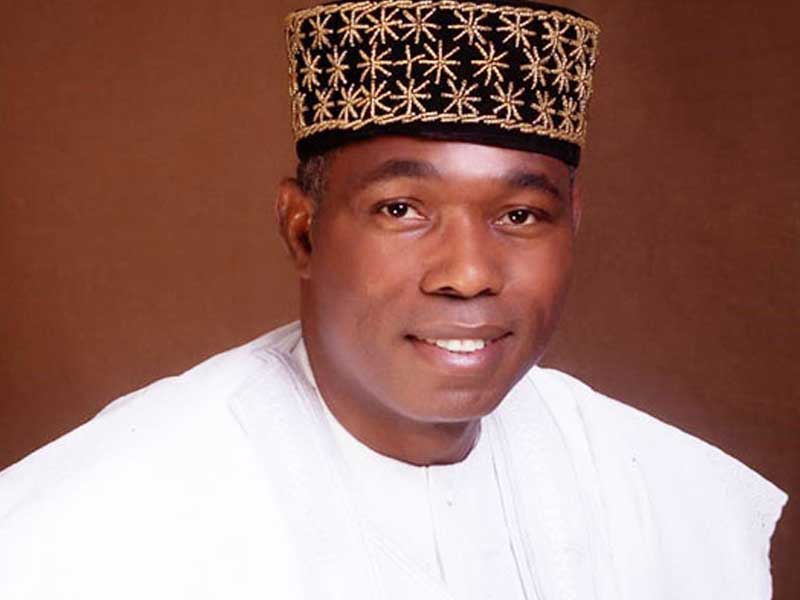
At the heart of this political upheaval was Prince Adewole Adebayo, a lawyer and businessman, who utilized his acceptance speech not only to rally for support but to critique President Bola Tinubu of the ruling All Progressives Congress (APC). He warned against a dangerous drift toward “one-man rule,” intensifying the ideological discourse within Nigeria’s political landscape.
Revitalizing the Party’s Ideological Foundation
Beyond the impassioned speeches, the Bauchi gathering signified a renewed commitment to position the SDP as the ideological home for welfarists, Pan-Africanists, and political dissidents seeking alternatives to both the APC and the weakened Peoples Democratic Party (PDP). Such unity aims to reinvigorate the party’s standing amid ongoing national crises.
Voices from Civil Society Amplify the Movement
The rally drew influential opposition figures and civil society actors, including Oba Oladipo Olaitan, leader of the Pan-Yoruba socio-political organization Afenifere. His remarks about the suffering of ordinary Nigerians underscored the profound socioeconomic issues currently plaguing the nation and reflected the aligning ideologies between Afenifere and the SDP’s vision for social democracy.
Challenges and Opportunities for the SDP
The significance of the Bauchi conference is further underscored by the long-running crises within the SDP itself, plagued by leadership disputes and factionalism that have diminished its visibility on the national stage. As political realignment ensues post-2023 elections, the SDP presents itself as an appealing option for political players seeking a more ideologically coherent platform. The Bauchi Treaty, therefore, symbolizes a pivotal moment of resilience and potential revival for the party amidst electoral challenges.
Acknowledging the Path Forward
Adebayo’s speech resonated deeply, framing the upcoming elections as a crucial juncture in Nigeria’s multiparty democracy. He articulated a vision that juxtaposes the needs of “ordinary Nigerians” with the entrenched political elite. Alongside his call for constitutional adherence, he promoted policies such as universal health care and educational reforms, reinforcing the SDP’s commitment to social welfare.
Future Prospects for a Renewed Political Landscape
While the SDP’s recent convention marks a significant ideological alignment that aims to reshape governance, the party faces numerous challenges ahead. It must translate its lofty ideals into relatable messaging for voters grappling with inflation and insecurity. Given Nigeria’s complex political landscape, the road to becoming a viable national candidate will require strategic grassroots organization, cohesion within its ranks, and effective mobilization. The Bauchi conference may signal a promising venture into a more principled opposition, aiming to elevate the discourse surrounding governance, democracy, and social equity in Nigeria.
