


U.S. Deportation Policy Leaves Cuban Immigrants Stranded in Mexico
More than 4,000 Cuban immigrants residing in the United States have found themselves in precarious circumstances after being deported to Mexico as part of the Trump administration’s strict immigration policies, according to a recent report from Human Rights Watch. Many of these individuals were held in Florida’s notorious detention facilities, including Alligator Alcatraz and Krome Detention Center.
Stranded Nationals Struggle with Basic Needs
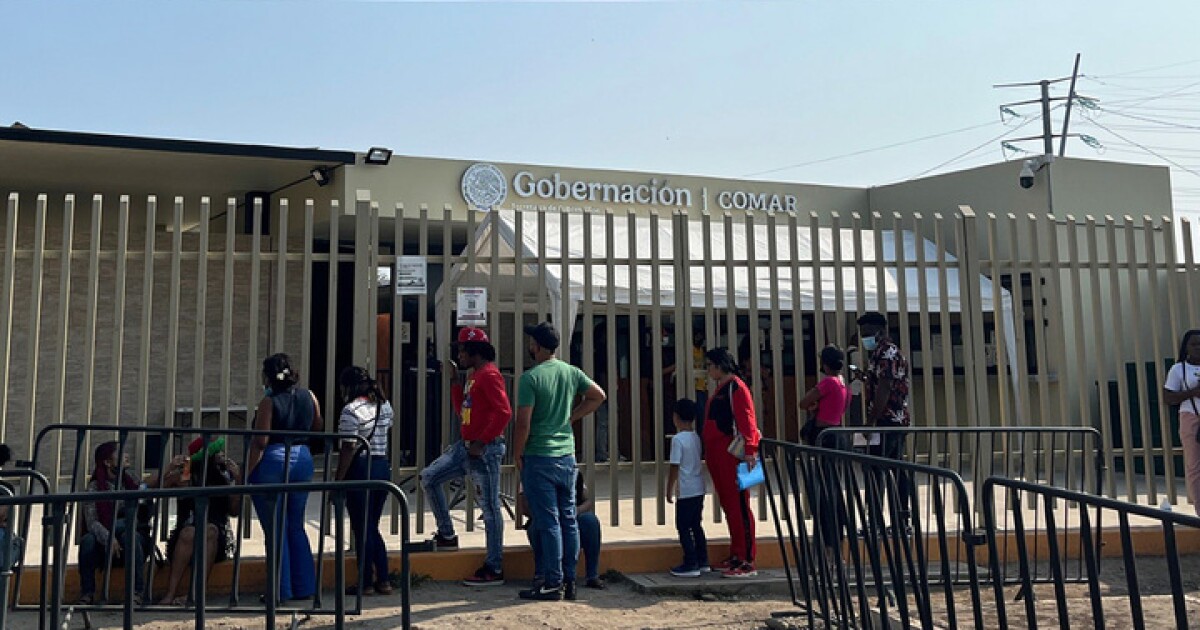
These immigrants constitute a significant portion of Mexico’s so-called “third-country nationals,” individuals who have been deported to Mexico but are not originally from the nation. Consequently, they are left stranded without the ability to return to either the United States or Cuba. The report, titled “Leave Us Aside to Die,” indicates that approximately 4,300 Cuban immigrants are now vulnerable and lack essential housing, healthcare, and social services in cities like Villahermosa and Tapachula.
Voices of Despair Amidst Desolation
“They are abandoning us to die,” stated Harold, a Cuban national interviewed by Human Rights Watch. “There is no help. We can’t work because we lack documentation. We receive no support. How will we eat and pay for housing?”
Florida’s Detention Facilities under Scrutiny
Many of these deported Cubans were originally detained in Florida. “Florida is the primary location for arrests and deportations,” noted Arcila Silva Haba, co-author of the report. “Unfortunately, we’re referring to facilities like Alligator Alcatraz and Krome Detention Center.” Recent reports suggest that Alligator Alcatraz, located in the Everglades, is expected to close soon, although a specific date has yet to be announced.
Criticism of Detention Conditions
Alligator Alcatraz, together with Krome Detention Center, has faced numerous criticisms regarding overcrowded conditions, unsanitary facilities, and inadequate access to food and clean water. These observations, outlined in an Amnesty International report, raise concerns about the well-being of detainees. It remains uncertain what will happen to those still in detention once the facility closes. Possibilities include transfers to other Immigration and Customs Enforcement (ICE) centers or further deportations.
Long-Term Residents Facing Health Challenges
Notably, many of the interviewed Cuban immigrants had lived in the U.S. for over three decades, arriving through historic pathways like the Mariel boatlift in 1980 or the El Bombo lottery in the 1990s. Many are now over 60 years old and grappling with chronic health issues. Silva Haba recounted the story of an 83-year-old man with diabetes who lost access to his personal retirement funds after being stripped of his cell phone and ID during detention.
Worrying Trends in Deportation Cases
The tragic case of Ricardo Del Pino, a 67-year-old who died of cancer after being deported to Mexico, highlights the severe repercussions of these policies. Del Pino had served a 17-year sentence in the U.S. and was sent to Mexico in 2025, where he was found severely malnourished and without legal documentation. The report reveals that over half of the Cuban immigrants surveyed had prior criminal convictions; however, only 16% were associated with violent crimes.
Calls for Reform and Transparency in Deportation Process
Since 2025, approximately 13,000 third-country nationals from various countries, including Venezuela, Haiti, Honduras, Jamaica, and El Salvador, have been deported to Mexico. Human Rights Watch is advocating for increased transparency in the process of forced returns and the introduction of mechanisms allowing deportees, particularly the elderly and those with chronic health conditions, to challenge their expulsions. Silva Haba pointed out, “It is evident that there is no justification other than cruelty in placing individuals in these environments without institutional support.”
