


Nigeria Transitions to Implementation Phase of Sustainable Agriculture Program
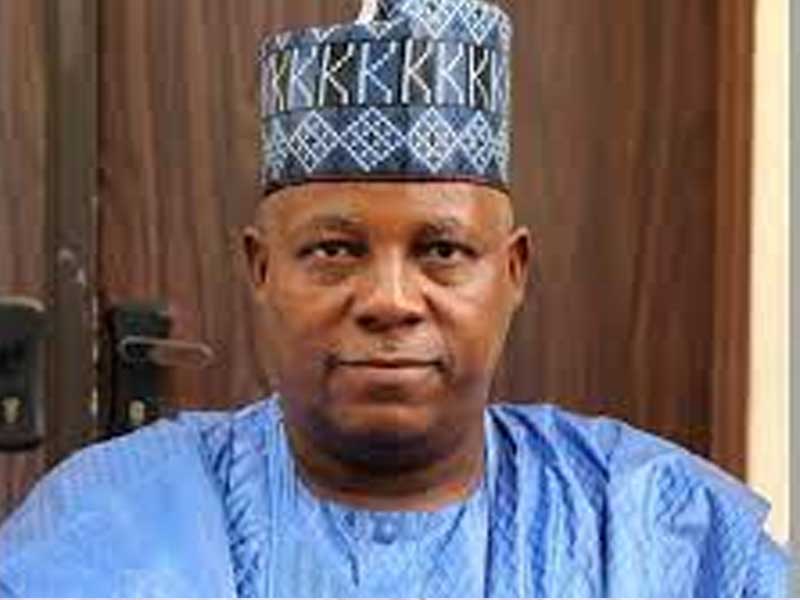
Nigeria is moving forward with the implementation of the World Bank-supported $500 million Sustainable Agriculture Value Chains for Growth Program (AGROW). The final report from the National Technical Working Group has been received, marking the end of the design phase and setting the stage for action. Vice President Kassim Shettima emphasized that the AGROW initiative aims to connect farmers with national economic planners and policymakers, addressing a critical disconnect between agricultural producers and the systems that determine the value of their labor.
Shettima received the report at the Abuja State House of Assembly, noting the significant challenges in the agricultural sector, particularly the gap between farmers and decision-makers. The AGROW program has been developed through extensive consultations across 32 states, demonstrating local governments’ commitment to agricultural development and their increasing role in supporting productivity, infrastructure, and market accessibility.
Calling the AGROW report a return to fundamentals, Shettima stated that the initiative centers on the needs of farmers. “Today represents the transition from program design to implementation,” he declared, asserting that the program seeks to create opportunities rooted in the realities of the agricultural sector while attracting essential private investment to elevate farming from subsistence levels.
Agriculture is a critical component of Nigeria’s economy, contributing 23% to the GDP and supporting 34% of the workforce. Shettima stressed that it should not be relegated to a marginal sector. “The agricultural sector is the backbone of our economy, impacting millions of livelihoods,” he said. Increased yields lead to lower food prices, healthier rural incomes, and reduced pressure on urban areas and foreign exchange reserves. Conversely, declines in productivity can have dire economic consequences.
During discussions, Shettima highlighted the pressing necessity for agricultural development, citing the participation of multiple states in consultations that underscore both the urgency and opportunity facing the sector. With the AGROW program, he noted that 71% of the $500 million allocation—approximately $355 million—will be channeled through participating states, placing them at the forefront of implementation.
However, he acknowledged the challenges ahead, pointing out that the current funding will not be sufficient to address the extensive needs in services, infrastructure, technology, and market access. “The demand is clear, but resources are limited,” Shettima remarked, praising the collaborative effort of the National Technical Working Group, which included various stakeholders dedicated to the program’s comprehensive and evidence-based approach.
Following the acceptance of the final report, Shettima announced the formal dissolution of the National Technical Working Group, transferring responsibilities to the Federal Ministry of Agriculture and Food Security. The meeting underscored a unified approach among various state governors to champion the AGROW initiative, with assurances of robust support for timely implementation. Minister of Agriculture and Food Security, Senator Abubakar Kyari, reiterated the significance of the AGROW program as a transformative initiative for Nigeria’s agricultural landscape, which aligns with the government’s vision for economic revitalization.
The session concluded with remarks from key stakeholders, including the World Bank’s AGROW Program Leader, who reaffirmed the Bank’s commitment to supporting Nigeria’s agricultural ambitions. She emphasized the necessity of fostering private sector engagement and creating conducive policies to enhance participation in the agricultural value chain. The discussions highlighted a coordinated approach to driving Nigeria’s agricultural agenda forward, with a clear focus on improving food security and alleviating poverty among its citizens.
