


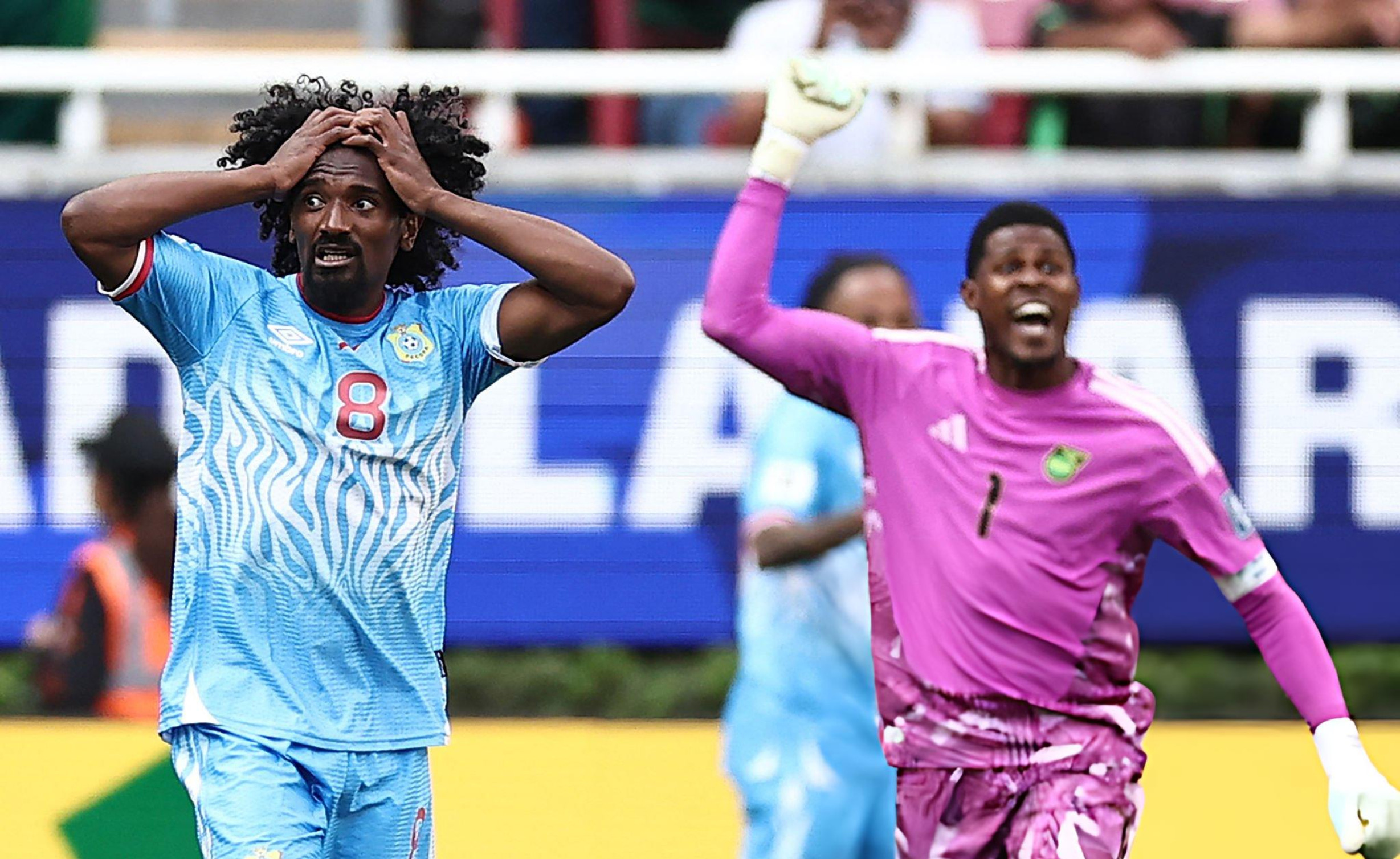
The Democratic Republic of the Congo’s (DR Congo) long-awaited return to the FIFA World Cup is now uncertain after a crucial friendly against Chile was canceled due to concerns surrounding the ongoing Ebola outbreak in the country. With the tournament set to begin in 2026, the Leopards are facing significant challenges—not only on the field but also amidst a growing public health crisis that threatens to disrupt their preparations, raise anxieties about international travel, and prompt stern warnings from U.S. officials.
Current circumstances have left DR Congo’s World Cup preparations in chaos. U.S. authorities have indicated that without strict quarantine measures, the national team may miss their chance to participate in the World Cup.
Cancellation of Friendly Match with Chile
The highly anticipated friendly match between DR Congo and Chile, originally scheduled for June 9 at La Línea de la Concepción in Spain, has been officially canceled. This match was projected to be the team’s last warm-up before heading to North America.
Local officials acted on health advisories stemming from the Ebola outbreak, resulting in the decision to call off the game. La Línea’s Mayor, Juan Franco, confirmed the intervention, stating that the health risks associated with the outbreak prompted the cancellation.
Attempts by the Chilean team to hold the match behind closed doors were unsuccessful, as local authorities upheld their decision based on recommendations from health authorities.
Ebola Outbreak Disrupts World Cup Preparations
The cancellation of the friendly is a severe blow for the DR Congo, which is preparing for its first World Cup appearance in over 50 years. In addition to this setback, Congolese football officials previously canceled a three-day training camp and a farewell event for fans in Kinshasa due to the outbreak affecting eastern regions of the country.
The World Health Organization (WHO) has classified the Ebola situation as a public health emergency of international concern. The outbreak, involving the rare Bundibugyo strain, has spread beyond DR Congo into neighboring Uganda. As of May 27, there were 906 suspected cases and 223 fatalities, with reports indicating that more than 130 individuals had died and close to 600 more were suspected to be infected.
Relocation of Preparatory Camp
Consequently, the Leopards have relocated their entire World Cup preparation program overseas. Team spokesperson Jerry Kalemo explained that while the Kinshasa phase was canceled, the rest of the preparations, which included friendly matches in Belgium and Spain, would continue as planned.
Most members of Congo’s team and coaching staff are based outside the country, making this transition more manageable. French coach Sébastien Desables and a majority of his players play in European leagues, facilitating their relocation to European venues for training. Some staff based in Congo will also join preparations abroad.
U.S. Issues Health Ultimatum to DR Congo
Health concerns have now infiltrated the realm of World Cup logistics. About two weeks before the tournament, Andrew Giuliani, executive director of the White House’s FIFA World Cup Task Force, warned that the team must maintain a strict controlled quarantine for 21 days or risk being barred from entering the United States.
Giuliani emphasized the importance of preserving a secure bubble environment prior to arriving in Houston on June 11, indicating that any breaches in health protocols could jeopardize the entire team’s participation.
The United States has communicated its requirements clearly to FIFA and Congolese officials, underscoring that health and safety is paramount for the tournament’s organizers. Any individuals joining the Congolese delegation must maintain a separate bubble to avoid potential contamination risks.
FIFA Monitoring the Ebola Crisis
FIFA is keeping a close eye on the evolving situation. In a recent statement, the organization confirmed its ongoing communication with Congolese football authorities, ensuring that all teams are informed of necessary health and safety protocols in light of the Ebola outbreak.
CDC Travel Restrictions Exacerbate Concerns
Compounding the situation, the U.S. Centers for Disease Control and Prevention (CDC) has enacted temporary travel restrictions for nationals who have recently been in the Democratic Republic of the Congo, Uganda, or South Sudan. These measures will remain in place for 30 days.
However, U.S. officials clarified that the Congolese national team, having been training in Europe for several weeks, should not be severely affected as long as members do not return to Congo in the preceding 21 days.
Historic World Cup Participation at Risk
This Ebola crisis has emerged at a crucial time for Congolese football, turning what was anticipated to be a triumphant moment into a series of challenges. The Leopards’ qualification for the FIFA World Cup marked their first appearance since 1974, inciting celebrations throughout a nation long plagued by political turmoil.
As public health concerns overshadow the excitement surrounding the World Cup, the team must navigate this crisis while striving to bring their World Cup aspirations to fruition. The upcoming days will prove pivotal for the Leopards, both on and off the pitch.
Denmark Friendly Match Scheduled
While the match against Chile has been scrapped, the warm-up game against Denmark in Liege, Belgium, is still expected to go ahead as planned. This fixture is a crucial opportunity for coach Sébastien Desables and his team to refine their strategies before the tournament begins.
The Road to World Cup Competition
The Leopards face a challenging Group K during the 2026 FIFA World Cup. Their campaign will kick off on June 17 in Houston against Portugal, followed by a match against Colombia in Guadalajara, Mexico, and concluding with a game against Uzbekistan in Atlanta. For a nation aspiring to achieve glory on the grandest stage of soccer, the coming weeks will be as significant off the field as they are on it.
