


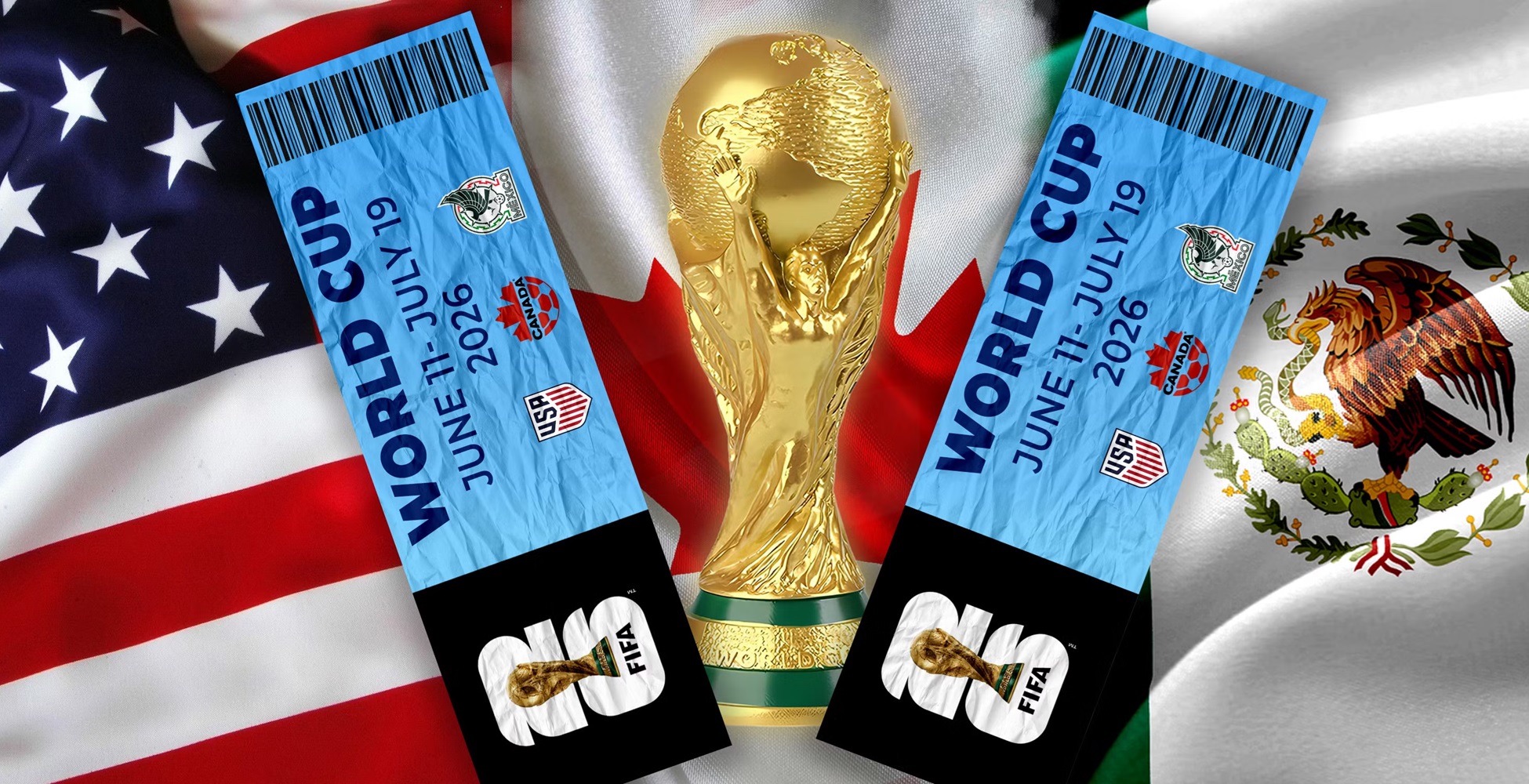
Fraudsters Target Fans Ahead of 2026 FIFA World Cup
As excitement builds for the upcoming 2026 FIFA World Cup, fraudsters are increasingly exploiting this anticipation through sophisticated online ticket scams. Law enforcement and cybersecurity experts worldwide are issuing warnings to fans about fake ticket sales websites that falsely present themselves as FIFA’s official platform.
The expanded tournament will kick off on June 11, 2026, taking place across the United States, Mexico, and Canada, heightening interest and, unfortunately, cyber risks as well.
With ticket prices skyrocketing, many supporters are on the lookout for discounted alternatives outside FIFA’s official sales channels, making them prime targets for cybercriminals.
FBI Uncovers Fraudulent Ticket Websites
The FBI has alerted soccer enthusiasts to at least 36 fraudulent websites mimicking FIFA’s official online sales platform, using deceptive domains such as “fifa-ticket.live” and “fifaworldcup26.sale.” These sites are engineered to extract personal information, steal payment details, or sell non-existent tickets and merchandise.
According to Singapore-based cybersecurity firm Group-IB, the total number of FIFA-related fraudulent domains has surged to over 4,300 since August, with more than 300 linked to a single Chinese-speaking attacker. While many of these scam sites remain inactive, their activity is expected to escalate as the tournament date approaches.
Scammers Leveraging Fan Enthusiasm
Cybersecurity analysts note that criminals are preying on fans’ eagerness to secure tickets for this prestigious event. Justin Miller, an associate professor of cyber research practice at the University of Tulsa, pointed out that scammers exploit fan enthusiasm, limited ticket availability, and the urgency of time-sensitive opportunities.
Modern cybercriminals often find it easier to mimic trusted brands rather than breach highly secure systems, making events like the World Cup an attractive target for illicit activities.
Impressive Counterfeits Deceiving Fans
Many fraudulent websites are designed to closely resemble FIFA’s legitimate ticket sales site, complete with World Cup branding, sponsor logos, and advanced payment systems that enable users to browse matches and proceed with purchases. Reports indicate that misleading advertisements have appeared on social media platforms in various languages, steering users toward fake portals posing as official retailers.
Bitdefender, a Romania-based cybersecurity firm, uncovered 55 fraudulent advertising campaigns promoting counterfeit goods and memorabilia related to soccer across Meta’s platform. In response to these threats, Meta has implemented warning notices for users searching for World Cup tickets and has dismantled networks propagating fake FIFA-related content.
Concerns About Counterfeit Merchandise
In addition to online scams, authorities are also addressing concerns about physical counterfeit goods. Recently, Toronto police seized over 16,000 fake soccer jerseys and flags, as well as two counterfeit World Cup trophies, during raids targeting illegal merchandise sales.
