


Controversial Early Immigration Raids in the Meatpacking Industry
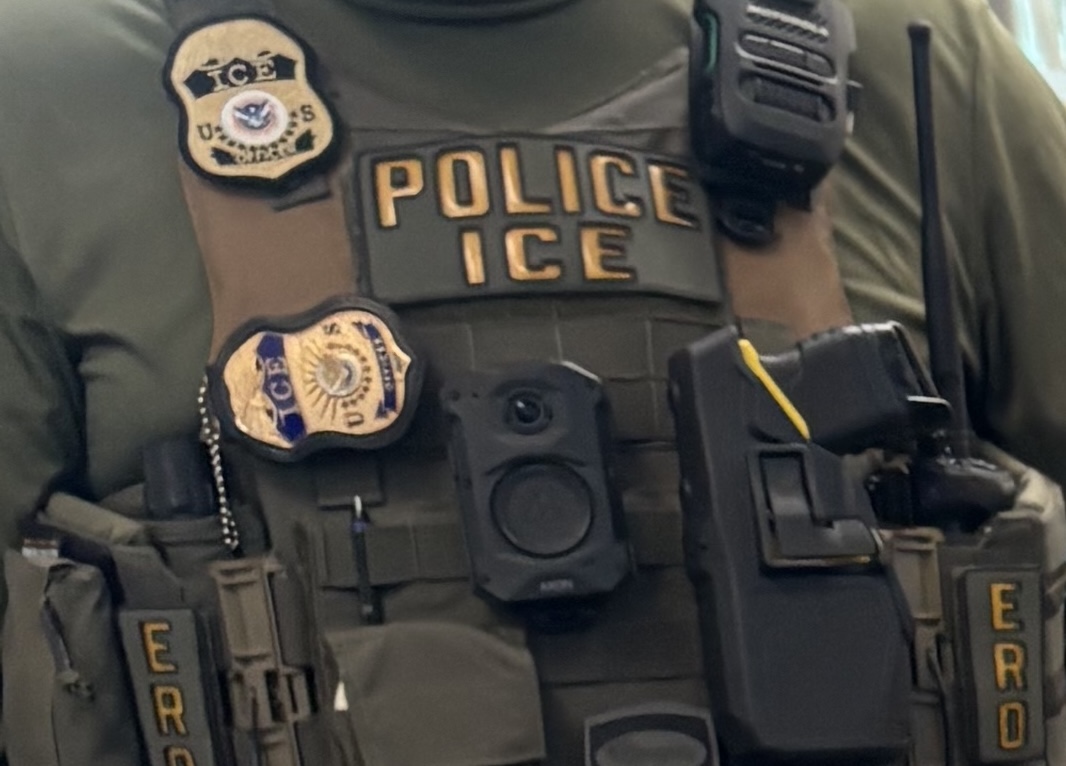
Long before federal immigration agents garnered attention for the Trump administration’s rigorous enforcement of immigration laws, they conducted a noteworthy and contentious operation targeting six meatpacking plants across the United States, including one in Colorado.
During 2006, Immigration and Customs Enforcement (ICE) officials investigated the Swift & Company meatpacking facility. Their investigation unearthed allegations that some workers had been using stolen civilian identities to obtain employment.
On December 12 of that year, ICE agents executed coordinated raids at several factories, including the one in Greeley, Colorado. This operation, dubbed Operation Wagon Train, marked the largest workplace immigration enforcement action in U.S. history.
The ramifications of the operation were significant, leading to approximately 1,300 arrests, with around 260 individuals detained at the Greeley plant alone. This represented nearly 10% of the workforce at the Colorado facility, severely impacting a major employer in Weld County’s economy.
Local business owners expressed alarm in the wake of the raids. Paul Hungenberg, co-owner of Hungenberg Produce, lamented the chaos in the community, stating that the workforce was essential for sustaining operations in the local economy.
Legal experts viewed the aftermath of the raid as a clear illustration of potential civil rights infringements linked to immigration enforcement. A report from the University of California, Davis, noted that these workplace raids underscore the vulnerability of immigrant workers and the Fourth Amendment’s limitations regarding privacy expectations in such contexts.
In light of these events, reports indicate that the raids significantly altered the meatpacking industry. Companies began to hire refugees to build a “deportation-proof workforce,” with demographic shifts in rural towns giving rise to heightened xenophobia and prejudice that played a role in the political landscape leading up to the 2016 election of President Donald J. Trump.
Following the raids, the Brazilian-owned company JBS acquired the Swift plant in Greeley, reflecting the ongoing complexities of labor relations with immigrant workers. The majority of JBS’s workforce comprises foreign-born employees, many of whom may still be unaware of their rights in the workplace. Recently, labor unrest surfaced when factory workers engaged in unjust labor practices, leading to what is believed to be the largest strike at a meat processing facility in decades.
