


Presidential Candidate Sparks Controversy with Transfer Promises
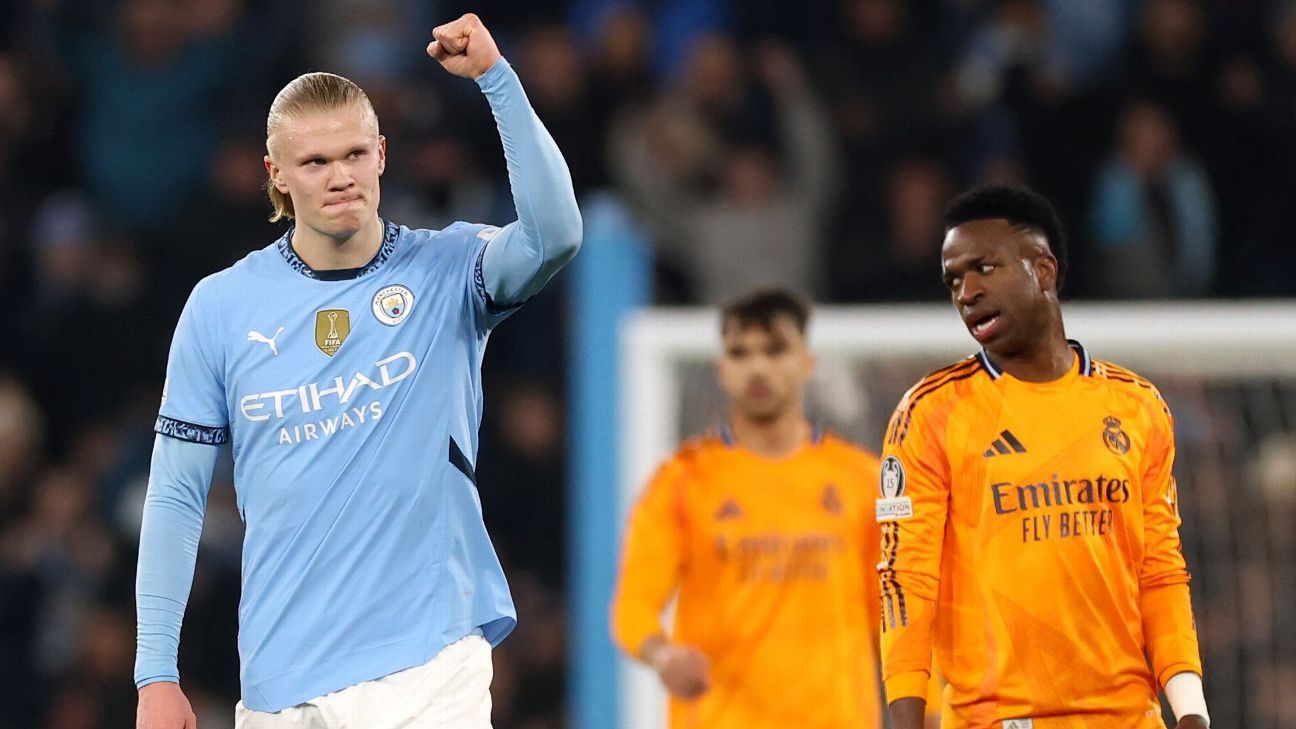
Enrique Riquelme, a candidate for the presidency of Real Madrid, has stirred excitement—and skepticism—in the football community following his recent appearance on the popular evening chat show El Hormiguero. During the show, Riquelme boldly claimed he would acquire Manchester City’s Rodri and Erling Haaland for the club if elected in the upcoming election. His statements seem to directly challenge the current president, Florentino Pérez, by borrowing from Pérez’s own electoral tactics.
Unprecedented Guarantees Made Live on Air
Riquelme went further in his declarations by offering a notarized promise to pay the season tickets for 100,000 Madrid Socios (members) if he fails to deliver on his commitments. This audacious move comes in the wake of Manchester City’s unequivocal denial regarding any potential transfer of Haaland. The club asserted that there is no contractual clause permitting a transfer and warned of possible legal action concerning the unauthorized use of the player’s image in Riquelme’s campaign.
A Historical Parallel to Football’s Dramatic Past
For those familiar with football’s storied past, Riquelme’s promises echo a significant moment in the sport’s history—specifically, the transfer saga involving Luis Figo in 2000. This was a time that not only captivated football fans but also reshaped the dynamics between Real Madrid and Barcelona. Riquelme appears to be taking advantage of the current climate in football to ignite a similar narrative.
The Figo Transfer: A Game-Changer in Spanish Football
In the saga of Figo, while he was Barcelona’s star forward, the club had recently renewed contracts for several teammates, leaving him feeling sidelined. At that time, Pérez, who had previously lost a presidential bid, re-emerged in the race and promised to make Figo a Real Madrid player if elected. After much speculation, it was revealed that Figo’s agent had signed a lucrative contract allowing for a buyout, which Barcelona had little power to obstruct.
The Politics of Promise in Football Elections
Riquelme’s strategy may seem bold, but it recalls how Pérez captured the presidency in 2000, winning over 3,000 votes partly due to the allure of Figo’s name. The promise of acquiring high-profile players catalyzed Pérez’s rise and ignited what became known as the Galacticos era, representing an ambitious attempt to restore Real Madrid’s dominance in European football.
The Influence of Charismatic Leadership
Reflecting on his strategies, Pérez acknowledged his influences, notably the legendary Santiago Bernabéu, who had a track record of attracting the best players. Pérez’s promise in 2000 was revolutionary for its time, as few believed that a transfer of Figo’s magnitude was possible. His ability to persuade Figo to join Madrid not only reshaped club dynamics but also set a new precedent in the football transfer market.
Modern-Day Campaigns and Their Intriguing Dynamics
Riquelme’s promises have drawn comparisons to tactics utilized in previous Barcelona president Joan Laporta’s successful campaign in 2003, where he claimed to have secured deals with both Manchester United and potential star Ronaldinho. Although such assertions may have been more hype than fact, they demonstrate the lengths candidates will go to win voter favor. Promises of major signings have become a captivating element of football politics, signaling the thirst for groundbreaking transfers among fans.
The Challenge Ahead for Riquelme
Ultimately, Riquelme’s campaign illustrates a classic football narrative: the interplay of ambition, promise, and the pursuit of glory. Should he win the election, delivering on his commitments for high-profile signings like Rodri and Haaland could either make or break his presidency. The upcoming election will reveal whether these promises resonate with Madrid’s fanbase or merely echo the ambitious strategies of his predecessors.
