


The USL Super League is set to undergo a significant transformation in its scheduling, moving its season from the traditional fall-to-spring format to a spring-to-fall calendar beginning in 2027. This shift will align the Super League with the National Women’s Soccer League (NWSL), with both leagues now sanctioned by the United States Soccer Association as Division I entities.
In an interview with ESPN, USL Super League president Amanda Vandervoort explained that the revised timeline reflects a broader strategy to synchronize with other North American leagues, particularly in light of the upcoming 2031 World Cup, which will take place in the United States.
Vandervoort emphasized that the league aims to adapt to evolving market conditions, stating, “We want to be a leader in that field. Our strategy has always been focused on global soccer leadership, and with the World Cup on the horizon, it’s imperative that we align our scheduling accordingly.”
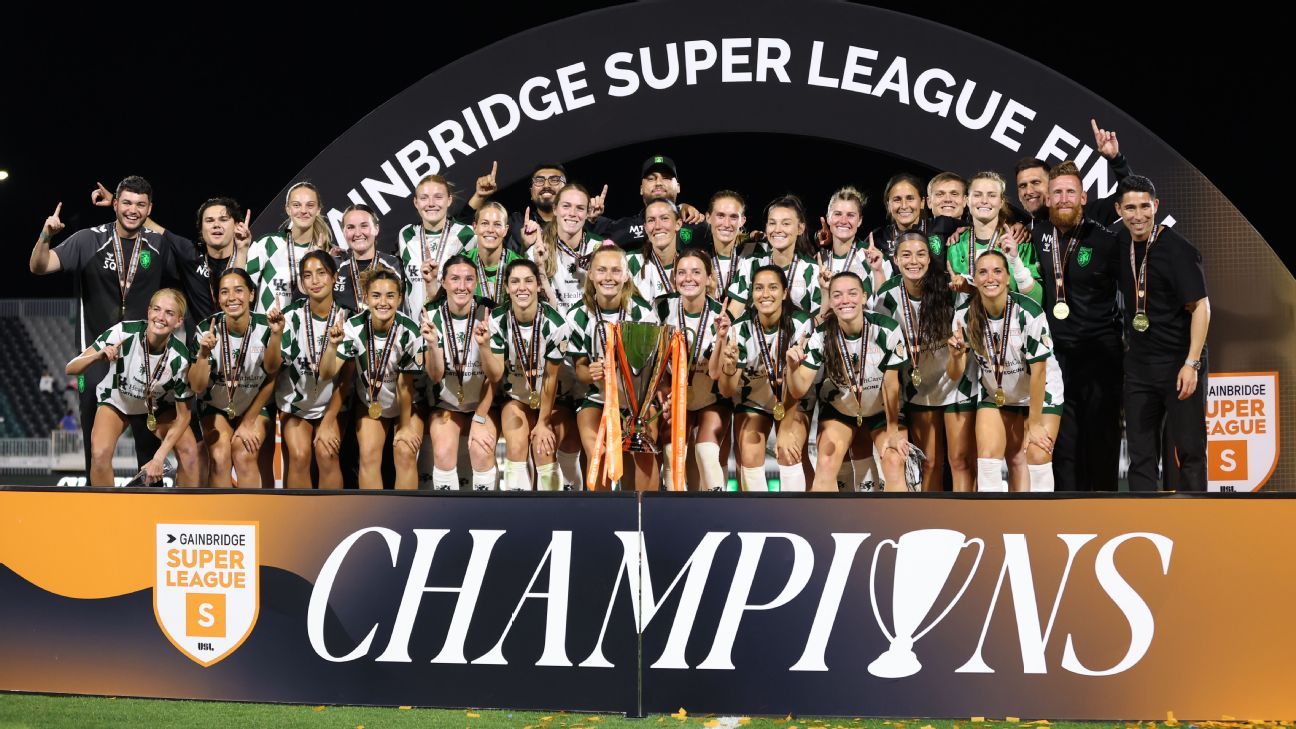
Initially launched in August 2024 as a fall-to-spring league, the Super League has differentiated itself from the NWSL, which has long operated under a spring-to-fall model. The league’s second season recently concluded with Lexington SC triumphing in the finals. As a part of this transition, the Super League will host a condensed autumn season in 2026 to finalize adjustments to its calendar.
This announcement comes shortly after reports indicated that the NWSL was also contemplating an adjustment to its season schedule. However, the NWSL Board of Directors decided against a proposal to change its timeline, opting to maintain the spring-to-fall format through at least 2030 after facing considerable backlash from players.
The potential partnership with the NWSL could offer considerable advantages for the USL Super League. Reports from ESPN revealed that U.S. Soccer is actively engaging leaders from both leagues, as well as the upcoming WPSL Pro Division 2, to explore the possibility of interleague cup competitions beginning in 2028.
This future competition might serve as a qualifying route for the Concacaf W Champions Cup, a regional event where the Super League aspires to have its teams participate. Concacaf recently announced a new competition format, set to take effect in 2027, ensuring that events will be held within a single calendar year. Consequently, U.S. Soccer will collaborate with Concacaf to determine the criteria for team qualifications, although specifics regarding which teams will join the delayed 2027 tournament remain undecided.
Vandervoort noted that discussions among U.S. Soccer leadership—including CEO JT Batson and President Cindy Perlow Cohn—have focused on collaborative efforts within the U.S. women’s soccer landscape. “U.S. Soccer has emphasized the importance of cooperation,” she remarked. “They are orchestrating discussions aimed at creating a unified approach to strengthen women’s soccer in the United States moving forward.”
While Vandervoort clarified that the calendar adjustments are primarily about the USL’s strategic direction and not directly related to the NWSL, sources have indicated that increased collaboration could mitigate tensions surrounding loan agreements between teams. This new alignment would also allow college players to sign with clubs at the beginning of the season, rather than midway through.
Vandervoort reiterated the league’s mission to increase accessibility to soccer for women across various communities, stating, “We aim to generate opportunities for women in cities and regions that have previously lacked access to the sport.”
In a recent statement, the USL Players Association confirmed its involvement in discussions regarding the new schedule as part of ongoing collective bargaining negotiations. “The USLPA and the league have been in regular dialogue since December 2025,” the association stated, highlighting efforts to reach an agreement that fosters long-term success for all parties involved. With negotiations heating up recently, the goal is to finalize an agreement before the upcoming fall season begins.
The abbreviated fall season for the USL Super League will feature eight teams starting August 15 and culminating with the championship match on December 12. Spokane Zephyr FC, which recently disbanded, participated in the league for two seasons but will continue to operate under the same ownership in the USL men’s division.
Vandervoort has yet to comment on potential expansion plans for 2027, although the league has previously indicated interest in onboarding additional teams, pending stadium approvals. She expressed optimism about the future, stating, “Our ownership group is committed to advancing the league, particularly with the 2028 Olympics on the horizon, as well as the growth of women’s soccer overall.”
