


U.S. Raises Counterintelligence Alert Over Israeli Espionage Concerns
WASHINGTON – The U.S. Department of Defense is increasingly wary of Israel’s espionage activities against the United States. Recently, the Pentagon heightened the counterintelligence threat level from its closest Middle Eastern ally, escalating it to its most critical designation, according to two current and one former U.S. official.
Internal Alerts by the Defense Intelligence Agency
The Pentagon’s Defense Intelligence Agency (DIA) has issued new assessments in response to rising tensions between the U.S. and Israel, particularly regarding the ongoing conflict with Iran. As per reports, the DIA circulated an internal communication elevating Israel’s threat level to “crisis,” a move confirmed by one official.
Concerns About Espionage Efforts
This escalation is attributed to fears within the Pentagon that Israel is intensifying its efforts to monitor high-ranking U.S. officials in order to glean insights into the Trump administration’s internal discussions regarding Middle Eastern issues.
Documented Assessments of Israel’s Capabilities
A U.S. official revealed that the DIA produced a seven-page assessment, which included various analytical graphs. This report evaluated Israel’s capabilities in human espionage and technological intelligence gathering as being at a “significant level.” The document reportedly identified multiple specific incidents that amplified U.S. concerns.
Israeli Embassy Response
The Israeli embassy in Washington responded firmly, labeling the allegations as “absolutely false.” A spokesperson stated that Israel does not engage in spying on U.S. entities, particularly not on government officials, emphasizing that its intelligence operations primarily focus on adversaries, not allies.
Reactions from U.S. Officials
White House representatives echoed this sentiment, dismissing the accusations as unfounded and coming from individuals lacking knowledge of the situation. Meanwhile, the Office of the Director of National Intelligence, which oversees all U.S. intelligence bodies including the DIA, has not provided any comment on these developments.
Espionage Beyond Norms
While it’s common for nations to engage in espionage, current and former U.S. officials argue that Israel’s activities have exceeded traditional expectations. Although there’s no indication of a specific incident triggering the DIA’s heightened level, the increasing alertness comes amid a backdrop of divergent interests surrounding U.S. and Israeli policies in the region.
Diplomatic Tensions Affecting Trust
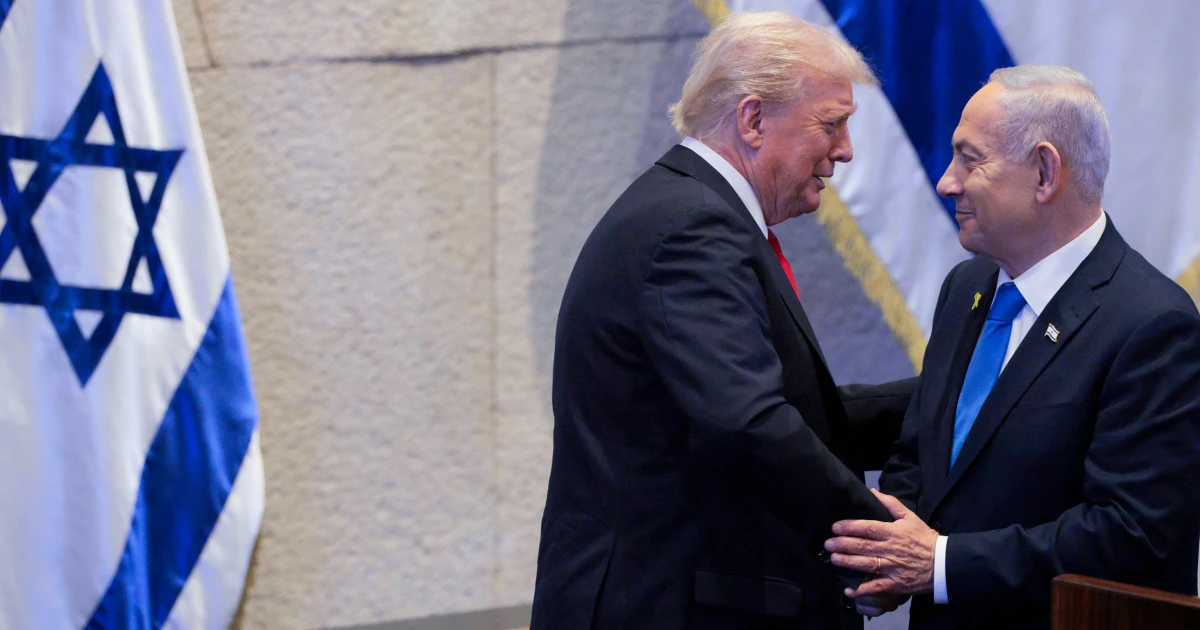
The relationship between President Donald Trump and Israeli Prime Minister Benjamin Netanyahu has faced strains, particularly concerning the conflict with Iran and military actions in Lebanon. Trump’s admission of calling Netanyahu “crazy” during a tense phone call has raised eyebrows about the future of U.S.-Israeli cooperation in the Middle East.
Implications for U.S.-Israeli Intelligence Sharing
The heightened concerns could lead U.S. officials to exercise more caution when visiting Israel or engaging with Israeli representatives. Nevertheless, experts indicate that high-level intelligence sharing between the two nations remains unaffected, especially regarding matters related to Iran.
Counterintelligence Measures in Place
The U.S. employs robust counterintelligence strategies to thwart espionage efforts from both adversaries and allies. The FBI plays a critical role, supported by various governmental and military entities, ensuring national secrets are safeguarded while monitoring any attempts to influence U.S. officials. However, the historic backdrop of aggressive Israeli intelligence operations continues to raise flags among U.S. national security experts.
Longstanding Tensions in U.S.-Israeli Relations
Past instances of Israeli espionage, such as the Jonathan Pollard case in the 1980s, have caused significant rifts in U.S.-Israeli relations. Pollard was sentenced to prison for selling classified documents to Israel, illustrating the sensitivity surrounding these operations. Additionally, U.S. actions, revealed through the Edward Snowden leaks, demonstrate that the U.S. also engages in surveillance of its allies, showcasing a complex web of international espionage.
Potential Erosion of Trust
Despite their historic alliance, current events highlight that growing suspicions about Israeli espionage, especially at a time of political dissonance over the Iranian conflict, threaten to erode trust between the two nations. This development, as noted by former U.S. officials, underscores the delicate balance of cooperation amid sharply differing strategic objectives.
