


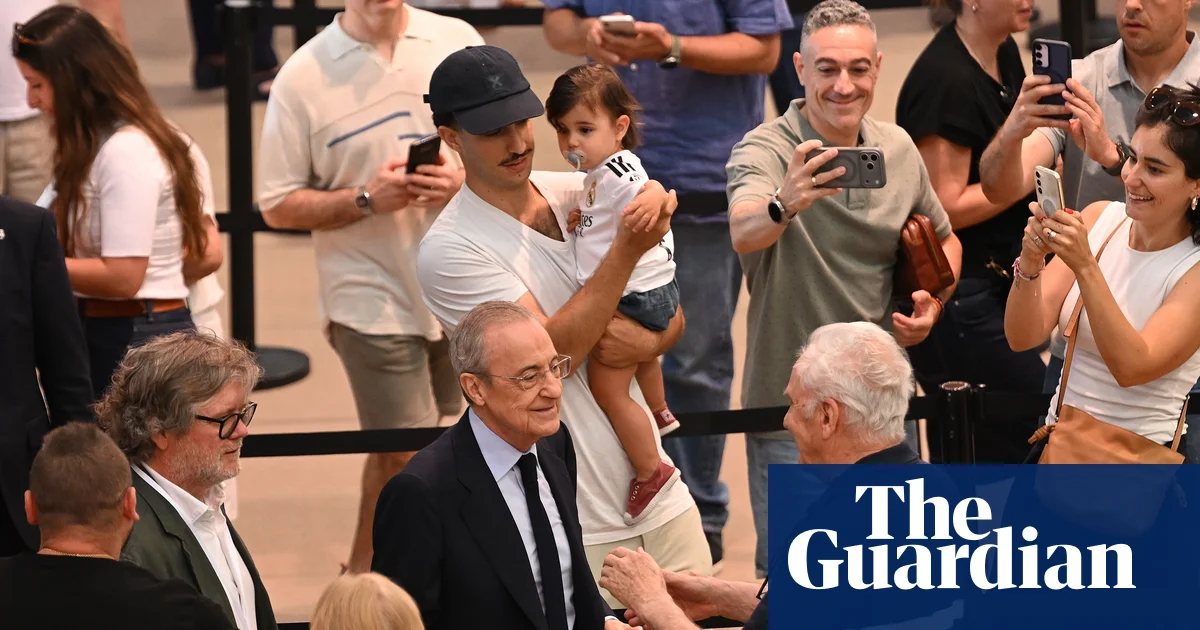
Florentino Pérez Secures Continued Leadership at Real Madrid
Florentino Pérez will remain president of Real Madrid following a landmark election victory—his first in two decades—facilitating plans to sell a 5% stake in the club. Pérez, who has led the organization for 23 years (first from 2000 to 2006 and again from 2009 onwards), won his past five elections unopposed, garnering 65% of the votes cast. His challenger, 37-year-old Enrique Riquelme, received 35% support after 33,555 members participated in the voting process. Results were delayed as Riquelme contested the validity of nearly 1,000 postal votes, with over 400 ultimately deemed invalid.
Management Changes Set in Motion
This victory sets the stage for the official announcement of José Mourinho as the new manager on Monday, following Real Madrid’s agreement to pay Benfica a €15 million release fee. Pérez also committed to a minimum bid of €150 million for an unnamed Galactico, rumored to be Michael Oliseh. In response, Riquelme has named Raúl González Blanco as sporting director and expressed intentions to recruit Jürgen Klopp as manager, along with pursuing signings of Erling Haaland and Rodri.
Implications for Club Leadership and Strategy
Pérez’s triumph guarantees him another five-year term, allowing him to implement significant structural changes within the club. His narrow margin of victory, however, contrasts sharply with expectations of a landslide win. Under Pérez’s leadership, Real Madrid claimed seven European Cups, establishing itself as the wealthiest football club globally, yet his administration faced unexpected opposition this time.
The Challenge Ahead for Enrique Riquelme
For Riquelme, this electoral contest signifies a personal victory, albeit a bittersweet one. Initially caught off guard by Pérez’s snap election call, Riquelme was compelled to gather candidates quickly while remaining relatively unknown. Although he had considered a presidential bid in 2021, he ultimately chose not to run, viewing this election as a potential stepping stone toward future leadership. Fighting against Pérez’s approach to what he termed the “privatization” of the club, Riquelme questioned whether this would be Madrid’s last election under the current regime.
Surprise Election Dynamics
The announcement of the election prompted little immediate concern regarding Pérez’s authority. Riquelme was still a newcomer to many, an energy billionaire from Alicante with interests in Mexico. While Pérez avoided directly naming him during his press conference, his mention of an opponent “with a South American accent” inadvertently raised Riquelme’s profile. The timeline Pérez established for candidate submissions notably constrained Riquelme’s efforts, complicating his campaign.
Campaign Focus on Club’s Future
The two-week election campaign was unprecedented, marked by debates over Pérez’s proposed changes to a club model entrenched since its 1902 inception. He framed his vision as protective of fan ownership, suggesting that quantifying memberships would enhance the club’s valuation. Riquelme countered by likening Pérez’s administration to a “feudal monarchy,” criticizing the increasing influence of banker Anas Laglali within the organization. Pérez’s challenges extended beyond governance, affecting club infrastructure efforts and high-profile concert plans that have been derailed.
Footballing Aspirations in Focus
As election tensions escalated, the topic of football became paramount, with promises of signings gaining prominence. Pérez delayed officially announcing Mourinho’s hiring to prevent overshadowing the election, although it was widely known he would take the helm. Additionally, signings of Denzel Dumfries and Ibrahima Konaté have been confirmed under Pérez’s administration. Riquelme named additional football icons like Raúl, Fernando Hierro, Iker Casillas, and Vicente del Bosque as part of his prospective leadership team, pledging to sign major talents while denying rumors surrounding Haaland and Klopp.
