


This article is part of the Guardian’s expert network for the 2026 World Cup—a collaboration among leading news organizations from the 48 qualified nations. Daily previews are being published from three countries as the tournament approaches, starting June 11th.
Algeria’s World Cup Ambitions
Algeria presents one of the intriguing enigmas of the upcoming World Cup. On paper, the team boasts an impressive track record, having achieved 21 wins, four draws, and three losses in their last 28 matches under coach Vladimir Petkovic, amassing 67 points. However, this performance has largely been against less competitive opponents. Their qualifying campaign appeared straightforward, with Guinea and Mozambique being the most formidable challengers—but both nations are generally regarded as third-tier teams in Africa.
A more accurate reflection of Algeria’s capabilities emerged during the 2025 African Cup of Nations, where the team showcased captivating football. Under coach Phenex, they employed varied formations, including a classic flat four and a reinforced defense with five players. They also explored a 4-3-3 setup, featuring full-backs Rayan Ait Nouri and Jaouen Hajam. The team’s pressing style, dominance in possession, and seamless play from goal kicks demonstrated their tactical development.
Coaching Transition and Challenges
Following Algeria’s disappointing exit from the 2023 African Cup of Nations, Djamel Belmadi, who guided the team to victory in 2019, was dismissed and replaced by Vladimir Petkovic. This change sparked significant division among fans. Little was known about Petkovic initially, aside from his high salary. Hailing from Sarajevo and later relocating to Switzerland, he managed to navigate the challenging waters during his first months by building rapport with fans and players alike. However, some have criticized his lack of charisma. A recognized silver lining, however, is the supportive presence of his assistants, Davide Morandi and physiotherapist Paolo Longoni, both of whom enjoy a solid reputation within the Algerian football community.
Key Player to Watch
Riyad Mahrez remains a pivotal figure for Algeria at 35 years old. The 2016 PFA Player of the Year will captain the team, though he can no longer endure a full 90 minutes. During the 2025 Nations Cup, Mahrez was frequently substituted after an hour, giving way to younger talents like Feyenoord’s Anis Hadji Moussa. Despite this, Mahrez has the ability to create game-changing moments, particularly in the early stages of a match. His teammates hold him in high esteem, knowing they are playing alongside one of Algeria’s all-time greats.
Emerging Talent
Ibrahim Maza is an exciting prospect to keep an eye on. This 20-year-old attacking midfielder exemplifies modern football with his ability to navigate tight spaces and advance the ball skillfully. His agility and robust lower body provide an edge in overcoming challenges. The recognition of Maza’s talents has surged following his transition to Bayer Leverkusen, with many comparing him to Florian Wirtz. The World Cup stage represents an ideal opportunity for him to introduce his promising skills on a global platform.
Crucial Role of Hisham Boudaoui
While not the star of the squad, Hisham Boudaoui could prove to be among the most vital players for Algeria. In scenarios where team icons like Mahrez or Maza might falter, Boudaoui offers a unique asset—his relentless running. Playing a box-to-box role for Nice, he excels in breaking up opposition plays while also contributing offensively. With an average distance of 11 to 12 kilometers covered per match, he is expected to be instrumental in midfield battles.
Fan Engagement
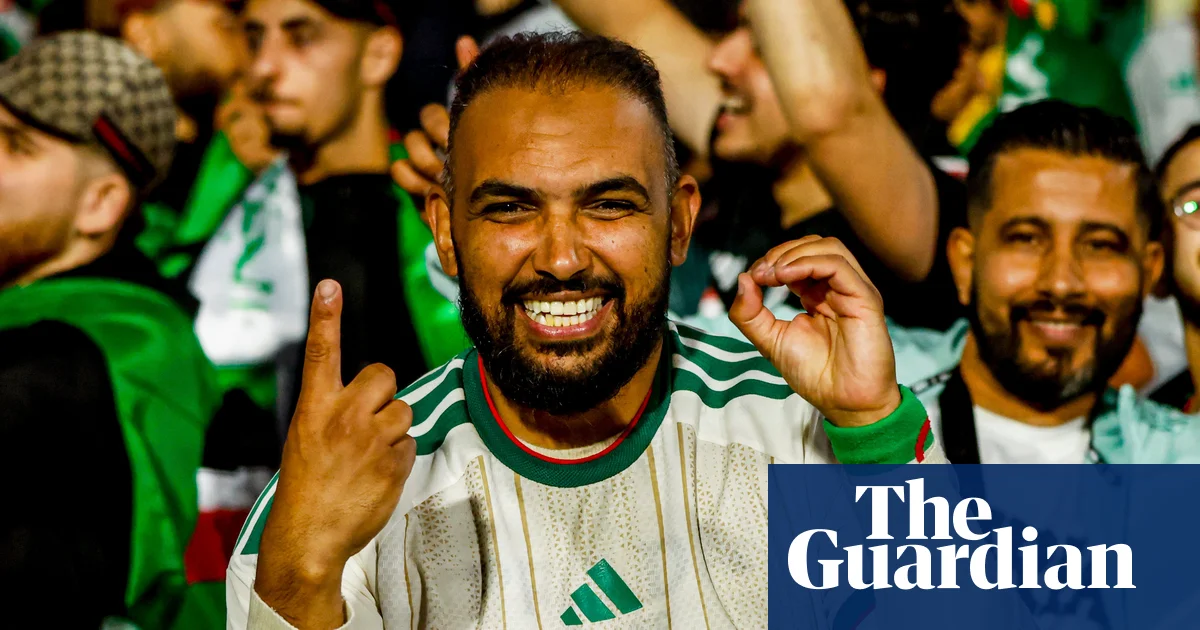
Most Algerian supporters attending the World Cup will hail from the North American or European diaspora. Equipped with darbukas (goblet drums) and trumpets, they are sure to create a vibrant atmosphere, particularly with their spirited rendition of “1,2,3, viva l’Algérie.” For many older fans, the final group stage match against Austria will be especially anticipated—an opportunity to seek redemption for past disappointments in the 1982 World Cup.
Algeria’s Diplomatic Dynamics with the U.S.
Historically, Algeria was a stronghold of the Non-Aligned Movement post-independence, maintaining ties with both Eastern and Western blocs during the Cold War. Currently, U.S.-Algerian relations have seen fluctuations, with cooperation increasing in energy and agriculture sectors. However, Algeria remains without a U.S. ambassador as pressures mount for it to support Morocco’s autonomy plans for Western Sahara. Additionally, Algerians seeking U.S. tourist visas have faced considerable obstacles, including a deposit requirement, though exceptions were made for those holding World Cup tickets. This has resulted in a low number of completed applications for travel to the tournament.
