


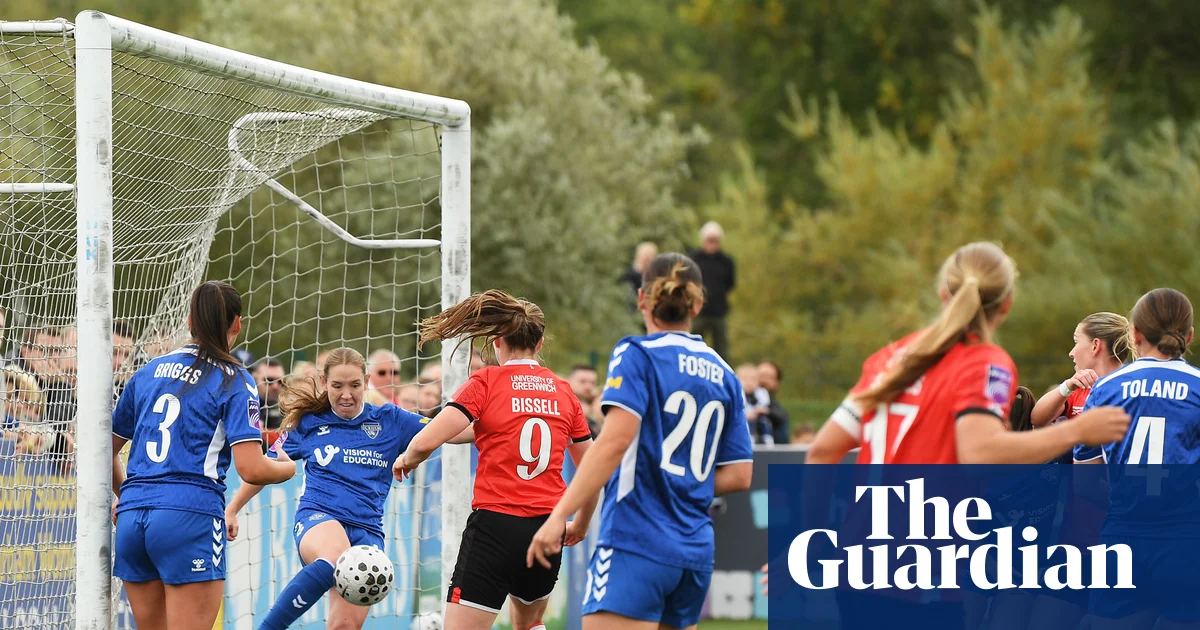
Urgent Funding Appeal from Durham Women’s Super League Two Club
Durham, a club competing in the Women’s Super League Two, has launched a desperate call for funding, warning that without new investments in the next 21 days, they may have to cease operations. The independently run club, which is not connected to a professional men’s team, has been a cornerstone of British women’s football for the past 12 years, yet its owners state they can no longer keep pace with the evolving landscape of the sport.
Failed Investment Talks Prompt Dire Warning
In a statement released on Monday afternoon, the club revealed that early discussions with potential investors had fallen through. They expressed that without additional financing, the club lacks the resources to operate the Barclays Women’s Super League 2 in a fully compliant manner for the 2026-27 season. This difficult news was communicated to both players and staff on the same day.
Previous Support and Ownership Structure
Just ahead of the 2024-25 season, the club had secured an investment from lottery winners Patrick and Francis Connolly, who purchased a 25% stake. The Connollys, long-time supporters from Hartlepool, have championed the club for years, even before their financial windfall in 2019. However, the club remains primarily owned by Lee Saunders and Dawn Hepple, who have dedicated two decades to nurturing women’s football in the region.
Immediate Financial Needs Highlighted
The club’s immediate need involves securing a short-term cash infusion to address the increased costs associated with joining WSL2. This need arose from heightened minimum licensing requirements, implemented since the league transitioned to independent management by WSL Football, separate from the Football Association.
Ongoing Negotiations and the Path Forward
According to the club’s recent statement, Durham Women’s Football Club is actively seeking investment offers or potential takeover bids. Although they have been in prolonged discussions with investors for several months, these negotiations have recently stalled. Without fresh capital, the club will struggle to maintain compliance with necessary operational standards for the upcoming season.
Historical Significance and Legacy
The club has informed its players and staff that if no buyer or investor is identified within the next three weeks, it will have no choice but to cease operations entirely. Established in 2007 as an under-10 girls’ grassroots team, Durham has experienced rapid expansion and success, with many original team members still playing at the professional level today.
The Financial Challenges Facing Women’s Football
This unsettling news comes in the wake of similar challenges faced by Third Division side Plymouth, which recently implemented significant budget cuts to their women’s team shortly after falling short of promotion to the Second Division. The situation serves as a stark reminder of the financial vulnerabilities that persist within women’s football.
While Durham finished fourth in WSL2 in 2025, their performance this season saw them drop to tenth place, highlighting the growing difficulties in securing both on-field success and financial stability in the increasingly competitive landscape of women’s sports.
