


Nvidia CEO Declines to Testify at Senate Hearing on AI Development
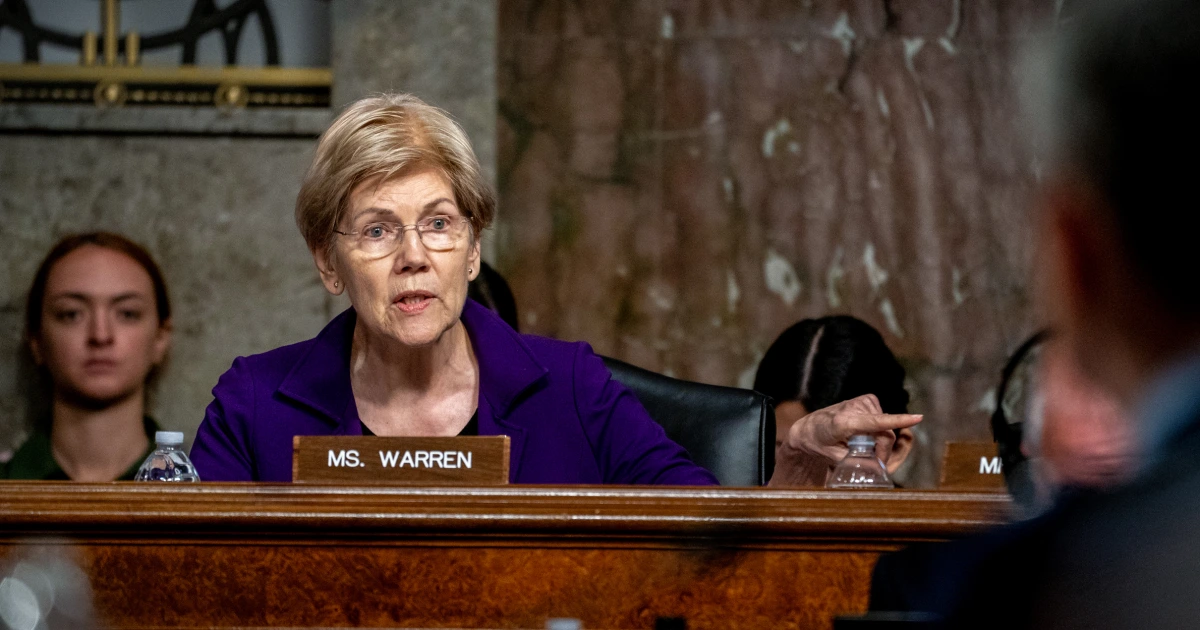
Jensen Huang, the CEO of Nvidia, has rejected an invitation from Massachusetts Senator Elizabeth Warren to testify about AI development in the United States at an upcoming Senate committee hearing, as reported by NBC News.
Senate Hearing to Focus on AI’s Role in Innovation
The Senate Banking, Housing, and Urban Affairs Committee is set to convene on Thursday to explore AI’s impact on innovation, affordability, and America’s technological edge. Senator Warren specifically invited Huang to discuss Nvidia’s operations in China and the company’s compliance with export regulations governing U.S. AI technology sales abroad.
Warren Questions Huang’s Priorities
“Nvidia occupies a pivotal position in the pressing issues confronting our nation: artificial intelligence, economic competition, and national security,” Warren stated regarding Huang’s decision to skip the hearing. She emphasized that if Huang can attend a high-profile dinner for $1 million per person at Mar-a-Lago and meet with Chinese President Xi Jinping, he should also be available to address concerns from Congress.
Nvidia: A Leader in AI Technology
Nvidia stands as the world’s most valuable company, boasting a market capitalization exceeding $5 trillion. The firm is at the forefront of designing the most sophisticated chips and hardware that drive today’s AI systems, showcasing significant contributions to the tech landscape.
Response from Huang on Missing the Hearing
In a letter acquired by NBC News, Huang acknowledged the importance of the committee’s focus on crucial issues but declined to attend the hearing. He expressed confidence in America’s leadership in AI technology but emphasized the need for continuous vigilance in maintaining that status.
Invitation to Discuss AI Ecosystem
Huang extended an invitation to Senator Warren and committee members to visit Nvidia’s headquarters in Santa Clara. He offered to engage in discussions about the company’s technology, the broader American AI ecosystem, and how Nvidia could further support U.S. global leadership in the field.
Concerns Over AI Technologies and Export Controls
Huang, who served on President Donald Trump’s Science and Technology Advisory Council, has continually advocated for more permissive export regulations for Nvidia chips. Critics, including Warren, warn that such lobbying could empower China’s military capabilities and compromise U.S. technological dominance. Recently, the Commerce Department took action to rectify an export control loophole that may have inadvertently enabled companies like Nvidia to ship advanced AI chips to restricted countries.
Legislative Developments Around AI Chips
The ongoing debate surrounding export controls for U.S.-developed AI technologies reflects a complex challenge for policymakers. While some argue that exporting American chips is essential for fostering innovation and maintaining competitiveness, others contend that the powerful capabilities of these chips necessitate stringent export restrictions to prevent potential military applications by foreign adversaries. Current congressional discussions include bills aiming to tighten sales of chips and related manufacturing equipment to China and other U.S. rivals.
Expert Panel to Discuss Export Controls
During Thursday’s Senate Banking Committee session, a panel featuring experts from think tanks and advocacy groups will weigh in on U.S. AI export policies. Scheduled participants include Mike Flynn from the Information Technology Industry Council, David Faith from the Hudson Institute, Will Reinhart from the American Enterprise Institute, and Dr. Sarah Myers West of the AI Now Institute.
