


Capitol Reacts to Trump’s Controversial Fund Proposal
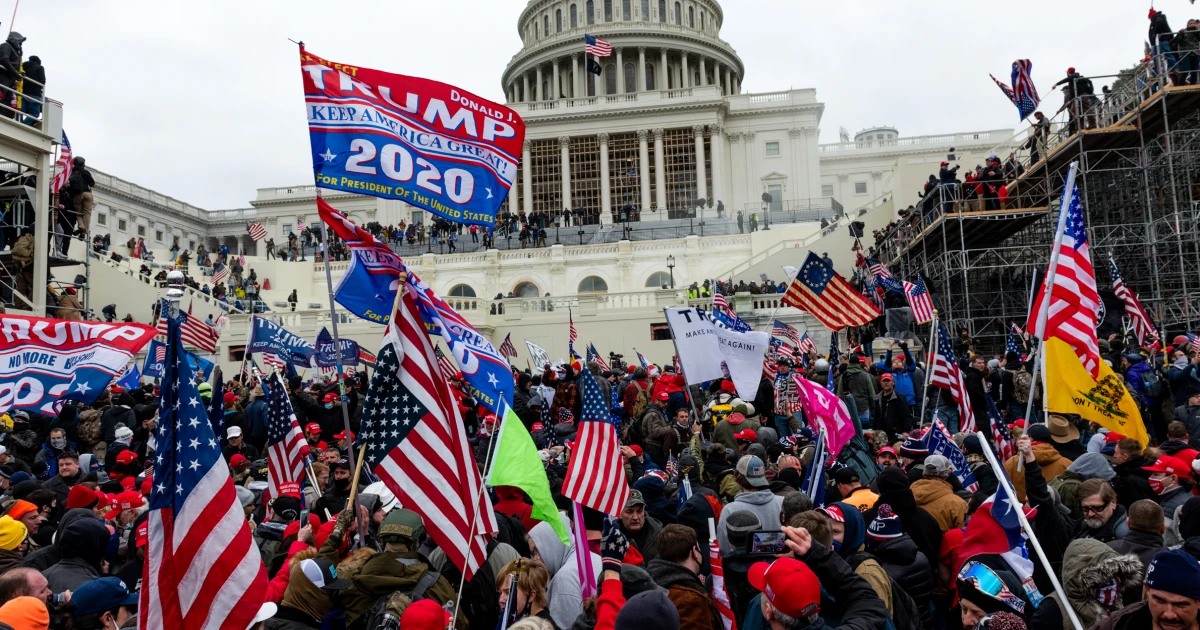
During a recent appearance on NBC News’ “Meet the Press,” President Donald Trump faced significant bipartisan criticism for his proposal to create an “anti-weaponization” fund. Lawmakers condemned the idea of using taxpayer money to support individuals who participated in the violent January 6 assault on the Capitol, highlighting concerns about the implications for law enforcement and the integrity of civil rights protections.
Senator Josh Hawley (R-Missouri) expressed his disapproval of the fund, stating that it should benefit individuals whose constitutional rights have been violated, rather than those who have infringed upon the rights of others. “If you were convicted of assaulting a police officer…that doesn’t sound like people who are victims to me,” he remarked. This sentiment was echoed by many, reflecting a growing unease over the potential misuse of federal resources.
In a proactive move, Senator Adam Schiff (D-California) announced plans to introduce legislation aimed at preventing anyone convicted of crimes related to the January 6 attacks from receiving federal funds connected to the event. “While the attorney general has maintained that he is not going to move forward with providing slush funds to the criminals of January 6, the president still wants them to receive the money,” Schiff said. This legislative effort seeks to eliminate any pathways that could allow convicted individuals to access taxpayer resources.
Addressing the controversy surrounding the fund, which has reportedly been suspended due to bipartisan backlash, Trump maintained on NBC that the individuals who stormed the Capitol have been unfairly targeted and deserve compensation. When questioned about excluding payments for those convicted of assaulting police officers, Trump did not provide a definitive answer, suggesting that allegations of FBI incitement during the insurrection warrant further investigation.
The matter of the “anti-weaponization” fund is anticipated to arise during the Senate confirmation hearings for Todd Blanche, President Trump’s nominee for attorney general. Blanche has assured lawmakers that the contentious $1.8 billion fund is no longer in play following significant pushback from Republican senators. As Blanche navigates these complex dynamics, concerns about his role as both the president’s former personal lawyer and the chief legal officer of the United States remain pivotal.
Senator Bill Cassidy (R-Louisiana), who has been vocal in his criticism of Trump since losing a primary earlier this year, emphasized the importance of understanding Blanche’s approach to the attorney general position. “We need to know whether Todd Blanche is the attorney general who used to be the president’s personal lawyer, or whether he happens to be the president’s personal lawyer who happens to be the attorney general,” Cassidy stated, underscoring the delicate balancing act required in this role.
Meanwhile, moderate voices like Representative Nick LaRota (R-New York) continue to push back against the fund, asserting that there is no congressional support for compensating those who commit crimes against law enforcement. “They shouldn’t take a dime from the government, especially when there’s video evidence,” LaRota argued, further compounding the skepticism surrounding the proposed fund.
Critics of Trump, including Senator Tim Kaine (D-Virginia), believe the ongoing discussion of the fund undermines efforts to maintain party unity, particularly as midterm elections approach. Kaine remarked on the discomfort among Republican lawmakers regarding the issue and posed an alarming question about why Trump continues to raise it: “I can’t think of an answer other than he doesn’t really care about the Republicans on the ballot.” This sentiment reflects the broader implications of Trump’s remarks, which may shape the landscape for candidates facing voters in the upcoming elections.
