


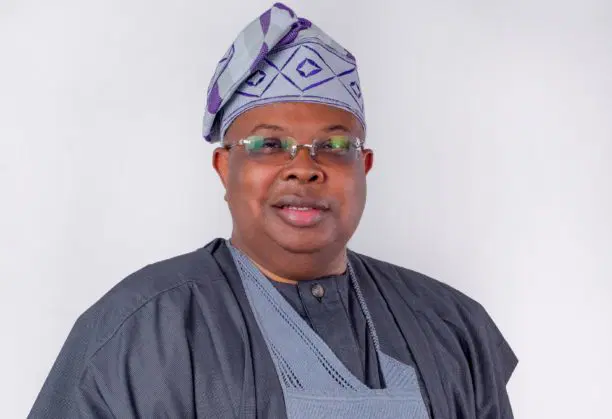
Nigeria’s New Minister of Power Focuses on Electricity Supply Improvements
Joseph Tegbe, recently appointed as Nigeria’s Minister of Power, has committed to enhancing electricity supply across the nation but tempered expectations regarding the immediate availability of 24-hour service. During his swearing-in ceremony in Abuja, he expressed confidence that ongoing reforms will bring positive changes in the power sector.
Tegbe emphasized realism in his expectations, stating, “I’m not promising a magic wand. I’m not promising 24/7 electricity. We’ll get there eventually.” He reassured Nigerians that tangible improvements are forthcoming, mentioning feedback collected in the past month indicating enhanced electricity supply in certain regions.
His appointment follows the resignation of Adebayo Adelabu, who stepped down to pursue political aspirations. On the same day, Sola Enikanolaye was installed as Minister of Foreign Affairs, succeeding Yusuf Tugal, who also resigned for similar reasons.
Chronic Challenges in Nigeria’s Electricity Sector
Despite substantial investments over the years in power generation infrastructure, Nigeria continues to grapple with persistent challenges. Low availability of power plants, constraints in gas supply, maintenance issues, transmission failures, and an aging grid are key factors hindering effective electricity delivery across the country.
Chronic electricity shortages have compelled households and businesses to rely on costly solar power systems and generators as alternatives. Recent hikes in fuel prices, exacerbated by geopolitical tensions involving the U.S. and Israel, have further strained budgets, making these alternatives increasingly unaffordable for Nigerians already enduring a rising cost-of-living crisis.
Government Investments and Recent Interventions
President Bola Tinubu hailed Tegbe, noting his extensive expertise in financial and institutional reform, as well as stakeholder engagement, amassed over 35 years in both public and private sectors. Tegbe acknowledged the enduring challenges within the power sector but assured that the government’s recent interventions are beginning to yield positive results.
He outlined that the Tinubu administration has made significant investments in the power sector over the past three years, with plans to commence additional projects aimed at benefiting vulnerable communities with improved electricity supply. He attributed reported improvements to heightened government support, the dedication of sector workers, and collaborative efforts with key stakeholders.
Engagement with Key Agencies in the Power Sector
Since his Senate confirmation, Tegbe has rigorously engaged with agencies such as the Transmission Company of Nigeria (TCN), the Rural Electrification Authority (REA), and the Nigeria Electricity Regulatory Commission (NERC), along with officials from the Federal Ministry of Power. He relayed that these interactions are integral to the reported improvements in power supply.
“They made a promise, and that’s what we’re seeing in the improvements today,” he remarked, expressing confidence in the potential for further advancements. He acknowledged the complexity of issues in this sector but assured that strategies are being developed to address these challenges.
Highlighting recent successes, he cited the rapid restoration of electricity in the Katampe area of Abuja within 24 hours following a power station failure, attributing this achievement to the diligence of sector workers. Additionally, he noted operational enhancements at the Niger Delta Power Holding Company as evidence of a shift toward improved performance in the sector.
